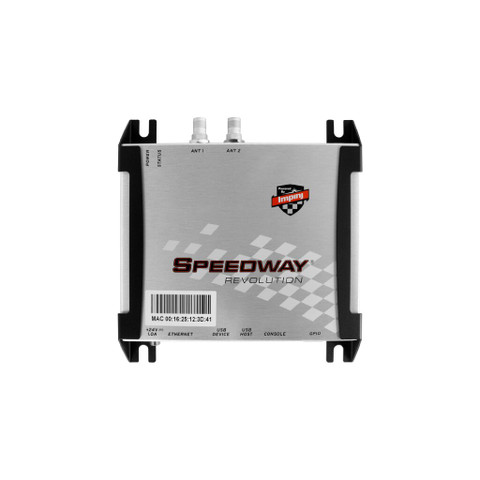
The Impinj R220 Speedway is a mid-tier 2-port fixed RFID reader operating on 860-960 MHz. It maxes out at 200 tags per second. See how it compares to modern Nextwaves alternatives.
Especificacións técnicas
Visión xeral do hardware
O Impinj R220 (Speedway) é un dispositivo RFID de grao industrial. Funciona dentro do rango de 860-960 MHz e admite o estándar EPCglobal UHF Class 1 Gen 2 / ISO 18000-6C, o que o fai amplamente despregado en aplicacións loxísticas empresariais.
Cunha clasificación IP de IP52, ofrece protección contra condicións ambientais específicas típicas en almacéns ou almacéns de venda polo miúdo. O lector utiliza PoE (IEEE 802.3af), +24Vdc AC Adapter para un rendemento continuo, mentres que a súa velocidade máxima de lectura declarada alcanza 200 tags/second.
Conectividade e integración de rede
Nas implementacións modernas, a integración da rede é o obstáculo máis importante. Este modelo ofrece Ethernet, RS-232, USB, GPIO opcións para transferir datos aos sistemas centrais.
Non obstante, un importante problema cos hardware Impinj herdados é a forte dependencia de SDKs propietarios (como LLRP) ou middleware de IoT de terceiros caros para procesar datos de etiquetas en bruto en información empresarial significativa.
A alternativa Nextwaves
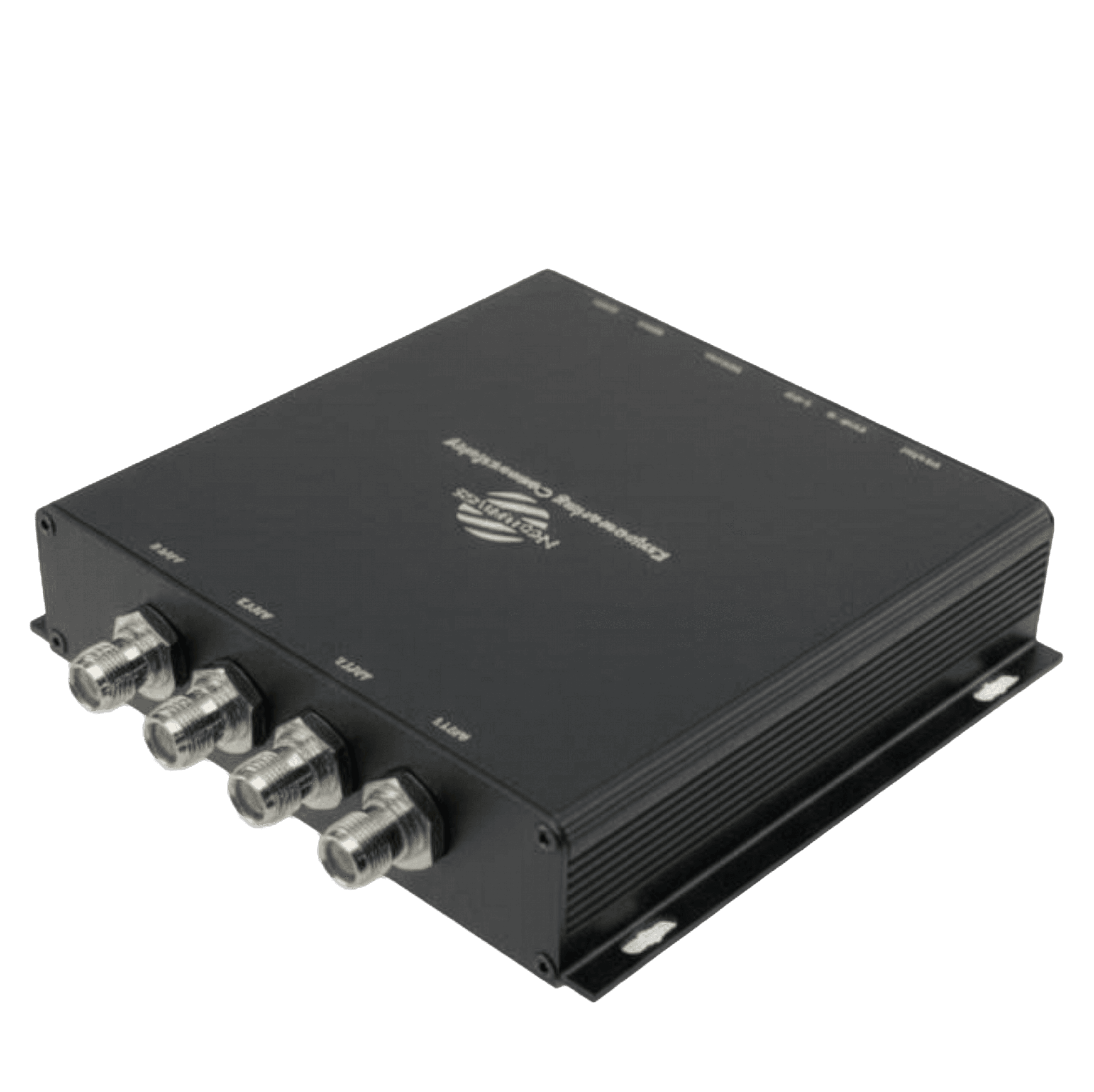
Se o seu equipo de enxeñaría está a avaliar o Impinj R220 (Speedway), o Nextwaves NR155 presenta unha arquitectura nativa da nube moito superior. Os sistemas herdados impulsan inherentemente un alto gasto de capital a través do bloqueo do provedor e os ecosistemas de software propietarios.
Nextwaves elimina completamente esta barreira proporcionando unha API REST MQTT estándar directamente no dispositivo. Os seus desenvolvedores de software poden integrar a lectura de etiquetas directamente no seu backend ERP ou WMS personalizado en días en lugar de meses, evitando por completo as taxas de licenza de middleware recorrentes.
Preguntas frecuentes
Que é o R220 (Speedway)?
The Impinj R220 Speedway is a 2-port fixed UHF RFID reader designed for small to medium-scale deployments. It utilizes Impinj's Autopilot technology to automatically optimize its performance based on environmental RF noise.
Canto custa esta configuración inicialmente?
The base reader typically retails around $800. Keep in mind this does not include the cost of external RP-TNC antennas, antenna cables, power supplies, or any required enterprise middleware software.
Por que debería escoller Nextwaves no seu lugar?
Nextwaves offers standard REST API and MQTT endpoints right on the device. Instead of wrestling with low-level LLRP commands or paying for expensive third-party middleware, your team can integrate RFID data directly into modern web stacks.
É o hardware o suficientemente duradeiro para os almacéns?
The R220 carries an IP52 rating. This means it offers protection against dust and vertically dripping water, but it is not fully weatherproof. It is best suited for indoor, climate-controlled environments like retail stores or clean warehouses.
Admite varios tipos de rede?
The reader provides standard 10/100BASE-T Ethernet and RS-232 serial ports. It also supports Power over Ethernet (PoE), which simplifies cabling by delivering both data and power over a single Cat5/Cat6 cable.
Pode o meu equipo instalar isto internamente?
Physical mounting is straightforward with standard brackets, but software integration typically requires developers familiar with the LLRP protocol or proprietary Impinj SDKs (Octane). It's not a plug-and-play solution for standard web developers.
Como funciona a xestión remota?
Network administrators typically manage the R220 through Impinj's ItemTest software or custom SNMP tools. Firmware updates and health monitoring must be handled via these specific interfaces.
Necesito software propietario para executalo?
While it supports LLRP, most enterprise deployments end up licensing specialized middleware to translate the raw RFID reads into meaningful business events to integrate with WMS or ERP systems.
Que garantía inclúe o lector?
Impinj provides a standard one-year hardware warranty. Extended service contracts are available for purchase but will increase your overall Total Cost of Ownership (TCO) across a fleet of devices.
As antenas véndense por separado?
Yes, the R220 requires external antennas. It features two monostatic RP-TNC antenna ports. Selecting the correct far-field or near-field antennas based on your specific use case is the hardest part of the physical setup.