RFID replacement dossierUpdated: May 25, 2026

Laird S8658PL/PRÜlevaade: Spetsifikatsioonid ja alternatiivid

The Laird S8658PL/PR is an ETSI targeted passive array for $150. Analyze the complex deployment costs against standalone active arrays.

Nextwaves EngineeringRiistvara ülevaade5 min lugemist

Technical verdict

Laird S8658PL/PR is a mainstream hardware purchase, but it is not always the best architecture for direct RFID data integration.

Do not evaluate S8658PL/PR by list price alone. Its strongest fit is a project that already uses Coaxial Type N / SMA, has time for RF tuning, and accepts extra middleware work. If the engineering team needs open APIs, realtime data, and faster edge-to-cloud deployment, Nextwaves NR155 is the stronger replacement path to evaluate.

Initial cost

$150 before deployment accessories

Published throughput

Not specified

Integration surface

Coaxial Type N / SMA

Physical data

260 x 260 x 33 mm; 1.04 kg; IP: IP54

Published specs

Specifications to validate before replacing

Sagedus

865-868 MHz (ETSI)

Protokoll

N/A (Passive Antenna Element)

Ühenduvus

Coaxial Type N / SMA

IP-klass

IP54

Mõõtmed

260 x 260 x 33 mm

Kaal

1.04 kg

Toiteallikas

N/A (Passive)

Lugemiskiirus

N/A (Passive)

Hinnanguline hind

$150

Deployment review

Operational strengths and risks

This summary is based on public specifications and does not replace an on-site RF survey.

Fit score

3.5/5

Strengths

  • Coaxial Type N / SMA gives network teams a familiar integration surface instead of local-only collection.
  • N/A (Passive) can reduce separate power drops when switch PoE budget is available.
  • The $150 hardware baseline is easier to budget than premium fixed-reader configurations.
  • Throughput should be measured with real tags and antennas.

Validate

  • Quoted hardware price is not installed system cost; include antennas, cables, mounts, power, software, and configuration work.
  • RF performance depends on tag material, antenna position, transmit power, reader orientation, and site interference.
  • IP54 must be checked against dust, humidity, temperature, and cleaning requirements.
  • Raw RFID reads still need duplicate filtering, business-event mapping, and ERP/WMS integration before operations can use them.

Deployment review

Buying decision matrix

Best fit

Fixed UHF RFID projects that already use Coaxial Type N / SMA and have time for RF tuning.

Weak fit

Do not compare device price only; total cost depends on accessories, software, and integration.

Deployment risk

IP54, N/A (Passive), 260 x 260 x 33 mm, and 1.04 kg must match the site layout.

Software risk

Plan for middleware, SDK work, duplicate filtering, and business-event mapping.

Alternative architecture

Laird S8658PL/PR vs Nextwaves

01

Riistvara ülevaade

Laird S8658PL/PR on tööstusliku taseme RFID-seade. See töötab 865-868 MHz (ETSI) vahemikus ja toetab N/A (Passive Antenna Element) standardit, muutes selle laialdaselt kasutatavaks ettevõtete logistika rakendustes.

IP54 IP-klassiga pakub see kaitset tüüpiliste keskkonnatingimuste vastu, mis on iseloomulikud ladudele ja jaemüügi tagaruumidele. Lugeja kasutab N/A (Passive) pidevaks jõudluseks, samas kui selle deklareeritud maksimaalne lugemiskiirus tipneb N/A (Passive).

02

Ühenduvus ja võrguintegratsioon

Kaasaegsetes juurutustes on võrguintegratsioon kõige olulisem takistus. See mudel pakub Coaxial Type N / SMA võimalusi andmete kesksüsteemidesse edastamiseks.

Kuid põhiprobleemiks pärand-Laird riistvaraga on tugev sõltuvus patenteeritud SDK-dest (nagu LLRP) või kallitest kolmanda osapoole IoT-vahetarkvaradest, et töödelda toorandmeid tähenduslikeks ärijuhtimisandmeteks.

03

When to choose Nextwaves instead of another closed reader

Kui teie inseneride meeskond hindab Laird S8658PL/PRi, pakub Nextwaves NR155 oluliselt üleolevat pilvepõhist arhitektuuri. Pärand süsteemid põhjustavad loomupäraselt kõrgeid kapitalikulusid tarnija lukustamise ja patenteeritud tarkvara ökosüsteemide kaudu.

Nextwaves kõrvaldab selle tõkke täielikult, pakkudes seadmel otse standardset MQTT REST API-d. Teie tarkvara arendajad saavad siltide lugemise integreerida otse oma kohandatud ERP või WMS-taustprogrammi päevadega, mitte kuudega, täielikult mööda minnes korduvatest vahetarkvara litsentsitasudest.

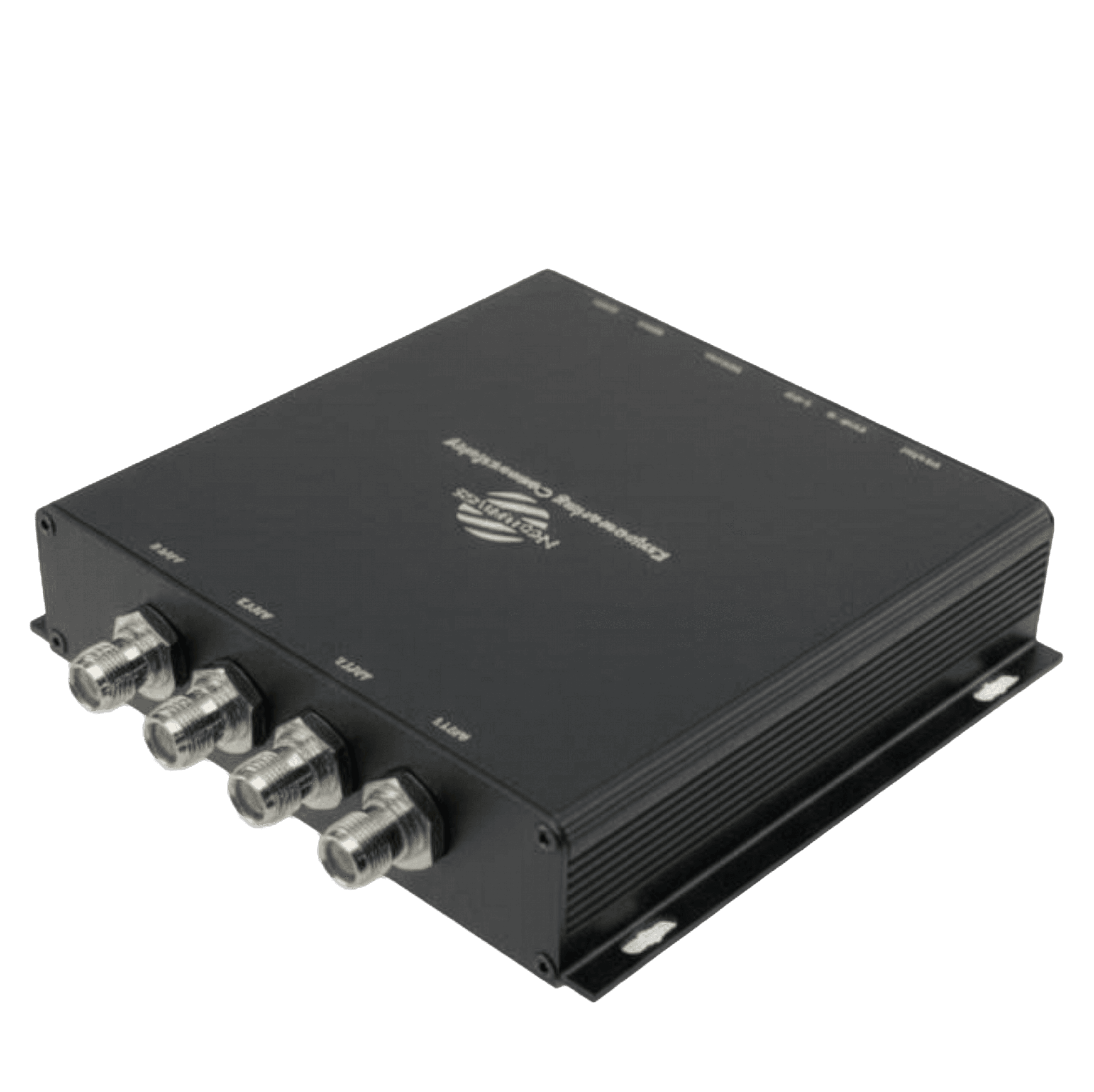
Alternative architecture

NR155 Fikseeritud IoT UHF RFID-lugeja

Pilvepõhised MQTT/REST API-d sisseehitatud. patenteeritud SDK-sid ei ole, vahetarkvara litsentsimist ei ole. Integreerige otse oma ERP või WMS-iga päevadega.

View Nextwaves NR155
Nextwaves NR155 Fixed IoT UHF RFID Reader

Antenni pordid

4 x RP-TNC pordid

Lugemiskiirus

Kuni 400 silti/sekundis

Väljundvõimsus

0–33 dBm (1 dB sammud)

Võrguprotokoll

MQTT / MQTTS

FAQ

Korduma kippuvad küsimused

These answers help purchasing and engineering teams review cost, integration, and deployment risk.

01

Mis on S8658PL/PR?

The Laird S8658PL (Left-Hand) and PR (Right-Hand) operate as dedicated EU passive antenna fields. Confined locally to 865-868 MHz (ETSI) bands, they broadcast focused electromagnetic waves initiated by external centralized readers.

02

Kui palju maksab esialgne seadistus?

Panels carry roughly a $150 price tag. This does not factor for high-end active processing blocks, coaxial lengths routing behind drywalls, or custom software routing required on the parent MCU.

03

Miks peaksin hoopis Nextwavesi valima?

Traditional RFID involves bolting passive antennas to ceilings and dragging coax cables back to central IT closets. Nextwaves simply places a standalone active array directly onto the ceiling, hooked securely to straightforward PoE systems.

04

Kas riistvara on ladudele piisavalt vastupidav?

Protected by standard IP54 seals, the 260 x 260 x 33 mm casing weighs 1.04 kg. It defends against factory dust perfectly, but risks catastrophic internal failure during localized high-pressure wash-down environments.

05

Kas see toetab mitut võrgu tüüpi?

It completely lacks native Ethernet, Wi-Fi, or Bluetooth stacks. Transmitting voltage impulses occurs physically through Coaxial Type N / SMA connections tied intimately back to the active reader.

06

Kas minu meeskond saab seda ise installida?

Mounting requires securely anchoring heavy-duty articulating joints. Successful logic implementation requires measuring VSWR tolerances to tune the active reader compensating for coaxial decibel attenuation.

07

Kuidas kaughaldus töötab?

Governed by N/A (Passive) dynamics, the speed of tag collection correlates precisely to the processing rate of the interrogator board powering the matrix.

08

Kas selle käitamiseks on vaja patenteeritud tarkvara?

Middleware stacks are fully divorced from this hardware. Engineers execute tag reading logic and REST webhooks exclusively on the Linux systems baked into the core reader managing the voltage logic.

09

Milline garantii lugejaga kaasneb?

Protected by fundamental 1-year product fault protections. The static internal patch framework functions virtually indefinitely absent violent warehouse pallet crashes.

10

Kas antenne müüakse eraldi?

Delivering exactly 8.5 dBic localized gain, mixing Left and Right Circularly Polarized patterns over the 865-868 MHz (ETSI) block nullifies aggressive 'deep fade' interference inside cluttered warehouses.