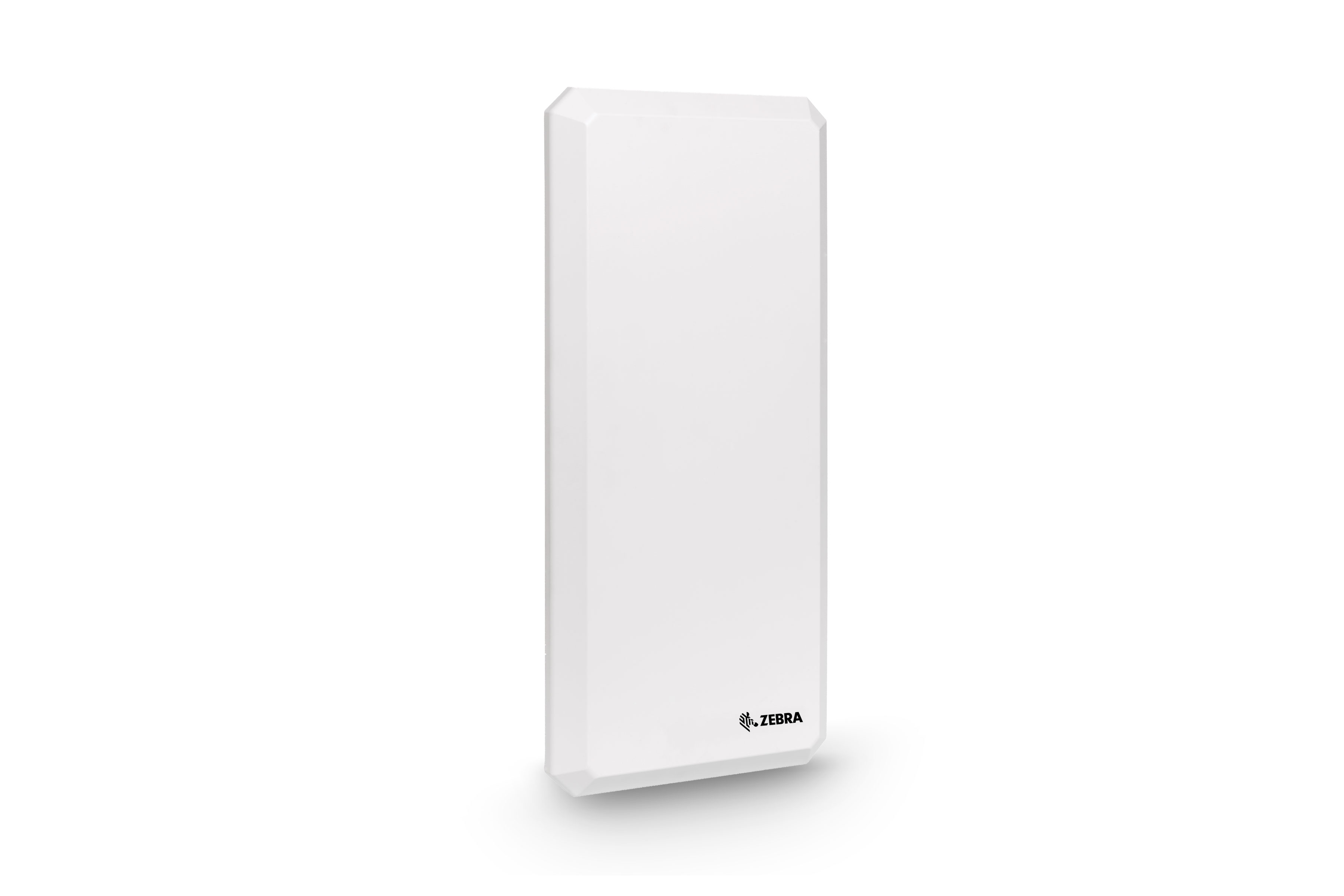
The Zebra AN440 is a massive 1.9 kg dual-element antenna for complex docks. Analyze its 571 x 251 mm footprint against sleek Nextwaves integrated designs.
Technical Specifications
Hardware Overview
The Zebra AN440 is an industrial-grade RFID device. It operates within the 902-928 MHz / 865-868 MHz range and supports the N/A (Passive Antenna Element) standard, making it widely deployed across enterprise logistics applications.
With an IP rating of IP67, it offers protection against specific environmental conditions typical in warehouses or retail backrooms. The reader utilizes N/A (Passive) for continuous performance, while its stated maximum read rate peaks at N/A (Passive).
Connectivity and Network Integration
In modern deployments, network integration is the most significant hurdle. This model offers Dual Type N Female options for transferring data back to central systems.
However, a major bottleneck with legacy Zebra hardware is the heavy reliance on proprietary SDKs (like LLRP) or expensive third-party IoT middleware to process raw tag data into meaningful business intelligence.
The Nextwaves Alternative
If your engineering team is evaluating the Zebra AN440, the Nextwaves NR155 presents a vastly superior cloud-native architecture. Legacy systems inherently drive high capital expenditure through vendor lock-in and proprietary software ecosystems.
Nextwaves completely eliminates this barrier by providing a standard MQTT REST API directly on the device. Your software developers can integrate tag reading directly into your custom ERP or WMS backend in days instead of months, completely bypassing recurring middleware licensing fees.
Frequently Asked Questions
What is the AN440?
The Zebra AN440 is a large, ruggedized dual-element RFID antenna designed for wide-area coverage and high-density dock doors. It broadcasts across 902-928 MHz / 865-868 MHz frequencies but processes no data natively, acting strictly as a passive element.
How much does this setup cost initially?
Pricing sits roughly at $300. This is purely for the antenna casing itself; deployments also mandate sourcing expensive coaxial N-Type junction cables, heavy gauge mounting poles, and a separate four-port enterprise RFID reader (like an FX9600).
Why should I choose Nextwaves instead?
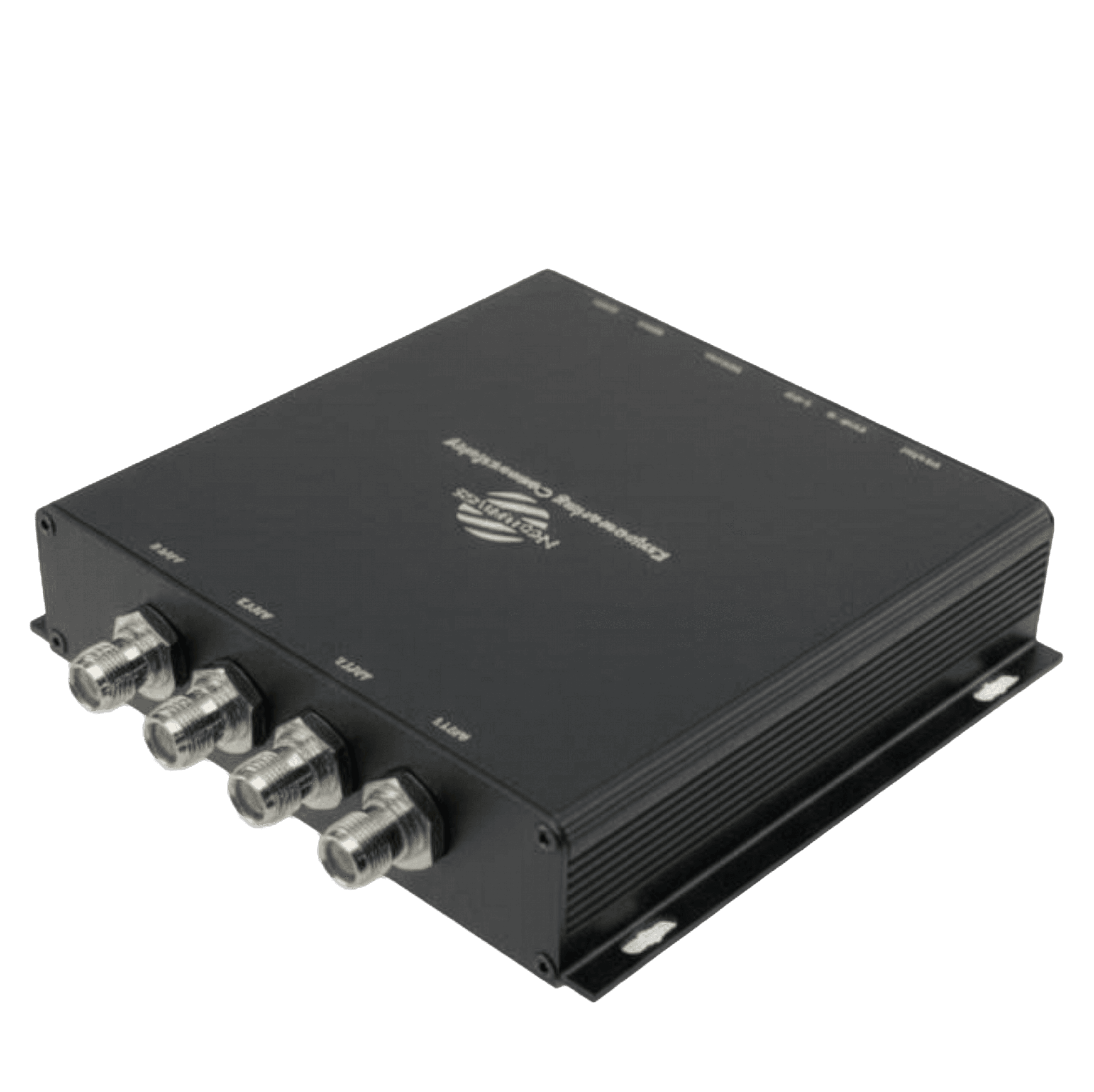
Building legacy portals involves routing heavy coaxial cables into switch boxes. Nextwaves supplies single-integrated reader/antenna slabs that plug directly into standard PoE networking switches, eliminating complex impedance tuning.
Is the hardware durable enough for warehouses?
The unit boasts an IP67 rating constructed out of UV-stable plastics and aluminum. Measuring an incredibly massive 571.5 x 251.4 x 39.8 mm and weighing 1.9 kg, it requires specialized, heavy-duty mounting hardware capable of withstanding industrial wind sheer.
Does it support multiple network types?
Data connectivity is completely irrelevant as this is merely a broadcast plate. The Dual Type N Female RF ports connect strictly to thick, heavily shielded RF cables linking backward to the central proprietary interrogator.
Can my team install this internally?
Technicians securely mount the heavy frame to bay doors using specialized articulating VESA arms. The installation requires fine impedance tuning using RF spectrum tools to negate line-loss experienced across the massive N-type cable runs.
How does the remote management work?
It possesses zero N/A (Passive) rating and requires zero firmware. The actual decoding speed is managed entirely by the centralized reader unit that pulses current into it.
Do I need proprietary software to run it?
Software integration does not apply to passive elements. Engineers must focus their backend coding efforts exclusively on the external reader module that sources energy outwards through the Dual Type N Female connectors.
What warranty comes with the reader?
Constructed for brutal outdoor logistics, its aluminum housing prevents weather degradation over significant lifespans. Warranties only protect against internal soldering breaks disconnected from physical impacts.
Are the antennas sold separately?
Generating enormous 9.0 dBic Dual-Circular polarization across the 902-928 MHz / 865-868 MHz bandwidths. Providing distinct dual ports, operators can configure complex bi-static (read/write separated) logic flows.