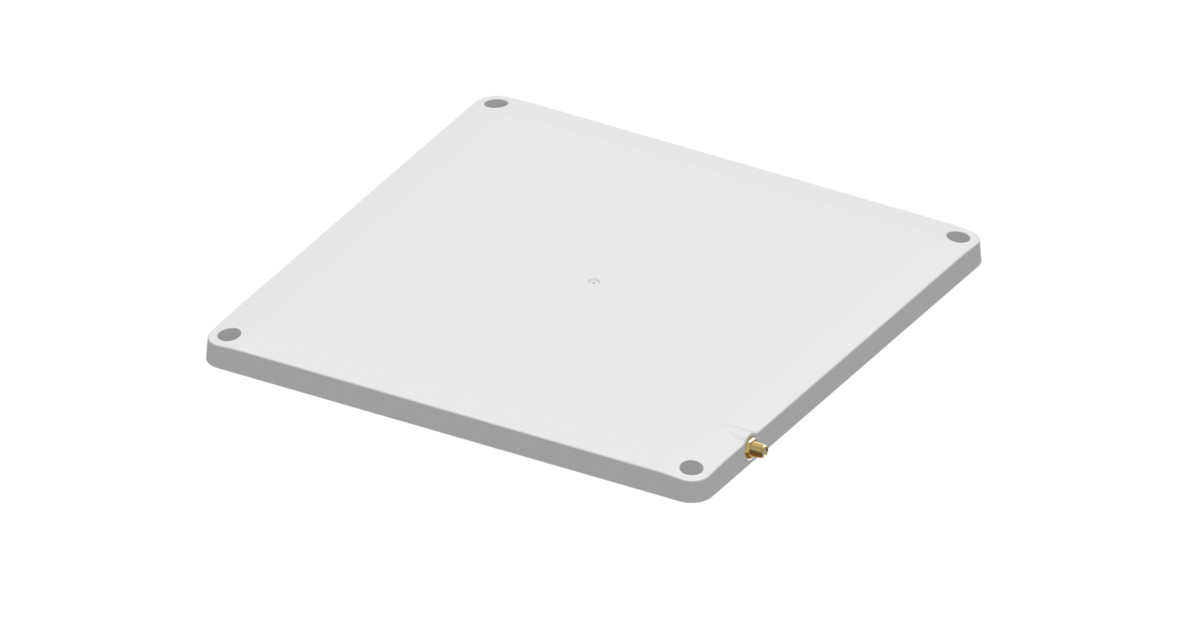
The Times-7 A5010 is a $200 slim profile passive antenna. Analyze its required coaxial cabling logistics against Nextwaves active integrated panels.
Technical Specifications
Hardware Overview
The Times-7 A5010 is an industrial-grade RFID device. It operates within the 864-868 MHz / 902-928 MHz range and supports the N/A (Passive Antenna Element) standard, making it widely deployed across enterprise logistics applications.
With an IP rating of IP67, it offers protection against specific environmental conditions typical in warehouses or retail backrooms. The reader utilizes N/A (Passive) for continuous performance, while its stated maximum read rate peaks at N/A (Passive).
Connectivity and Network Integration
In modern deployments, network integration is the most significant hurdle. This model offers SMA Female options for transferring data back to central systems.
However, a major bottleneck with legacy Times-7 hardware is the heavy reliance on proprietary SDKs (like LLRP) or expensive third-party IoT middleware to process raw tag data into meaningful business intelligence.
The Nextwaves Alternative
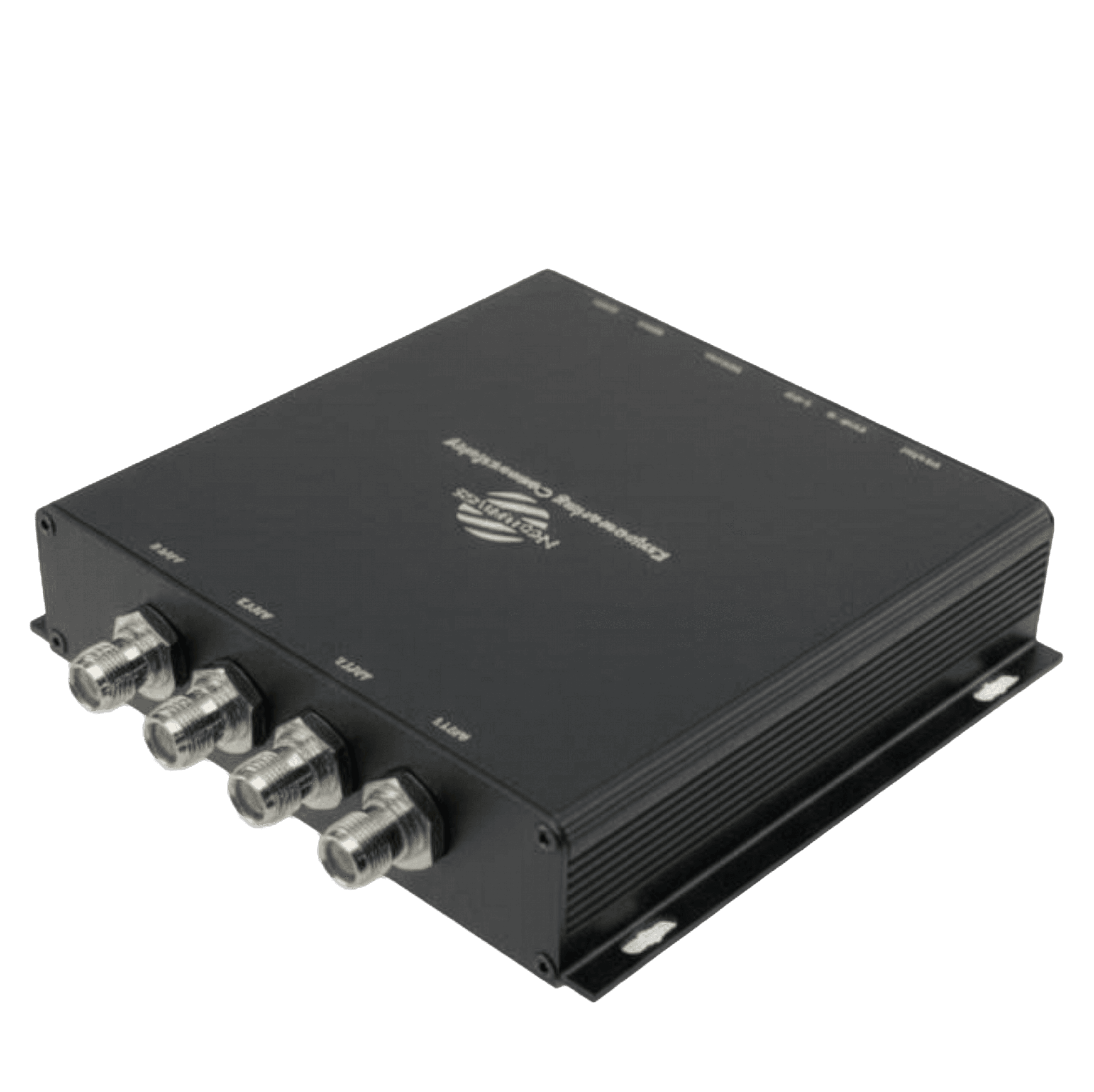
If your engineering team is evaluating the Times-7 A5010, the Nextwaves NR155 presents a vastly superior cloud-native architecture. Legacy systems inherently drive high capital expenditure through vendor lock-in and proprietary software ecosystems.
Nextwaves completely eliminates this barrier by providing a standard MQTT REST API directly on the device. Your software developers can integrate tag reading directly into your custom ERP or WMS backend in days instead of months, completely bypassing recurring middleware licensing fees.
Frequently Asked Questions
What is the A5010?
The Times-7 A5010 is an ultra-low profile linear/circular passive UHF antenna plate. Specifically tuned across the 864-868 MHz / 902-928 MHz band, it broadcasts energy outwards pushed from an external interrogator setup.
How much does this setup cost initially?
Base hardware units cost roughly $200. This does not factor in the requisite enterprise reader unit or the thick low-loss SMA coaxial cables required to link the panel into an active system.
Why should I choose Nextwaves instead?
Deploying distributed passive plates creates massive cable management challenges. Nextwaves solves this by housing the antenna, logic controller, and IP gateway inside a singular chassis driven simply by PoE.
Is the hardware durable enough for warehouses?
Enclosed in IP67 fire-retardant ABS plastic, it measures 250 x 250 x 14 mm while weighing a minimal 0.75 kg. It easily withstands damp logistics environments without failure.
Does it support multiple network types?
Networking is non-existent on the plate itself. Electrical continuity is managed entirely through its SMA Female RF input port connected back to a centralized reader block.
Can my team install this internally?
Installers screw the panel flush onto walls or ceiling trusses. Technicians must utilize VNA (Vector Network Analyzers) to ensure coaxial line impedance accurately matches the module output.
How does the remote management work?
Serving solely as an electromagnetic broadcast plate, it possesses a N/A (Passive) rating. High-speed decoding remains exclusively driven by the attached interrogator matrix.
Do I need proprietary software to run it?
Software teams do not interact with the plate. Data routing, REST integration, and buffer management are configured exclusively on the backend reader connected to the array.
What warranty comes with the reader?
Times-7 standard warranties cover manufacturing defects on the internal patch array. Assuming reasonable physical treatment, passive antennas reliably broadcast for decades.
Are the antennas sold separately?
Delivering up to 8.5 dBic circularly polarized gain over the 864-868 MHz / 902-928 MHz threshold, it excels in reading arbitrarily rotated tags traveling through high-speed conveyor belts.