
The Impinj xSpan Gateway is an integrated ceiling reader operating on 860-960 MHz, priced around $3000. See how its movement-tracking features compare to Nextwaves architectures.
Technical Specifications
Hardware Overview
The Impinj xSpan Gateway is an industrial-grade RFID device. It operates within the 860-960 MHz range and supports the RAIN RFID / ISO 18000-63, Gen2v2 standard, making it widely deployed across enterprise logistics applications.
With an IP rating of N/A, it offers protection against specific environmental conditions typical in warehouses or retail backrooms. The reader utilizes PoE, +24Vdc for continuous performance, while its stated maximum read rate peaks at N/A.
Connectivity and Network Integration
In modern deployments, network integration is the most significant hurdle. This model offers Ethernet, PoE/PoE+ options for transferring data back to central systems.
However, a major bottleneck with legacy Impinj hardware is the heavy reliance on proprietary SDKs (like LLRP) or expensive third-party IoT middleware to process raw tag data into meaningful business intelligence.
The Nextwaves Alternative
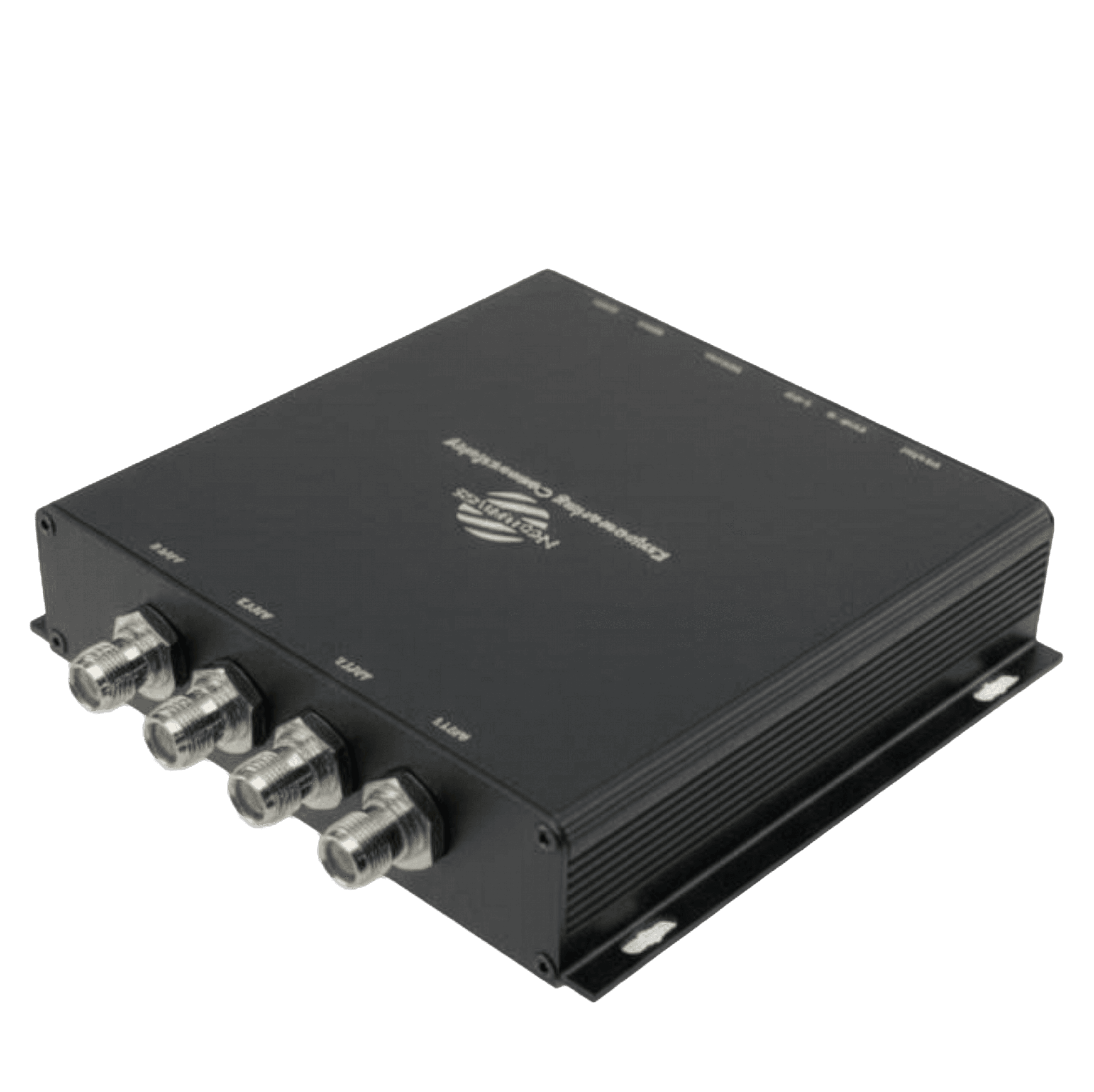
If your engineering team is evaluating the Impinj xSpan Gateway, the Nextwaves NR155 presents a vastly superior cloud-native architecture. Legacy systems inherently drive high capital expenditure through vendor lock-in and proprietary software ecosystems.
Nextwaves completely eliminates this barrier by providing a standard MQTT REST API directly on the device. Your software developers can integrate tag reading directly into your custom ERP or WMS backend in days instead of months, completely bypassing recurring middleware licensing fees.
Frequently Asked Questions
What is the xSpan Gateway?
The Impinj xSpan Gateway is an integrated transition reader designed for overhead mounting. Operating on the 860-960 MHz band, it natively supports the RAIN RFID / ISO 18000-63, Gen2v2 standard specifically for tracking movement through doorways or zones.
How much does this setup cost initially?
The base unit is generally priced around $3000. However, total deployment costs will vary significantly depending on enterprise middleware licensing and the specifics of your PoE, +24Vdc infrastructure.
Why should I choose Nextwaves instead?
Nextwaves provides embedded REST API and MQTT endpoints natively on the device. This allows software engineering teams to bypass expensive third-party IoT middleware and integrate RFID data directly into modern ERPs or custom routing backends.
Is the hardware durable enough for warehouses?
The device weighs approximately 2.7 kg and measures 476 x 220 x 88 mm. As a ceiling-mounted unit designed primarily for indoor facilities, its environmental rating (N/A) means it should not be exposed to outdoor precipitation or heavy industrial dust.
Does it support multiple network types?
Network integration is handled via its Ethernet, PoE/PoE+ interfaces. Standard enterprise security protocols can be applied over these connections, though dedicated IoT VLANs are often recommended for deployment.
Can my team install this internally?
Physical mounting utilizes standard overhead brackets. However, optimizing RF performance requires trained technicians to properly tune the phase arrays against your environment's multipath interference.
How does the remote management work?
Remote device management and firmware updates are handled through Impinj's ItemSense software or custom Octane SDK scripts.
Do I need proprietary software to run it?
Most legacy systems require an intermediate middleware layer (such as LLRP translation servers) to feed data from the Ethernet, PoE/PoE+ ports into web applications. This adds both complexity and recurring licensing costs.
What warranty comes with the reader?
The manufacturer typically provides a standard one-year hardware warranty. Extended enterprise support contracts and SLAs are generally available for purchase through authorized resellers.
Are the antennas sold separately?
Unlike traditional fixed readers, the xSpan Gateway features integrated phase-array antennas designed to detect the direction of tag movement. Tuning this configuration across the 860-960 MHz spectrum is critical to achieving reliable transition events.