The C66 is an Android 11 sled/terminal operating on EPC Gen2 bands. View its ruggedized specs ($700 MSRP) against modern alternative hardware architectures.
Technical Specifications
Hardware Overview
The Chainway C66 is an industrial-grade RFID device. It operates within the 865-868 MHz / 920-925 MHz / 902-928 MHz range and supports the EPC C1 Gen2, ISO 18000-6C standard, making it widely deployed across enterprise logistics applications.
With an IP rating of IP65, it offers protection against specific environmental conditions typical in warehouses or retail backrooms. The reader utilizes 4420/5200 mAh + pistol battery for continuous performance, while its stated maximum read rate peaks at ~900 tags/sec.
Connectivity and Network Integration
In modern deployments, network integration is the most significant hurdle. This model offers Wi-Fi, BT 5.1, 4G options for transferring data back to central systems.
However, a major bottleneck with legacy Chainway hardware is the heavy reliance on proprietary SDKs (like LLRP) or expensive third-party IoT middleware to process raw tag data into meaningful business intelligence.
The Nextwaves Alternative
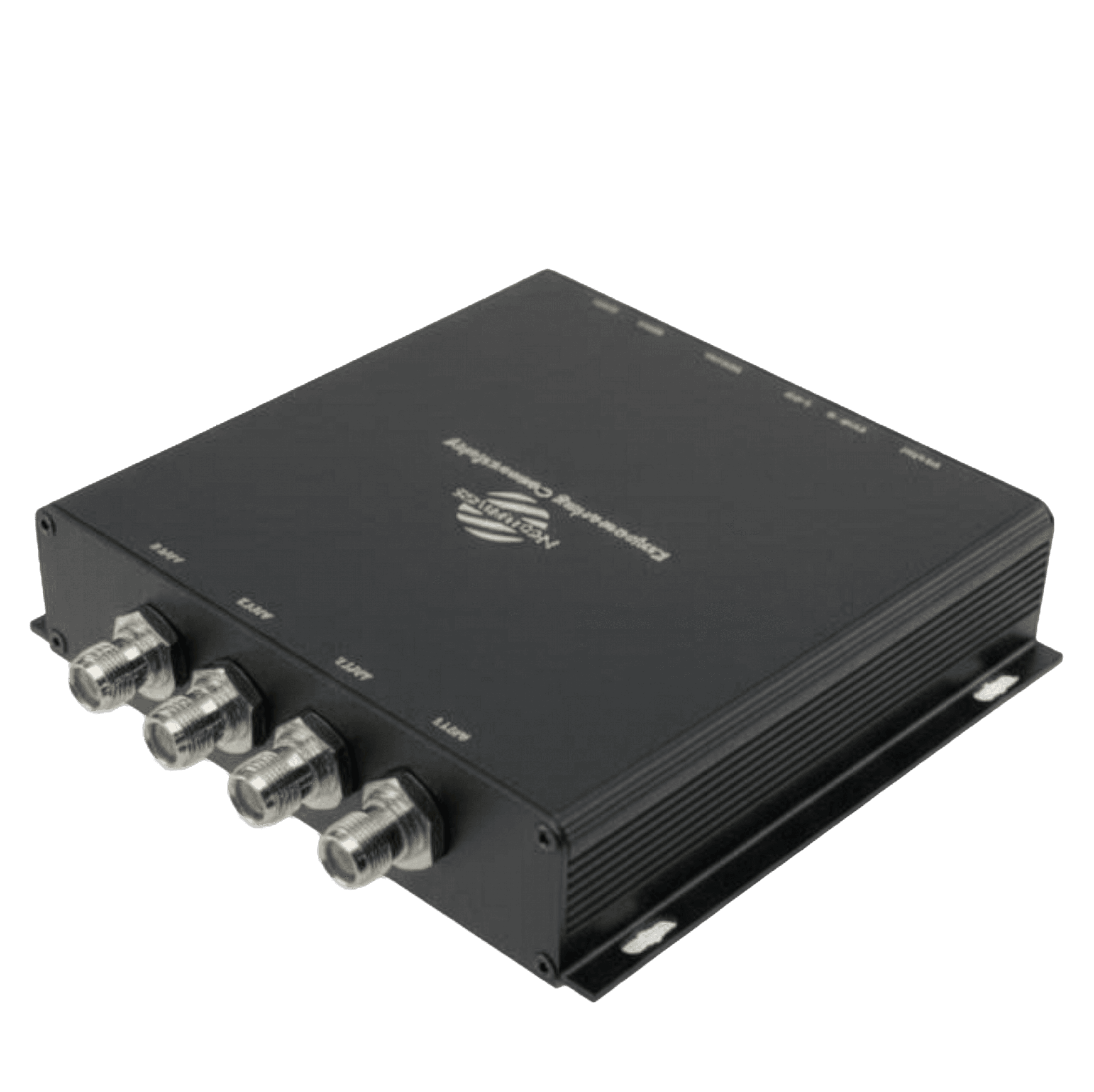
If your engineering team is evaluating the Chainway C66, the Nextwaves NR155 presents a vastly superior cloud-native architecture. Legacy systems inherently drive high capital expenditure through vendor lock-in and proprietary software ecosystems.
Nextwaves completely eliminates this barrier by providing a standard MQTT REST API directly on the device. Your software developers can integrate tag reading directly into your custom ERP or WMS backend in days instead of months, completely bypassing recurring middleware licensing fees.
Frequently Asked Questions
What is the C66?
The Chainway C66 is a split-design mobile handheld RFID terminal based on Android. It supports the EPC C1 Gen2, ISO 18000-6C standard over the 865-868 MHz / 920-925 MHz / 902-928 MHz band, enabling roaming inventory sweeps and logistics tracking.
How much does this setup cost initially?
Units typically retail around $700. Operational budgets must also account for the UHF sled attachment, charging cradles, spare 4420/5200 mAh + pistol battery modules, and Mobile Device Management (MDM) licenses.
Why should I choose Nextwaves instead?
Nextwaves provides embedded cloud integration directly on the device. By supporting open protocols natively, mobile operators can push tag data straight into backend databases without writing custom Android bridging apps.
Is the hardware durable enough for warehouses?
The smartphone chassis with the attached UHF pistol grip weighs roughly 657 g (with battery, pistol) and measures 160 x 76 x 15.5 mm (excluding the antenna). With an IP65 rating, it is built to survive warehouse drops, dust, and outdoor conditions.
Does it support multiple network types?
Network access relies on its cellular and Wi-Fi, BT 5.1, 4G radios. Enterprise 4G networks or internal corporate LAN security profiles can be configured to protect API payload data during wireless transmission.
Can my team install this internally?
Configuration demands staging the Android environment. Software engineers must properly provision the internal app permissions and specify correct EPC memory bank read masks for your inventory workflow.
How does the remote management work?
The mobile interrogator typically supports ~900 tags/sec under ideal sweeping. Centralized device tracking, battery health monitoring, and enterprise application deployments are handled via compliant MDM solutions.
Do I need proprietary software to run it?
Most enterprise deployments require custom Android applications built using the Chainway SDK to filter noisy reads from the Wi-Fi, BT 5.1, 4G interfaces before transacting them via JSON to your cloud CRM.
What warranty comes with the reader?
The device is backed by a standard one-year warranty covering manufacturer defects. Heavy-duty protective maintenance agreements are highly recommended for portable scanning hardware.
Are the antennas sold separately?
This model integrates a circularly polarized antenna panel mounted within the pistol grip, tuned for the 865-868 MHz / 920-925 MHz / 902-928 MHz bands. The operator's wrist angle determines total capture efficiency.