The ALR-F800 is a globally compliant EPC Gen 2 reader with PoE support. Starting at $1200, see how it integrates with enterprise environments and alternatives.
Technical Specifications
Hardware Overview
The Alien Technology ALR-F800 is an industrial-grade RFID device. It operates within the 902.75-927.25 MHz (FCC) / 865.7-867.5 MHz (ETSI) range and supports the EPC Gen 2, ISO 18000-6C standard, making it widely deployed across enterprise logistics applications.
With an IP rating of IP53, it offers protection against specific environmental conditions typical in warehouses or retail backrooms. The reader utilizes PoE or AC-DC 100-240 VAC for continuous performance, while its stated maximum read rate peaks at N/A.
Connectivity and Network Integration
In modern deployments, network integration is the most significant hurdle. This model offers LAN TCP/IP, RS-232, USB Host, USB Console options for transferring data back to central systems.
However, a major bottleneck with legacy Alien Technology hardware is the heavy reliance on proprietary SDKs (like LLRP) or expensive third-party IoT middleware to process raw tag data into meaningful business intelligence.
The Nextwaves Alternative
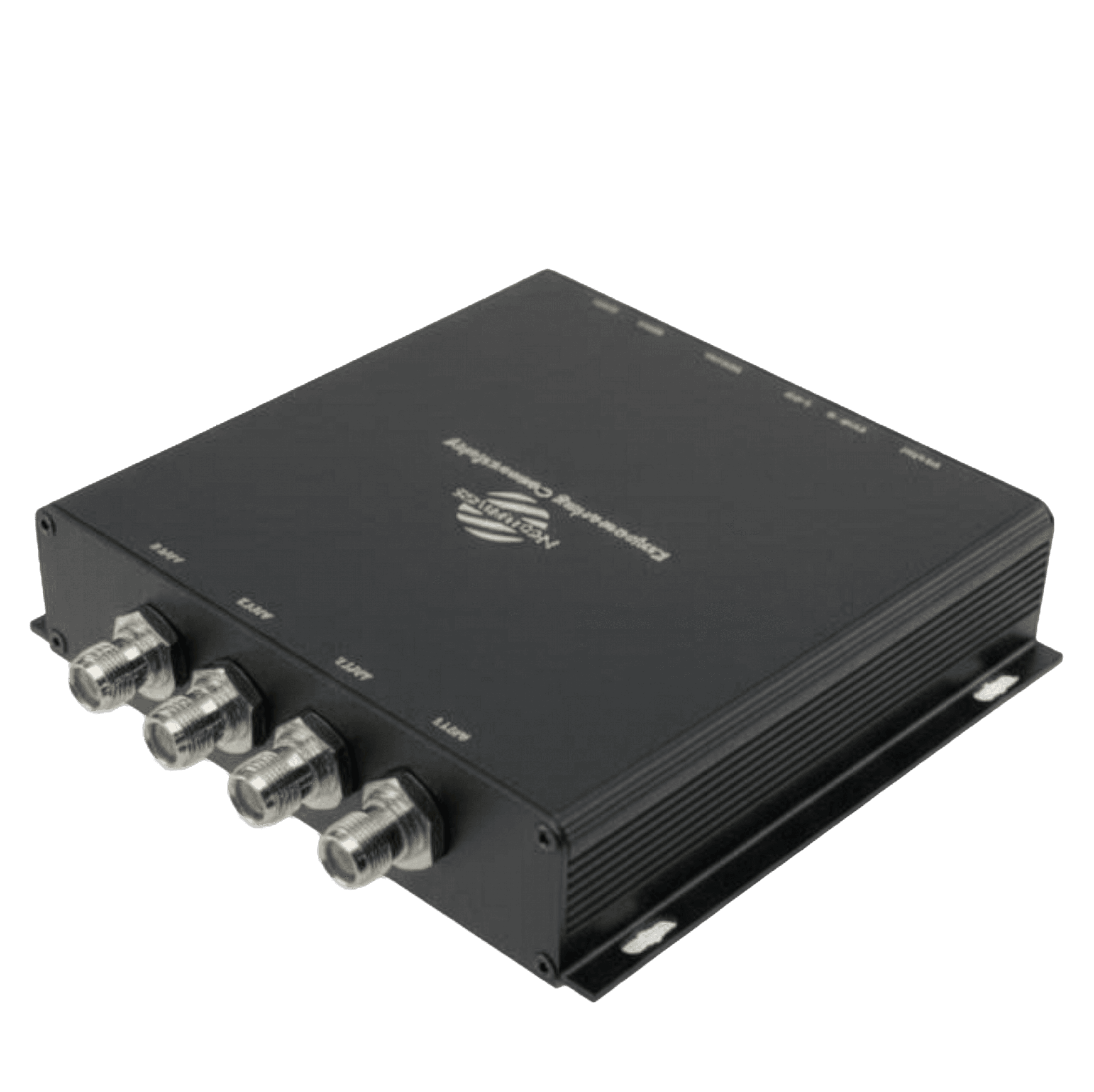
If your engineering team is evaluating the Alien Technology ALR-F800, the Nextwaves NR155 presents a vastly superior cloud-native architecture. Legacy systems inherently drive high capital expenditure through vendor lock-in and proprietary software ecosystems.
Nextwaves completely eliminates this barrier by providing a standard MQTT REST API directly on the device. Your software developers can integrate tag reading directly into your custom ERP or WMS backend in days instead of months, completely bypassing recurring middleware licensing fees.
Frequently Asked Questions
What is the ALR-F800?
The Alien Technology ALR-F800 is an enterprise-grade RFID reader equipped with DSA (Dynamic Self-Adapting) algorithms. Operating on the 902.75-927.25 MHz (FCC) / 865.7-867.5 MHz (ETSI) bands, it fully supports the EPC Gen 2, ISO 18000-6C standard for high-volume environments.
How much does this setup cost initially?
The base unit is typically priced around $1200. However, total deployment costs will vary depending on required exterior antennas, coaxial RF cables, proprietary software middleware, and the specifics of your PoE or AC-DC 100-240 VAC electrical structure.
Why should I choose Nextwaves instead?
Nextwaves provides embedded REST API and MQTT endpoints natively on the device. This allows software engineering teams to bypass legacy Alien reader protocols and integrate RFID data directly into modern HTTP/JSON based backends.
Is the hardware durable enough for warehouses?
The device weighs approximately 0.85 kg and measures 20.2 x 19.1 x 2.8 cm. With an IP rating of IP53, it handles light environmental dust and sprayed water, but appropriate NEMA enclosures should be considered for heavy industrial washdowns.
Does it support multiple network types?
Network integration is handled via its LAN TCP/IP, RS-232, USB Host, USB Console interfaces. Most modern integrators prefer the PoE-powered LAN port for simplified single-cable installations.
Can my team install this internally?
Physical mounting is straightforward with standard brackets. However, optimizing RF performance requires trained technicians to properly tune the RF transmission parameters according to your specific environment to prevent multipath cancellation.
How does the remote management work?
Remote device management, firmware updates, and basic tag testing can be executed through the Alien Gateway SDK or its web interface.
Do I need proprietary software to run it?
Most legacy systems require intermediate desktop applications or enterprise servers to feed data from the LAN TCP/IP, RS-232, USB Host, USB Console ports into cloud applications. This adds complexity and potential points of failure.
What warranty comes with the reader?
The manufacturer typically provides a standard one-year hardware warranty. Extended enterprise support SLA contracts are generally recommended for large-scale logistics deployments.
Are the antennas sold separately?
Up to 4 monostatic external near-field or far-field antennas can be attached. Correctly specifying and aligning these antennas across the 902.75-927.25 MHz (FCC) / 865.7-867.5 MHz (ETSI) spectrum is critical to achieving reliable edge read margins.