The ALR-9900+ is a legacy high-performance tracking device operating on 902-928 MHz. Compare its $1000 MSRP against modern, developer-friendly Nextwaves readers.
Technical Specifications
Hardware Overview
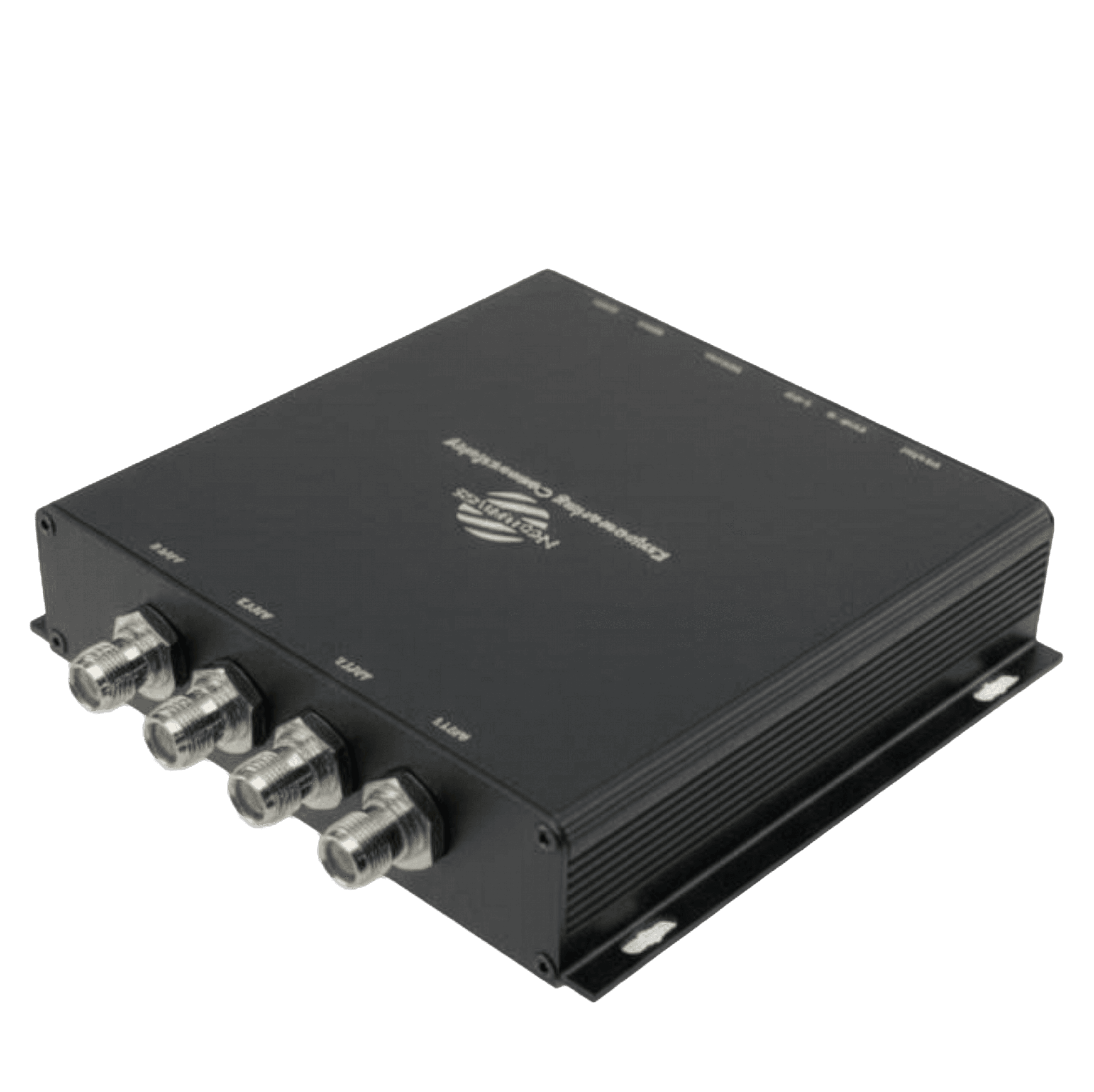
The Alien Technology ALR-9900+ is an industrial-grade RFID device. It operates within the 902-928 MHz range and supports the EPC Gen 2, ISO 18000-6C standard, making it widely deployed across enterprise logistics applications.
With an IP rating of N/A, it offers protection against specific environmental conditions typical in warehouses or retail backrooms. The reader utilizes AC-DC 100-240 VAC for continuous performance, while its stated maximum read rate peaks at N/A.
Connectivity and Network Integration
In modern deployments, network integration is the most significant hurdle. This model offers LAN TCP/IP, RS-232 options for transferring data back to central systems.
However, a major bottleneck with legacy Alien Technology hardware is the heavy reliance on proprietary SDKs (like LLRP) or expensive third-party IoT middleware to process raw tag data into meaningful business intelligence.
The Nextwaves Alternative
If your engineering team is evaluating the Alien Technology ALR-9900+, the Nextwaves NR155 presents a vastly superior cloud-native architecture. Legacy systems inherently drive high capital expenditure through vendor lock-in and proprietary software ecosystems.
Nextwaves completely eliminates this barrier by providing a standard MQTT REST API directly on the device. Your software developers can integrate tag reading directly into your custom ERP or WMS backend in days instead of months, completely bypassing recurring middleware licensing fees.
Frequently Asked Questions
What is the ALR-9900+?
The Alien Technology ALR-9900+ is a stationary, multi-port RFID interrogator. Operating on the 902-928 MHz band, it supports the EPC Gen 2, ISO 18000-6C standard and utilizes Alien's specialized interference rejection electronics.
How much does this setup cost initially?
The reader has historically been priced around $1000. Facilities must also account for the costs of 4 high-gain antennas, coaxial loss-preventing cables, and the structural setup of its AC-DC 100-240 VAC power delivery.
Why should I choose Nextwaves instead?
Nextwaves provides embedded REST API and MQTT endpoints natively on the hardware. Software engineering teams can bypass complex EPC global LLRP structures and integrate RFID events directly into modern cloud systems natively.
Is the hardware durable enough for warehouses?
The device weighs approximately 0.95 kg and measures 20.3 x 20.3 x 4.8 cm. Due to the lack of an IP washdown rating (N/A), it is best deployed inside industrial cabinets or environmentally controlled zones.
Does it support multiple network types?
Network integration physically routes through standard LAN TCP/IP, RS-232 connections. Direct serial polling is still supported for older, air-gapped logistics networks.
Can my team install this internally?
Physical mounting uses heavy-duty flanged screw mounts. To achieve optimal performance, RF engineers must adjust transmission power parameters and dense reader mode settings depending on interference.
How does the remote management work?
Remote management is generally conducted through the legacy Alien Reader Interface or third-party SNMP monitoring platforms.
Do I need proprietary software to run it?
Integrators traditionally route data from the LAN TCP/IP, RS-232 ports into desktop middleware to handle de-duplication and aggregation. This significantly adds to system maintenance resources.
What warranty comes with the reader?
The manufacturer typically provides a standard one-year hardware warranty. Production deployments frequently require extended replacement SLAs to protect the investment in legacy infrastructure.
Are the antennas sold separately?
External antennas are strictly mandatory. Cable length and antenna type must be carefully mathematically tuned across the 902-928 MHz frequency band to maximize power transmission without exceeding regional regulations.