Мир невидимых связей: Все о технологии RFID
В мире, где все связано друг с другом, возможность отслеживать вещи, товары и даже людей в реальном времени - это уже не роскошь, а необходимость. В центре этой революции стоит Radio-Frequency Identification (RFID) - мощная технология, которая передает данные без проводов с помощью радиоволн. RFID ушла далеко вперед от привычных штрих-кодов. Она стала основой «Интернета вещей» (IoT), позволяя цифровому миру «видеть» физические объекты. Это меняет все: от магазинов и складов до больниц и заводов. В этой статье мы разберем, как работает RFID, какой она бывает и почему она так важна для современного бизнеса.
Как устроена система RFID: магия радиоволн
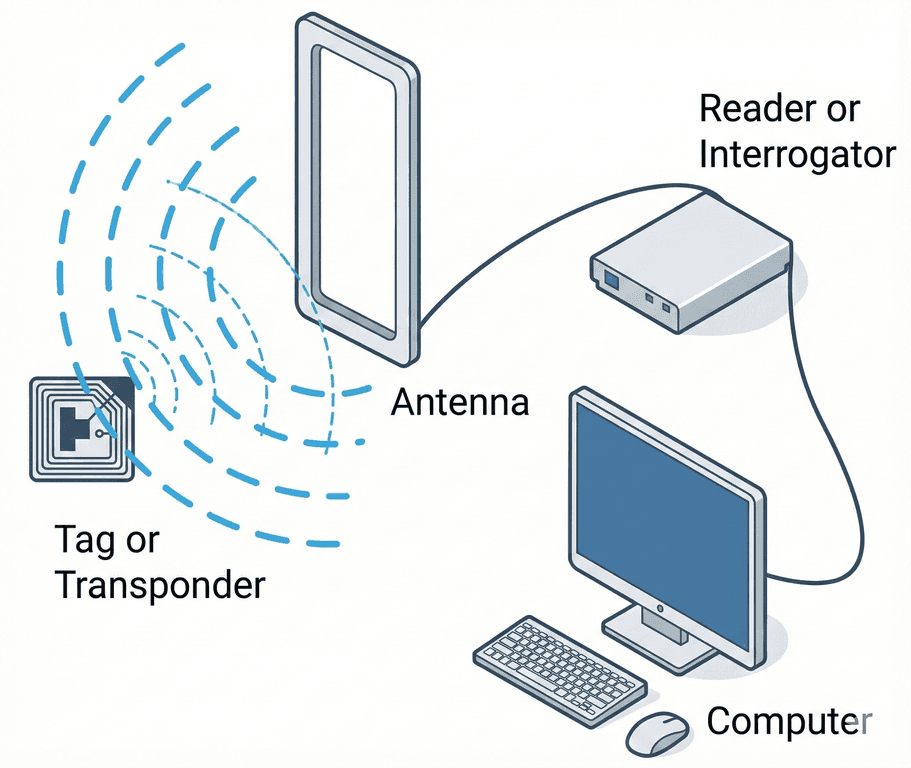
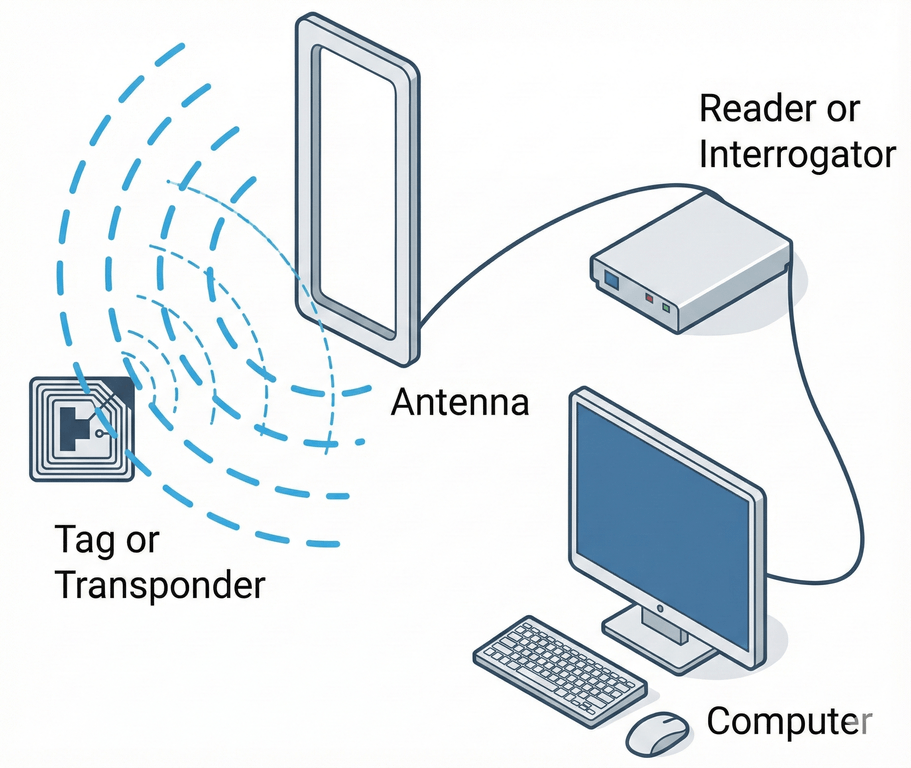
Любая система RFID состоит из трех основных частей, которые работают вместе: метка, считыватель и антенна.
1. RFID-метки (транспондеры)
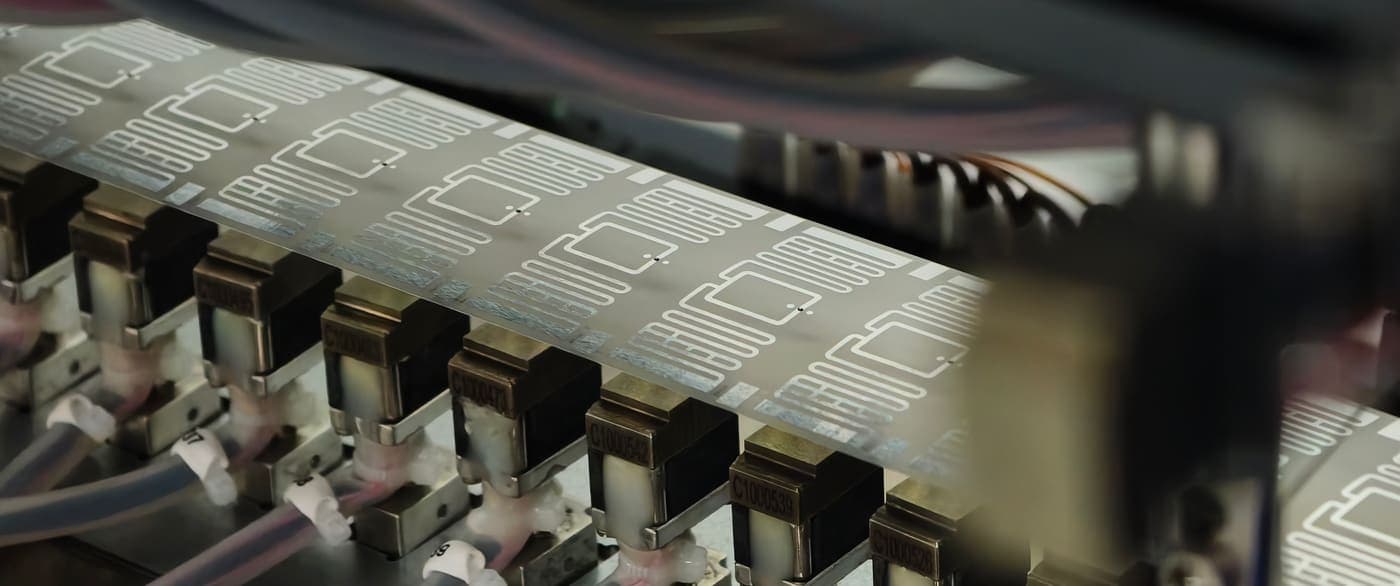
Метка - это крошечное устройство, которое крепится к объекту. Внутри нее находится чип с данными (обычно это уникальный номер) и антенна для приема и передачи сигнала. Метки бывают двух видов:
- Пассивные метки: У них нет своей батарейки. Они «оживают» только тогда, когда попадают в поле действия считывателя, используя его энергию. Они маленькие, дешевые и работают на расстоянии от пары сантиметров до нескольких метров.
- Активные метки: В них встроена батарейка, поэтому они сами излучают сигнал на большие расстояния (до ста метров и больше). Они дороже и крупнее, но идеально подходят для отслеживания дорогой техники или работы в системах позиционирования в реальном времени (RTLS).
2. RFID-считыватели (интеррогаторы)
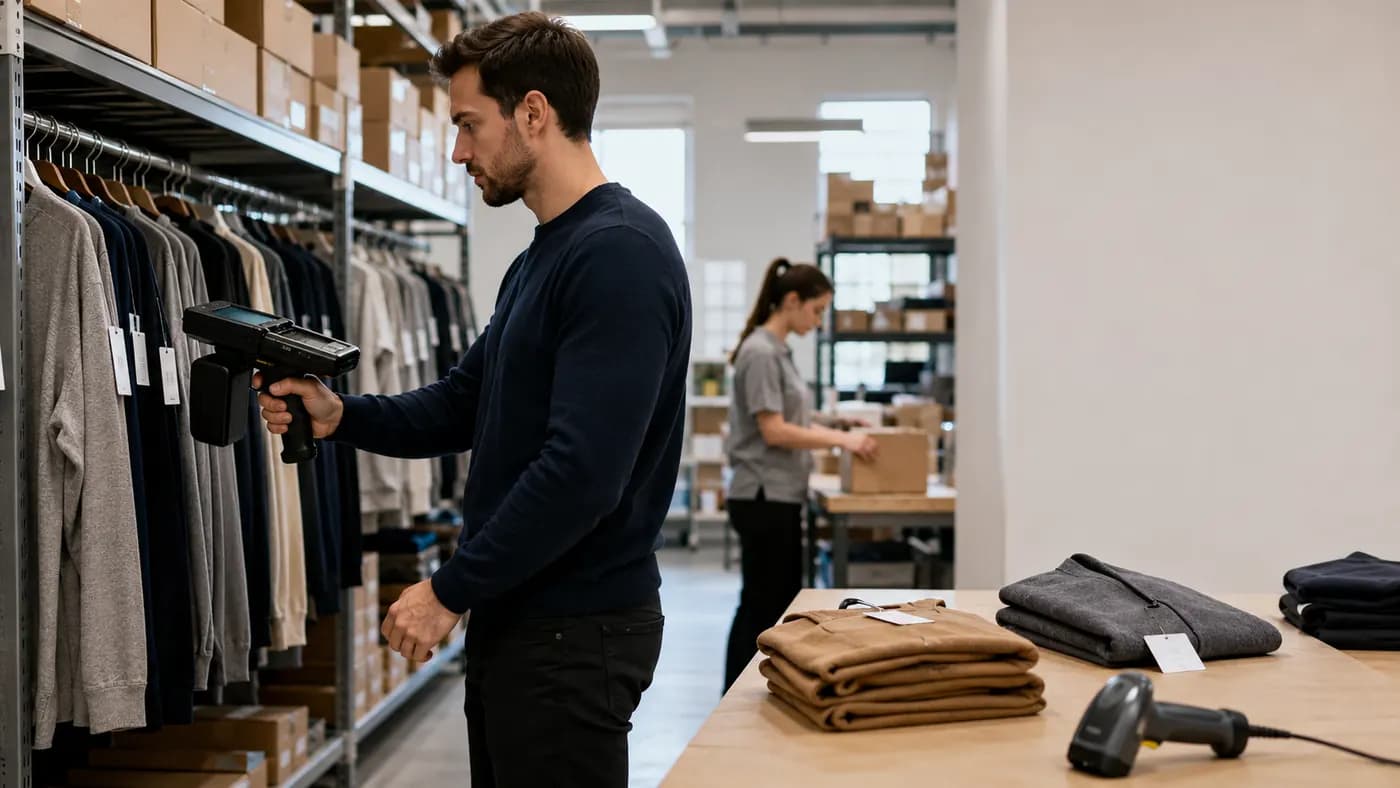
Считыватель - это прибор, который посылает радиоволны, чтобы «опросить» метку. Когда метка оказывается рядом, она активируется и отправляет свои данные обратно. Считыватель превращает радиоволны в цифровой код и передает его в компьютер для обработки.
3. Антенна
Антенна - это проводник энергии. Она подключается к считывателю, излучает сигнал в пространство и ловит ответ от меток. От размера и формы антенны зависит, насколько далеко и в каком радиусе система будет «видеть» объекты.
Разбираемся в частотах: LF, HF и UHF
RFID работает на разных радиочастотах. Каждая из них подходит для своих задач, так как они по-разному реагируют на препятствия и передают данные. Вот три основных диапазона:
Низкая частота (LF) - 125-134 кГц
LF RFID работает на очень коротких дистанциях (обычно до 10 см) и передает данные медленно. Зато такие волны почти не боятся помех от металла или воды. Чаще всего это чипы для домашних животных, ключи-таблетки от домофонов или системы защиты в машинах.
Высокая частота (HF) - 13.56 МГц
HF RFID работает на расстоянии до 30 см. Она нужна там, где важен быстрый обмен данными на близком расстоянии. Сюда относится и технология NFC, которую мы используем для оплаты телефонами, в электронных билетах или смарт-плакатах. Также ее применяют в библиотеках и для учета пациентов в клиниках.
Сверхвысокая частота (UHF) - 860-960 МГц
UHF RFID, которую часто называют RAIN RFID, - самая дальнобойная (до 12 метров) и быстрая. Она идеально подходит для складов, где нужно сканировать много товаров сразу и издалека. Раньше она плохо работала рядом с металлом и водой, но современные метки и антенны решили эту проблему. Сейчас UHF - это стандарт для логистики и управления запасами в магазинах.
Где это меняет жизнь: главные сферы применения RFID
RFID - это не просто замена штрих-коду. Это инструмент, который делает бизнес эффективнее, а жизнь людей - проще.
Логистика и цепочки поставок
Метки на паллетах и коробках позволяют видеть движение товара в реальном времени. Это дает:
- Точный учет: Больше не нужно считать коробки вручную, риск ошибок минимален.
- Прозрачность: Вы всегда знаете, где был товар и куда он едет.
- Скорость: Можно сканировать сотни коробок одновременно, даже не открывая их, что ускоряет приемку и отгрузку.
Розничная торговля
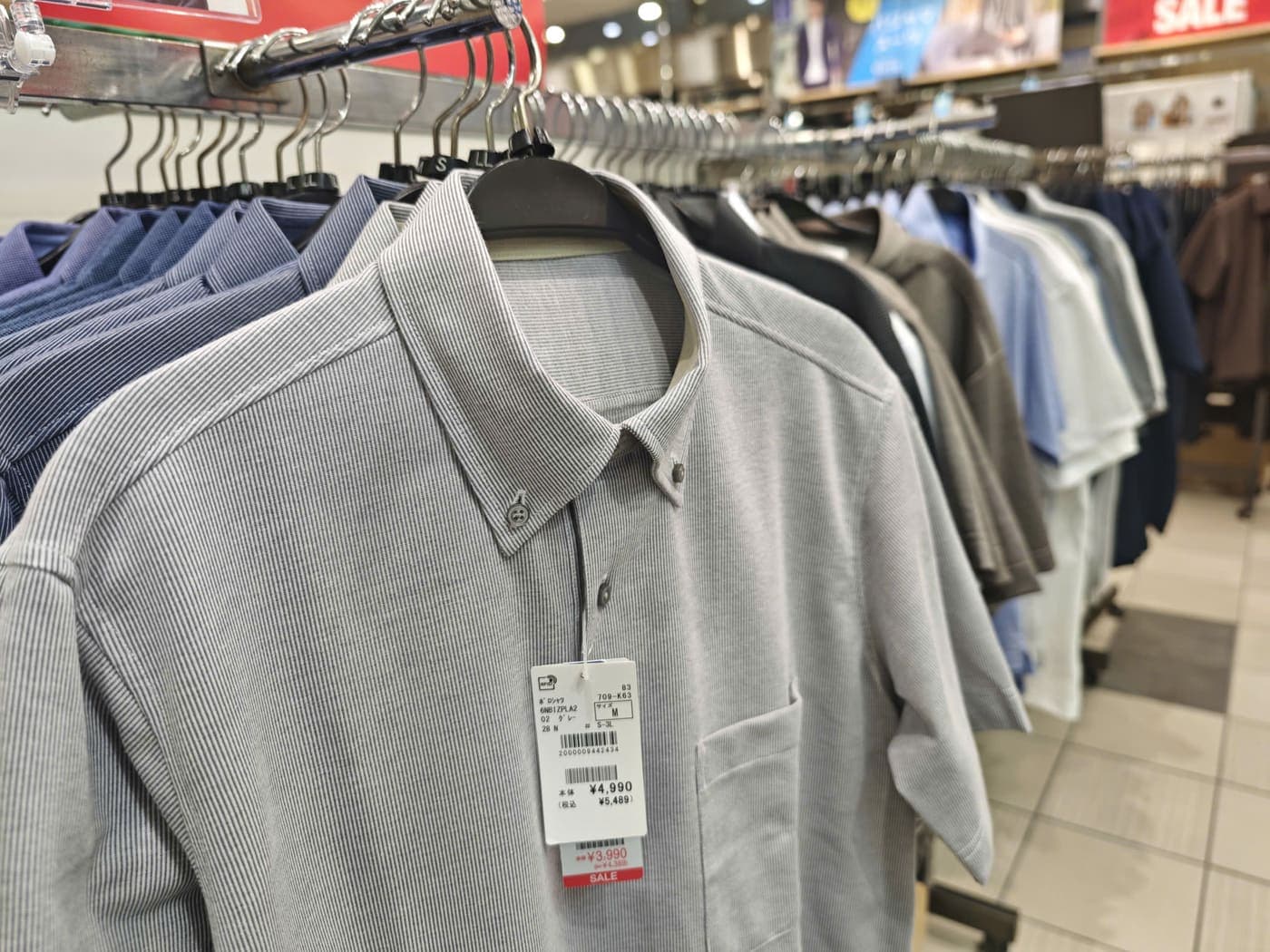
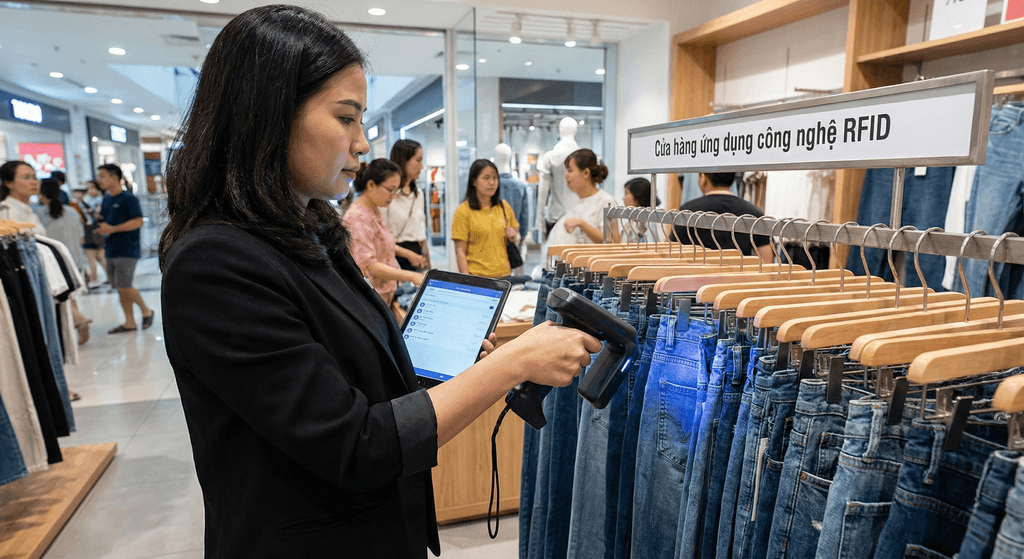
В магазинах RFID помогает навести порядок в остатках, что критично для современных продаж.
- Омниканальность: Магазин точно знает, что есть на полке, поэтому заказы «купи на сайте - забери в магазине» (BOPIS) работают без сбоев.
- Защита от краж: Метки легко интегрируются с системами безопасности на выходе.
- Новый опыт для покупателя: «Умные» зеркала в примерочных могут считывать метку на одежде и предлагать подходящие аксессуары или другой размер.
Медицина
В больницах RFID помогает спасать жизни и беречь дорогое оборудование.
- Поиск оборудования: Можно мгновенно найти нужный насос или инвалидное кресло в огромном здании.
- Безопасность пациентов: Браслеты с метками гарантируют, что пациент получит именно то лекарство или процедуру, которые ему назначены.
- Контроль инструментов: Система следит за хирургическими инструментами, чтобы они не терялись и вовремя проходили стерилизацию.
Будущее меток: что ждет RFID дальше
Цены на RFID-метки падают, а технологии становятся надежнее, поэтому их всё чаще встраивают в обычные вещи. Будущее RFID неразрывно связано с развитием интернета вещей (IoT), где у каждого предмета есть свой цифровой двойник. Новинки вроде меток с датчиками, активных меток (BAP) и работа таких организаций, как RAIN Alliance, создают мир, где управлять физическими вещами так же просто, как данными в интернете. RFID - это не просто технология, а важный мост между реальным и цифровым миром. Она делает глобальные процессы эффективнее, прозрачнее и намного умнее.