Повтарящо се напрежение
Ръчното сканиране на хиляди книги причинява наранявания от повтарящи се движения (RSI) на персонала.


Библиотеките са центрове на общността, но библиотекарите често се чувстват като работници в склад. Времето се изразходва за ръчни дейности по заемане и връщане, сортиране на върнатите книги и търсене на неправилно подредени екземпляри с баркод скенери с пряка видимост.
Посетителите искат удобство. Искат да вземат книга и да тръгнат, или да я върнат по всяко време — 24/7 — без да чакат на опашка. Традиционните ленти за EM сигурност предпазват от кражба, но не дават интелигентност за наличностите.
Резултатът е преживяване с „триене“, при което персоналът е затрупан от административни задачи вместо да се фокусира върху общността.
Ръчното сканиране на хиляди книги причинява наранявания от повтарящи се движения (RSI) на персонала.
Погрешно поставена книга е изгубена книга. Без RFID намирането на книга на грешен рафт е като търсене на игла в купа сено.
В пиковите часове се образуват дълги опашки на бюрото за обслужване, което разочарова читателите.
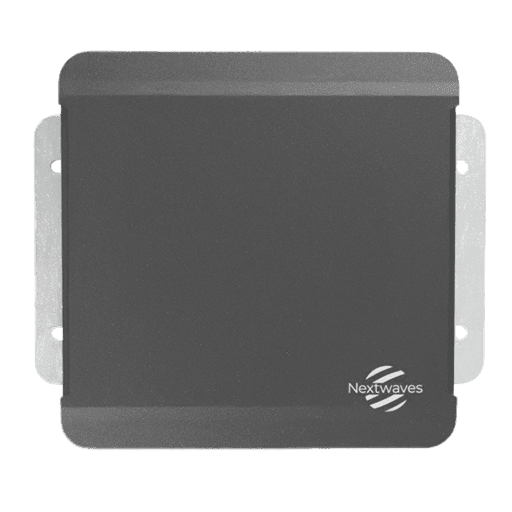
Nextwaves извежда библиотеката в модерната ера с HF/NFC и UHF RFID решения. Вграждаме тънък, невидим RFID таг в гръбнака или корицата на всяка книга.
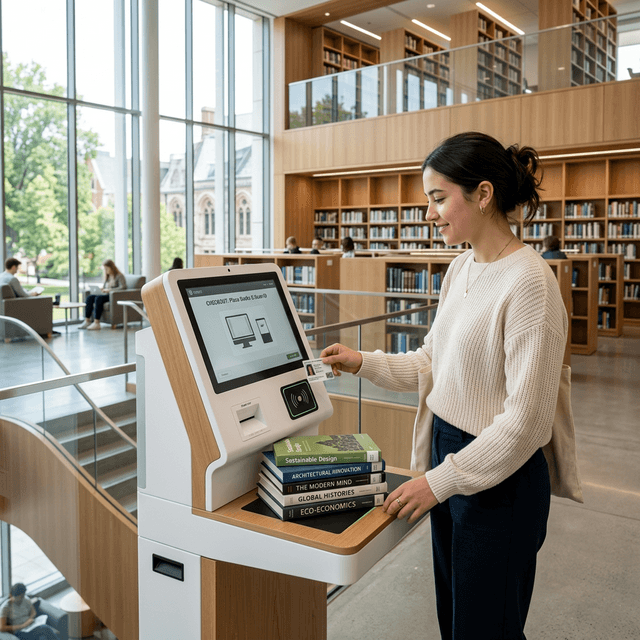
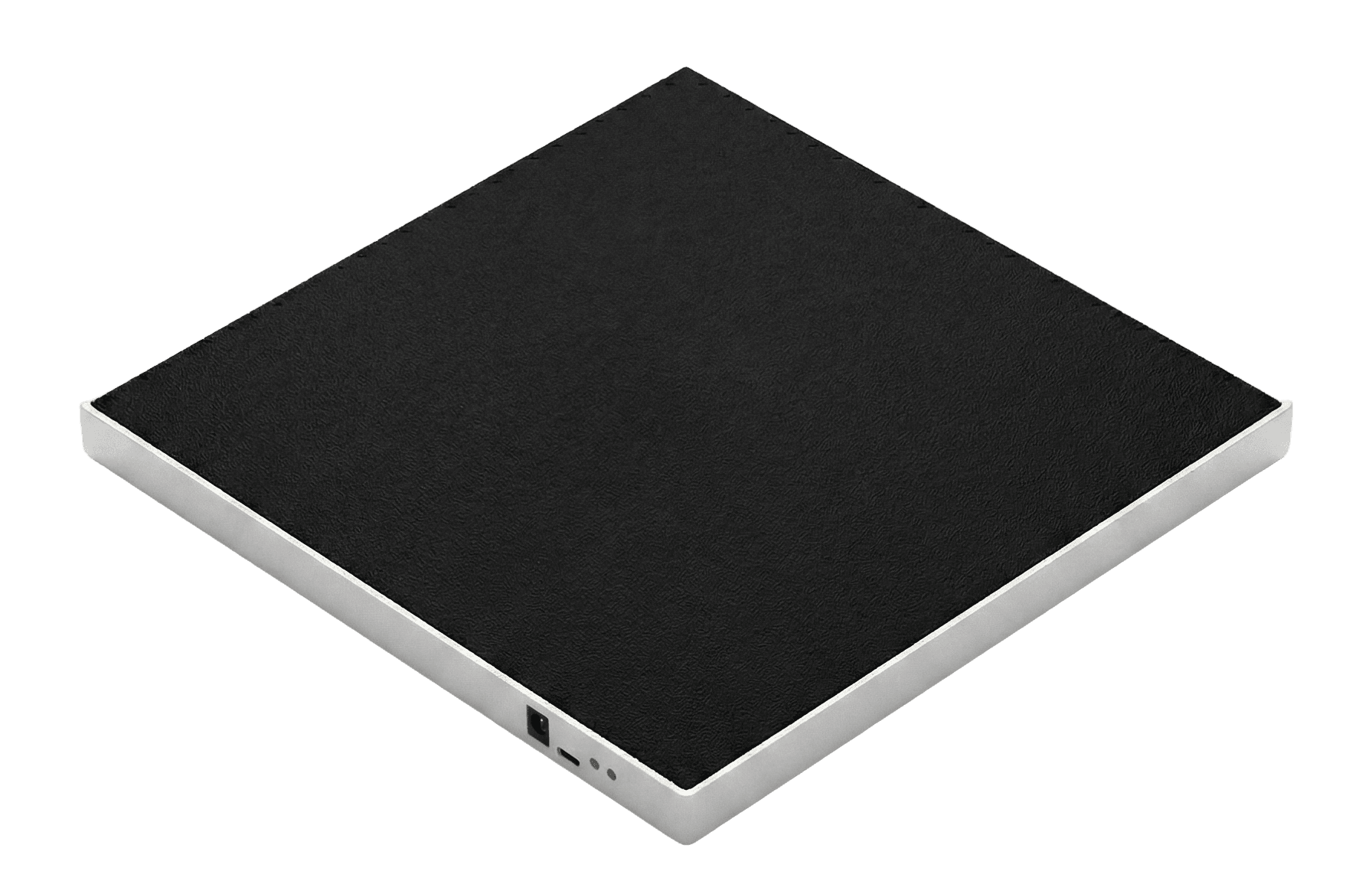
Киоските за самостоятелно обслужване позволяват на посетителите да подредят 5–10 книги наведнъж върху подложката. Системата ги разчита моментално, деактивира защитния бит и отпечатва разписка за секунди.
Интелигентните приемни улеи за връщане (AMH) приемат книги 24/7. Докато книгата се плъзга по улея, тя се сканира, регистрира като върната и дори автоматично се сортира в контейнери за повторно подреждане. Персоналът може да използва ръчни „пръчки“, за да обходи рафтовете, като открива моментално изгубени книги и потвърждава правилния ред.
Давете възможност на читателите да взимат и връщат книги мигновено, намалявайки опашките.
Намерете погрешно поставена книга за секунди, просто като минавате покрай рафтовете с четящо устройство.
Автоматичните книгохранилища актуализират читателската сметка незабавно.
Библиотекарите се превръщат от 'обработващи книги' в 'информационни специалисти'.
Нова централна библиотека искаше да отвори с модел на обслужване 'без персонал', за да увеличи максимално бюджета за общностни програми.
Преходът на цялата колекция на една библиотека е сериозно начинание — затова проектираме за съвместно съществуване. Хибридните тагове съдържат едновременно наследения баркод и нов RFID чип в един и същ етикет. Така съществуващата ви ILS система продължава да работи, докато персоналът постепенно преминава към RFID работни процеси със собствено темпо.
За повечето обществени библиотеки препоръчваме HF (13.56 MHz). Същата честота се използва за платежни карти и NFC телефони, което осигурява отлична прецизност и поверителност за посетителите. Големи академични архиви с масова наличност от десетки хиляди артикули се възползват от скоростта на UHF. Оценяваме вашата колекция и препоръчваме правилната честота, а не универсален подход.
RFID прави модела с „часове без персонал“ реалистичен. Регистрираните посетители могат да влизат в сградата с членската си карта, да разглеждат и да заемат книги самостоятелно, и да връщат артикулите през автоматизирани приемници. в 22:00 в сряда или в 6:00 в неделя.
Същата инфраструктура отключва интелигентност за наличностите и за персонала: обхождане с ръчна пръчка на цял рафт/пътека отнема минути и показва всички неправилно подредени екземпляри. Това, което преди е отнемало на библиотекаря цял работен смяна, сега се случва за няколко минути в началото на деня.
Защитете лаптопи и IT оборудване с RFID портали за сигурност, anti-metal етикети и автоматизирани одити.
Създадете безпроблемно, модерно изживяване за вашите читатели.