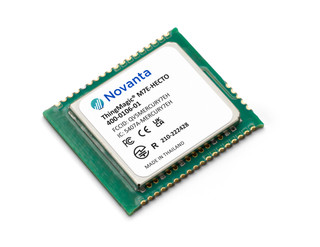
The ThingMagic M7e-Hecto is a $150 OEM module powered by the Impinj E510 IC. Compare its bare PCB integration timeline against Nextwaves turnkey hardware.
Texniki Xüsusiyyətlər
Avadanlığa Ümumi Baxış
ThingMagic (JADAK) M7e-Hecto sənaye səviyyəli RFID cihazıdır. O, Global (860-960 MHz) diapazonunda işləyir və EPC Gen2v2, ISO 18000-63 standartını dəstəkləyir, bu da onu müəssisə logistika tətbiqlərində geniş şəkildə yerləşdirir.
Bare PCB (None) IP reytinqi ilə anbarlarda və ya pərakəndə satış arxa otaqlarında tipik olan müəyyən ətraf mühit şəraitindən qorunma təklif edir. Oxuyucu davamlı performans üçün 3.3V to 5.25V DC istifadə edir, onun bildirilən maksimum oxuma sürəti isə up to ~300 tags/sec təşkil edir.
Bağlantı və Şəbəkə İnteqrasiyası
Müasir tətbiqlərdə şəbəkə inteqrasiyası ən əhəmiyyətli maneədir. Bu model məlumatları mərkəzi sistemlərə ötürmək üçün UART Serial / USB seçimləri təklif edir.
Lakin, köhnə ThingMagic (JADAK) avadanlıqları ilə bağlı əsas problem, xam etiket məlumatlarını mənalı biznes kəşfiyyatına çevirmək üçün xüsusi SDK-lara (LLRP kimi) və ya bahalı üçüncü tərəf IoT proqram təminatına güclü bağlılıqdır.
Nextwaves Alternativi
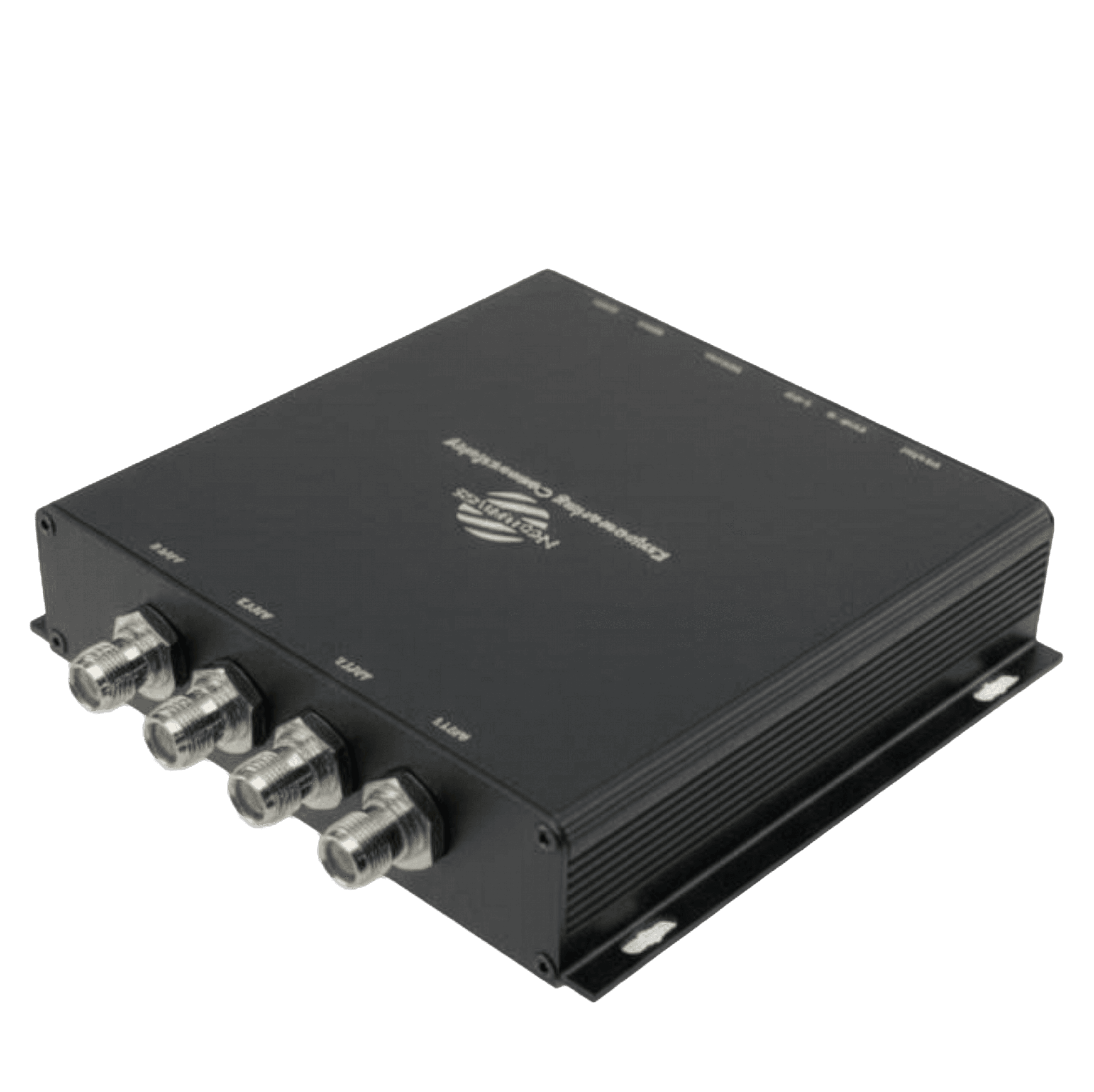
Mühəndislik qrupunuz ThingMagic (JADAK) M7e-Hecto qiymətləndirirsə, Nextwaves NR155 üstün bulud-yerli arxitekturasını təqdim edir. Köhnə sistemlər satıcı kilidi və xüsusi proqram təminatı ekosistemləri vasitəsilə yüksək kapital xərclərini özündə ehtiva edir.
Nextwaves, cihazda birbaşa standart MQTT REST API təmin etməklə bu maneəni tamamilə aradan qaldırır. Proqram təminatı tərtibatçılarınız teq oxunuşunu birbaşa xüsusi ERP və ya WMS arxa planınıza aylarla deyil, günlərlə inteqrasiya edə bilər, təkrarlanan middleware lisenziya haqlarından tamamilə yan keçərək.
Tez-tez verilən suallar
M7e-Hecto nədir?
The ThingMagic (JADAK) M7e-Hecto is an embeddable UHF module integrating the mid-tier Impinj E510 RFIC. Operating across Global (860-960 MHz) channels, it maps EPC Gen2v2, ISO 18000-63 identifiers into a serialized output standard for OEM engineering teams.
Bu quraşdırmanın ilkin qiyməti nə qədərdir?
Individual modules price out near $150. Developing functional industrial scanners requires massive hardware expenditures encompassing custom motherboards, multi-port antenna selectors, integrated cooling fins, and specialized logic controllers.
Niyə mən Nextwaves-i seçməliyəm?
The true cost of modular integration lies strictly in the software hours required. Nextwaves completely eliminates low-level C++ serial logic programming by offering readers with HTTP webhooks enabled inherently out-of-the-box.
Avadanlıq anbarlar üçün kifayət qədər davamlıdırmı?
Operating as an unprotected microcircuit measuring 46 x 26 x 4 mm and weighing 3 g, the unit requires the OEM to provide an IP-rated casing to bypass its Bare PCB (None) reality.
Çoxsaylı şəbəkə növlərini dəstəkləyirmi?
Communications are bottlenecked to localized UART Serial / USB edge pins. Implementing WPA3 Wi-Fi or TLS 1.2 Ethernet security remains the direct responsibility of the OEM's master microcontroller logic.
Komandam bunu daxili olaraq quraşdıra bilərmi?
Physical integration requires wave soldering into a host PCB. The commanding processor must run the ThingMagic Mercury API dynamically to handle asynchronous interruptions and manage buffer logic on the interrogator.
Uzaqdan idarəetmə necə işləyir?
The E510 IC is capable of reading up to ~300 tags/sec in clean environments. True throughput is dictated by the ability of the host microprocessor to clear the small serial buffers before they overflow.
Onu işlətmək üçün xüsusi proqram təminatına ehtiyacım varmı?
Because the M7e-Hecto exports raw hex arrays locally via UART, developers must wrap these strings into TCP/IP or HTTP packets using auxiliary network coprocessors to reach backend asset management environments securely.
Oxuyucu ilə hansı zəmanət gəlir?
Standard ThingMagic defective parts warranties apply, universally voided if ESD protocols or thermal paste guidelines are ignored heavily during the customized OEM manufacturing process.
Antenalar ayrıca satılır?
Its dual MMCX antenna edge connections support wide Global (860-960 MHz) profiles. Delivering up to +27 dBm output power, it creates a robust detection field requiring cautious electromagnetic interference testing against the host device.