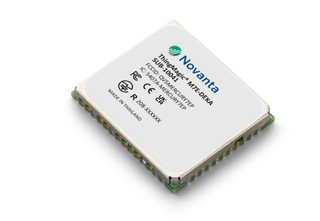
The ThingMagic M7e-Deka is a miniature $120 UHF module based on the Impinj E310 core. Understand the engineering costs for deep hardware embedding.
Texniki Xüsusiyyətlər
Avadanlığa Ümumi Baxış
ThingMagic (JADAK) M7e-Deka sənaye səviyyəli RFID cihazıdır. O, Global (860-960 MHz) diapazonunda işləyir və EPC Gen2v2, ISO 18000-63 standartını dəstəkləyir, bu da onu müəssisə logistika tətbiqlərində geniş şəkildə yerləşdirir.
Bare PCB (None) IP reytinqi ilə anbarlarda və ya pərakəndə satış arxa otaqlarında tipik olan müəyyən ətraf mühit şəraitindən qorunma təklif edir. Oxuyucu davamlı performans üçün 3.3V to 5.25V DC istifadə edir, onun bildirilən maksimum oxuma sürəti isə up to ~300 tags/sec təşkil edir.
Bağlantı və Şəbəkə İnteqrasiyası
Müasir tətbiqlərdə şəbəkə inteqrasiyası ən əhəmiyyətli maneədir. Bu model məlumatları mərkəzi sistemlərə ötürmək üçün UART Serial / USB seçimləri təklif edir.
Lakin, köhnə ThingMagic (JADAK) avadanlıqları ilə bağlı əsas problem, xam etiket məlumatlarını mənalı biznes kəşfiyyatına çevirmək üçün xüsusi SDK-lara (LLRP kimi) və ya bahalı üçüncü tərəf IoT proqram təminatına güclü bağlılıqdır.
Nextwaves Alternativi
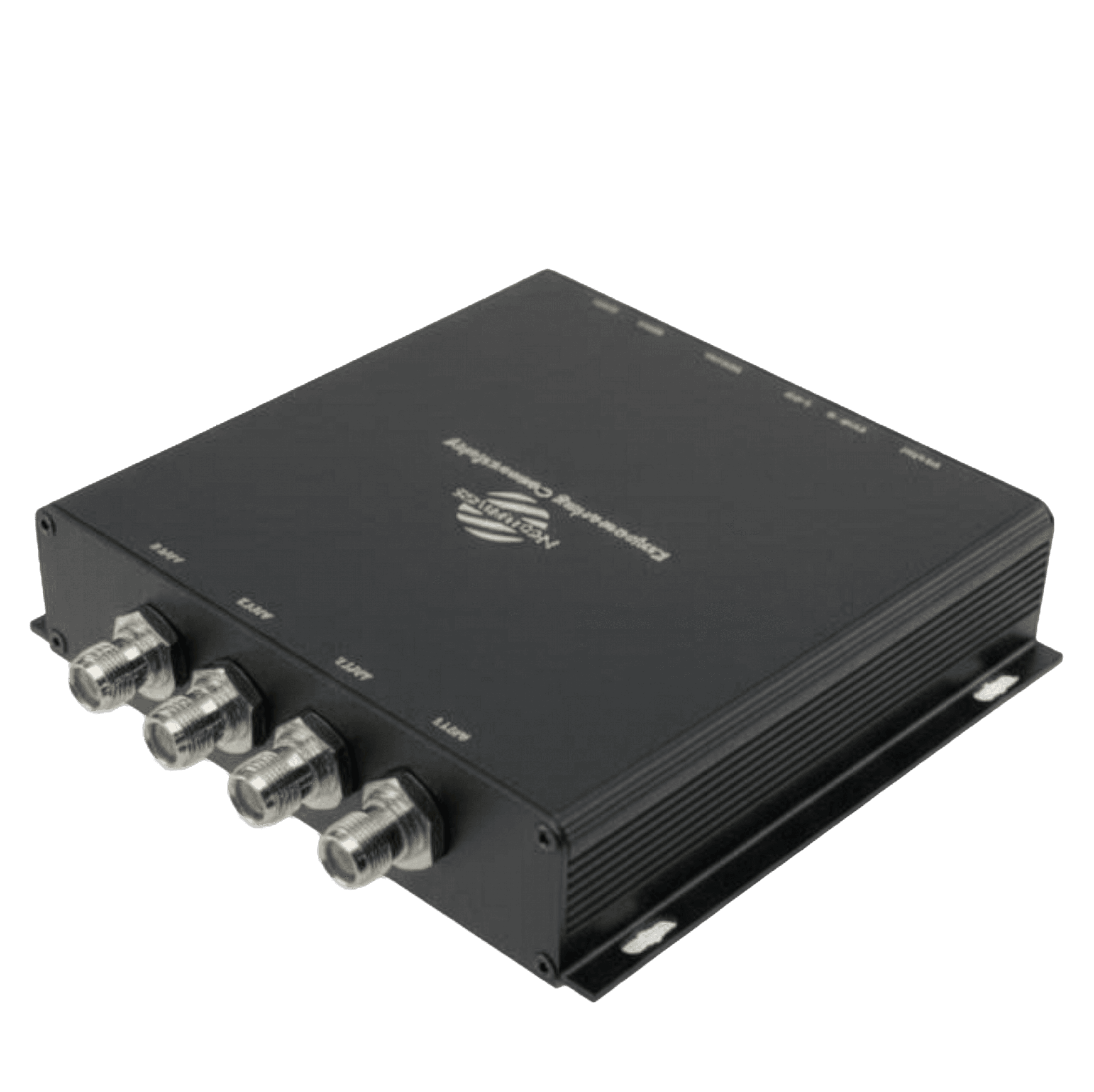
Mühəndislik qrupunuz ThingMagic (JADAK) M7e-Deka qiymətləndirirsə, Nextwaves NR155 üstün bulud-yerli arxitekturasını təqdim edir. Köhnə sistemlər satıcı kilidi və xüsusi proqram təminatı ekosistemləri vasitəsilə yüksək kapital xərclərini özündə ehtiva edir.
Nextwaves, cihazda birbaşa standart MQTT REST API təmin etməklə bu maneəni tamamilə aradan qaldırır. Proqram təminatı tərtibatçılarınız teq oxunuşunu birbaşa xüsusi ERP və ya WMS arxa planınıza aylarla deyil, günlərlə inteqrasiya edə bilər, təkrarlanan middleware lisenziya haqlarından tamamilə yan keçərək.
Tez-tez verilən suallar
M7e-Deka nədir?
The ThingMagic (JADAK) M7e-Deka is an embedded UHF RFID transceiver board engineered around the Impinj E310 IC. Capable of EPC Gen2v2, ISO 18000-63 decoding over the Global (860-960 MHz) block, it is used primarily in point-of-sale peripherals.
Bu quraşdırmanın ilkin qiyməti nə qədərdir?
Raw modules cost approximately $120 per unit. Like all SMD components, the true cost scales drastically when budgeting for carrier boards, antenna arrays, power management logic, and the central microprocessor.
Niyə mən Nextwaves-i seçməliyəm?
Embedding raw RF modules requires extensive C++ firmware expertise. Nextwaves supplies ready-to-mount smart nodes that already possess the physical casing, power management, and HTTP bridging logic, saving months of engineering.
Avadanlıq anbarlar üçün kifayət qədər davamlıdırmı?
Because it is a bare circuit board measuring 46 x 26 x 4 mm and weighing just 3 g, the module carries a Bare PCB (None) rating. Operators must design a rigid enclosure to shield it from factory or retail dust.
Çoxsaylı şəbəkə növlərini dəstəkləyirmi?
Data pipes strictly through UART Serial / USB boundary logic pins. Bridging this data into enterprise networks requires the parent device to provide secondary Ethernet or Wi-Fi processors.
Komandam bunu daxili olaraq quraşdıra bilərmi?
Final integration necessitates attaching the module onto a larger custom PCB. Software commands must be structured using the ThingMagic Mercury SDK executed securely by the master generic microprocessor.
Uzaqdan idarəetmə necə işləyir?
Optimized for mid-range scanning, the core IC scales processing to up to ~300 tags/sec. It serves primarily as a friction-less gateway rather than a massive area scanner.
Onu işlətmək üçün xüsusi proqram təminatına ehtiyacım varmı?
Transferring scanned strings to cloud infrastructure relies fully on your custom host firmware. To bypass legacy Bluetooth or Serial limitations, developers must code logic that pipes local serial streams into active REST connections.
Oxuyucu ilə hansı zəmanət gəlir?
The hardware holds a standard 12-month defect warranty, but component lifecycle spans are deeply tied to the thermal efficiency and static shielding of the OEM's proprietary carrier board design.
Antenalar ayrıca satılır?
A single MMCX connection handles external antenna routing across the Global (860-960 MHz) bands. Peak transmit gain extends up to +27 dBm, which demands dedicated thermal throttling logic.