Bulọọgi
Awọn iroyin tuntun ati awọn oye.

What is RAIN RFID? The Ultimate Guide to UHF Technology
RAIN RFID uses UHF (Ultra-High Frequency) technology to identify, locate, and track items wirelessly. This technology operates at 860-960 MHz and reads hundreds of tags per second. Supply chains gain real-time visibility into inventory, assets, and shipments.
Ka siwaju
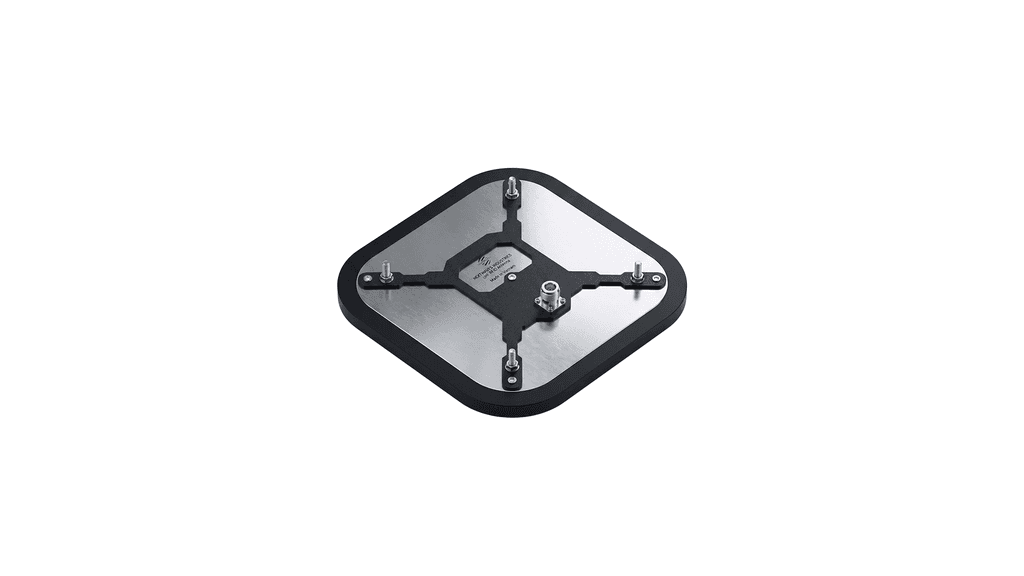
UHF RFID Antenna Selection: Polarization, Gain, and Durability
Selecting the right UHF RFID antenna determines your system's read rate and reliability. The wrong choice leads to missed tags, wasted investment, and operational delays.
Ka siwaju
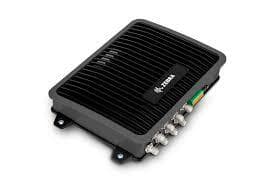
Zebra FX9600 Alternative: Why the Nextwaves NR-155 Fixed IoT Reader is the Smart Replacement
For years, the Zebra FX9600 has been a dominant force in the fixed UHF RFID reader market, known for its ruggedness and reliability. However, as the demands of the industry shift towards the Internet of Things (IoT), a new generation of readers is emerging, challenging the status quo
Ka siwaju
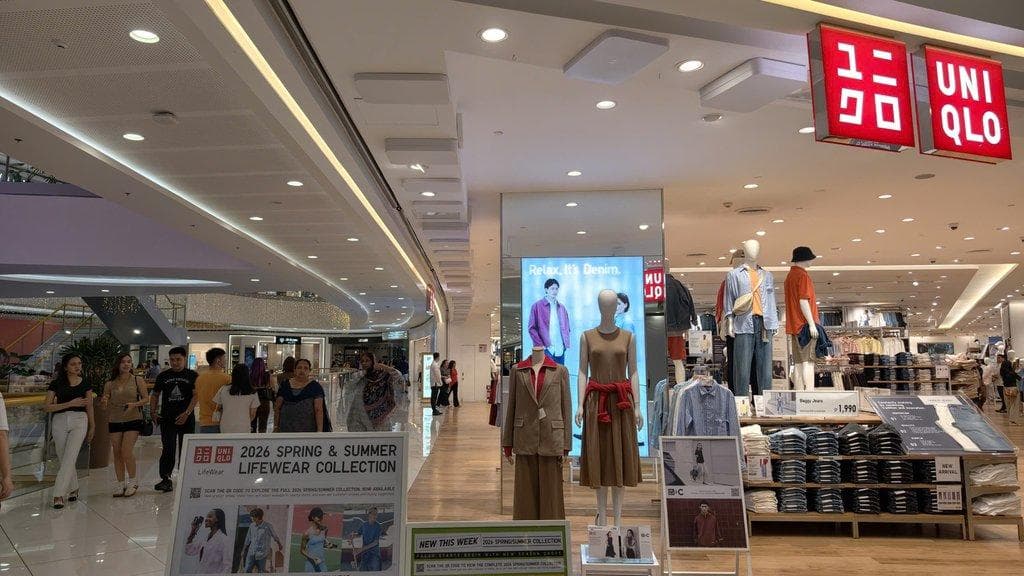
Uniqlo's Invisible Revolution: Decoding Ceiling-Mounted RFID Antenna Technology
When entering a modern Uniqlo store, customers might not notice anything different immediately. There are no longer large, clunky security gates blocking the entrance. The space is open, airy, and barrier-free. However, the absence of those gates is a sign of a profound technological revolution taking place right above their heads. Uniqlo has pioneered the removal of traditional pedestal-style RFID security systems and replaced them with an almost invisible solution: ceiling-mounted RFID antenna systems.
Ka siwaju
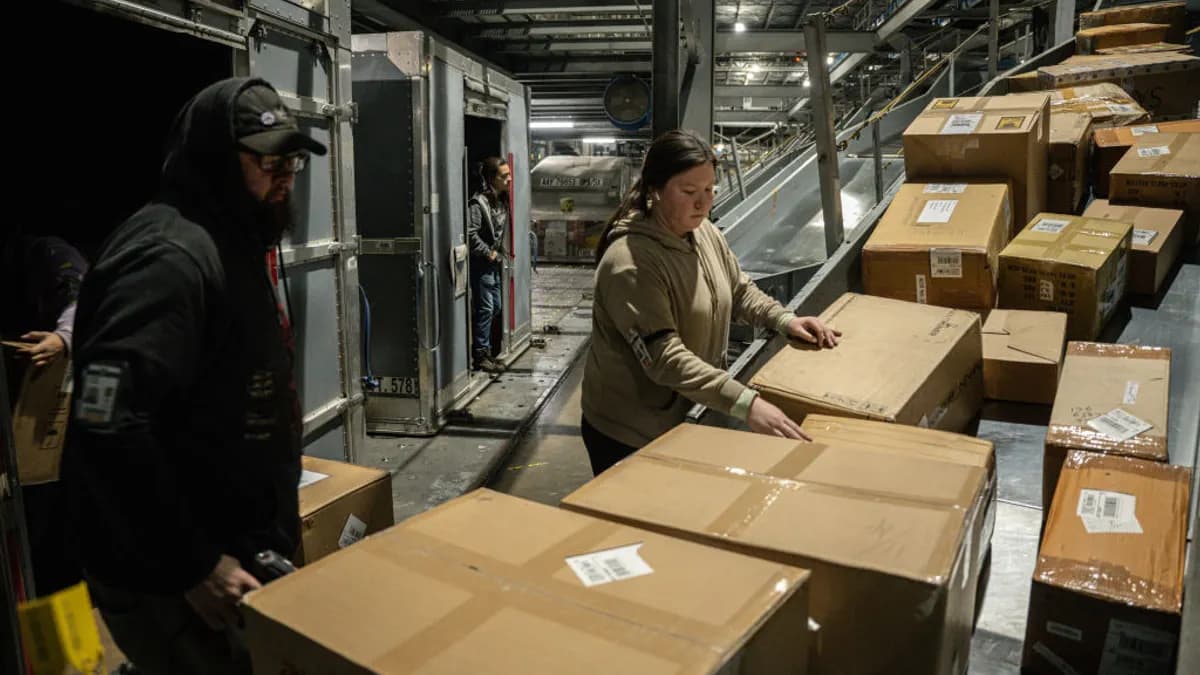
Ìyípadà Kẹ́lẹ́kẹ́lẹ́ ti UPS: Gbigbe igbesẹ lori Ètò RFID ti Biliọnu Dọ́là
A ó ṣàyẹ̀wò ìdí tí UPS, iléeṣẹ́ bàǹtàbàǹta tó ti wà fún ọdún mọ́kndínlọ́gọ́fà (119), fi pinnu láti ṣe ọ̀kan lára ìdókòwò ìmọ̀-ẹ̀rọ tó tóbi jù lọ nínú ìtàn rẹ̀. A ó tún fẹnu nǹkan lélẹ̀ lórí àwọn kókó ìmọ̀-ẹ̀rọ náà, láti orí bí a ṣe ṣe RFID label tó jẹ́ owó pọ́ọ́kú, títí dé bí a ṣe tò àwọn tag-reading network tó kárí gbogbo United States. Ohun tó tún ṣe pàtàkì jù ni pé, a ó ṣàyẹ̀wò àwọn nǹkan tó ń mú kí ọrọ̀ ajé gbilẹ̀, àwọn ìpèníjà nínú iṣẹ́, àti àwọn ipa pàtàkì tó ní lórí àwọn òṣìṣẹ́, àwọn oníbàárà, àti gbogbo iléeṣẹ́ logistics lápapọ̀. Èyí ni ìtàn bí UPS ṣe ń lo RFID, kì í ṣe láti jẹ́ kí iṣẹ́ yára nìkan, ṣùgbọ́n láti tún ipò iwájú rẹ̀ gba padà, láti fa àwọn oníbàárà pàtàkì mọ́ra, àti láti tún ìtumọ̀ iṣẹ́ ìgbé-ẹrù-ránṣẹ́ sọ ní sẹ́ńtúrì kọkànlélógún yìí.
Ka siwaju
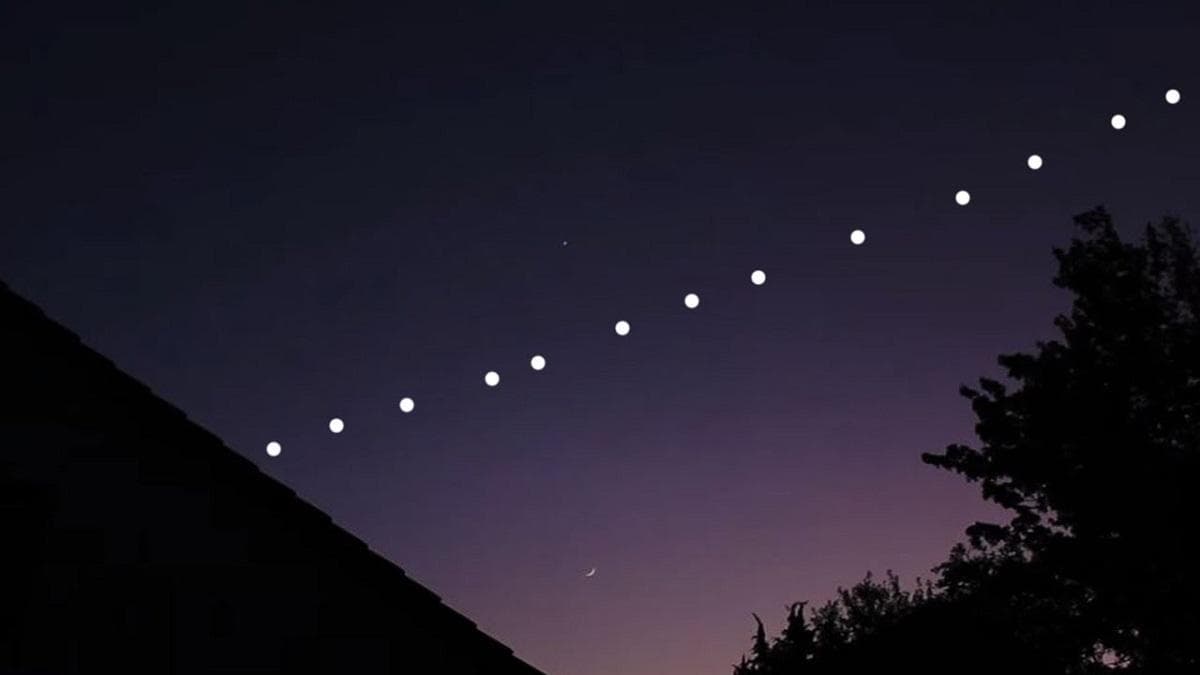
Starlink: Àwọn Ìpènìjà Antenna Engineering àti Ìtúmọ̀ Àwọn Èrò fún Global Internet
Nínú ìtàn ìmọ̀-ẹ̀rọ, díẹ̀ ni àwọn iṣẹ́-àkànṣe tó tóbi tó sì tún dá awuyewuye sí bíi Starlink ti SpaceX. Èyí kì í ṣe iṣẹ́ ìpèsè ìńtánẹ́ẹ̀tì látọ̀dọ̀ sátẹ́láìtì lásán; ó jẹ́ akitiyan iṣẹ́-ẹ̀rọ tó bùáyà láti pèsè ìńtánẹ́ẹ̀tì broadband tó yára kánkán sí gbogbo igun ayé. Pẹ̀lú èyí tó ju 9,400 sátẹ́láìtì tó ń ṣiṣẹ́ ní Low Earth Orbit (LEO) ní oṣù Kínní ọdún 2026, Starlink ti di àkójọpọ̀ sátẹ́láìtì tó tóbi jù lọ tí ènìyàn tíì dá rí, tó sì jẹ́ ohun tó ju ìdá ọgọ́ta-ó-lé-márùn-ún (65%) nínú gbogbo sátẹ́láìtì tó ń ṣiṣẹ́ lọ́wọ́. Iṣẹ́-àkànṣe yìí jẹ́ ẹ̀rí sí agbára ìrònú nípa ètò (systems thinking), ìṣọ̀kan iṣẹ́ (vertical integration), àti ìforítì láti yanjú àwọn ìpèníjà ìmọ̀-ẹ̀rọ tó nira jù lọ.
Ka siwaju