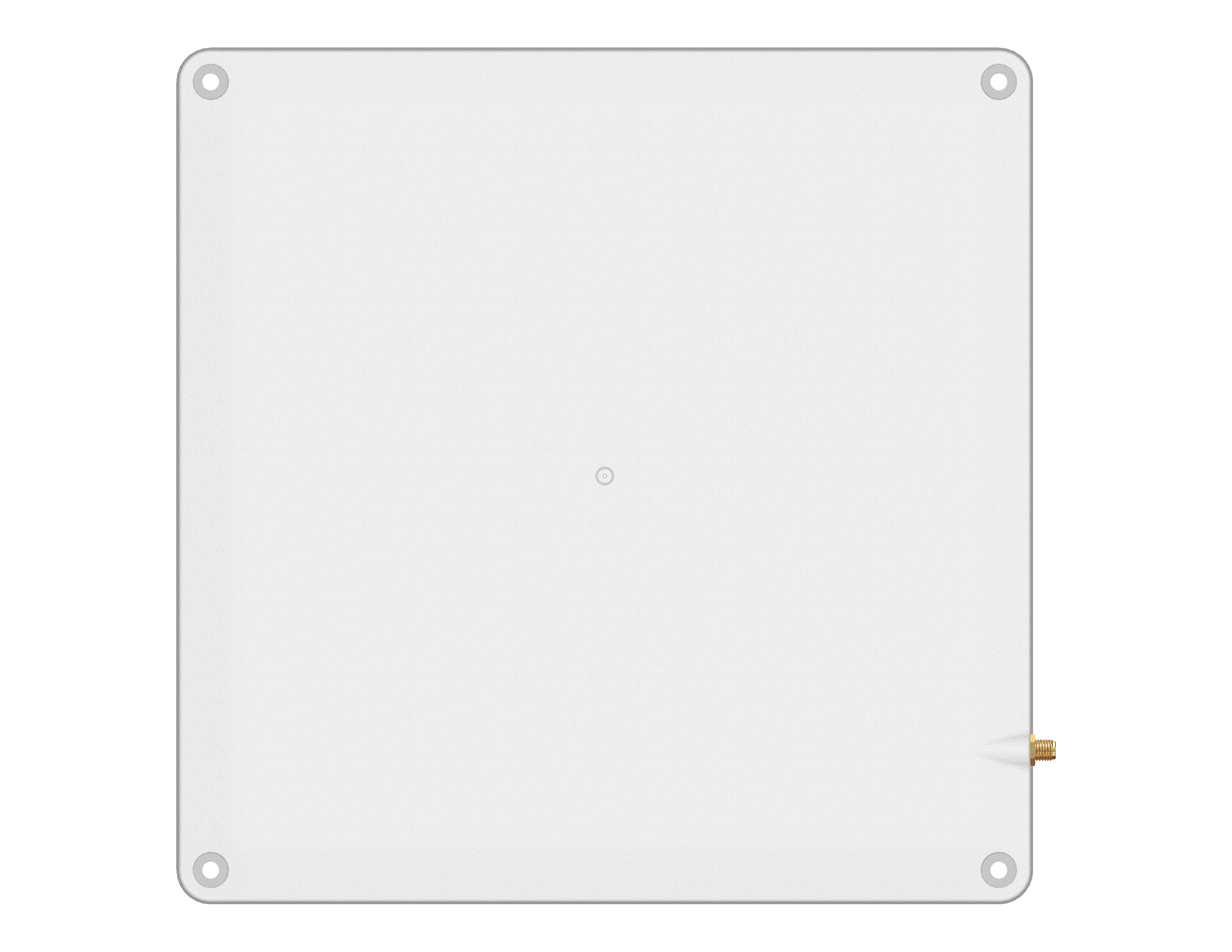
The Zebra AN510 is an indoor/outdoor passive antenna. Compare its deployment costs against standalone active edge node setups by Nextwaves.
Àlàyé Ìmọ̀ Ẹ̀rọ
Àkótán Ẹ̀rọ
Ẹ̀rọ Zebra AN510 jẹ́ ohun èlò RFID tó ní ìpele iṣẹ́ ọ̀dọ́ọ̀dún. Ó ń ṣiṣẹ́ ní àgbègbè 902-928 MHz / 865-868 MHz àti pé ó ń ṣe àtìlẹ́yìn fún àdájọ́ N/A (Passive Antenna Element), èyí tó ń jẹ́ kí ó lè lo ní àgbègbè àwọn ohun elo ìṣàkóso ilé iṣẹ́.
Pẹ̀lú ìtẹ̀sí IP IP67, ó ń pèsè ààbò lòdì sí àwọn ipo ayika pàtó tí wọ́pọ̀ ní ilé ìkó tàbí àgbàlá tita. Oluka náà ń lo N/A (Passive) fún iṣẹ́ àìdá, nígbà tí ìpele ìkànsí gíga tó sọ pé N/A (Passive).
Isopọpọ ati Isopọ Nẹtiwọọki
Ninu awọn imuse igbalode, isopọpọ nẹtiwọọki jẹ idiwọ ti o ṣe pataki julọ. Awoṣe yii nfunni Coaxial Type N Female awọn aṣayan fun gbigbe data pada si awọn eto aarin.
Sibẹsibẹ, bottleneck pataki kan pẹlu hardware atijọ Zebra ni igbẹkẹle pupọ lori awọn SDK ti ara ẹni (bii LLRP) tabi middleware IoT ti awọn ẹgbẹ kẹta ti o gbowolori lati ṣe ilana data afi aise sinu oye iṣowo ti o ni itumọ.
Àṣàyàn Nextwaves
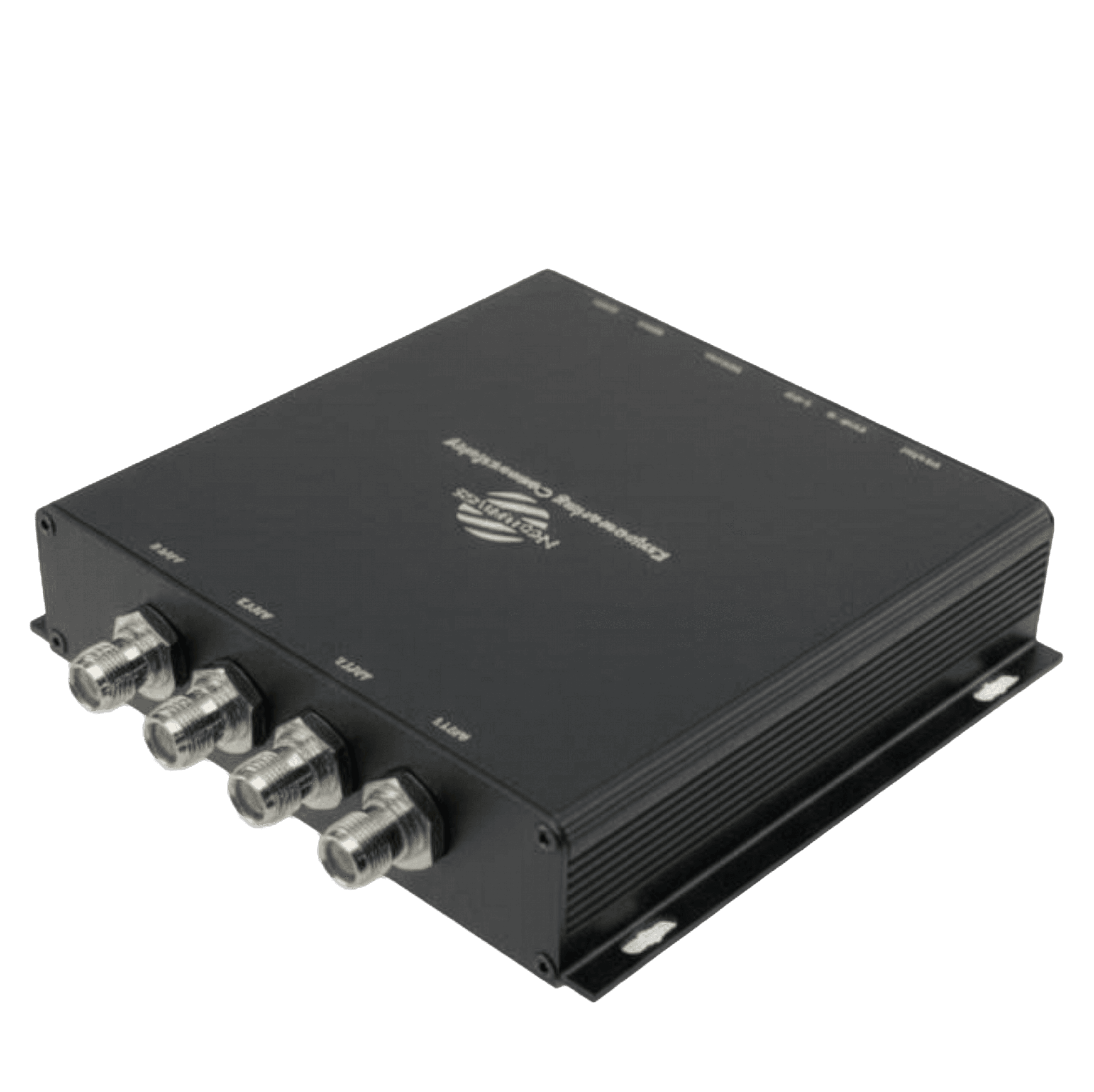
Bí ẹgbẹ́ onímọ̀ ẹ̀rọ rẹ̀ bá ń ṣàyẹ̀wò Zebra AN510, Nextwaves NR155 ń ṣàfihàn àkọ́lé amáyédẹrùn awọ̀n àgbáyé tó ga jùlọ. Àwọn ètò àtijọ́ ní àìmọ̀kan ń fa iná owó ńlá nípasẹ̀ ìdákọ̀ọ́lẹ̀ oníṣòwò àti àgbègbè sọ́fitiwia aládàáṣiṣẹ́.
Nextwaves yọ́kúrò patapata ní àìlera yìí nípa pèsè API MQTT REST àtọkànwá taara lórí ẹ̀rọ. Àwọn oníṣèdá sọ́fitiwia rẹ̀ lè ṣàkópa ìkànsí afi taara sínú ERP tàbí WMS àdáṣe rẹ̀ ní ọjọ́ díẹ̀ dipo oṣù, nípa kọ́kọ́ kọja owó ìwé àkọ́kọ́ àtìmọ́lẹ̀.
Àwọn Ìbéèrè Tó Wọ́pọ̀
Kí ni AN510?
The Zebra AN510 is an extraordinarily thin, low-profile RFID antenna engineered specifically for retail or customer-facing environments. It functions over both EU and US 902-928 MHz / 865-868 MHz bands purely as a passive broadcast plate.
Mélòó ni ètò yìí yóò ná ní ìbẹ̀rẹ̀?
Base plates retail for around $150. Total project costs spike sharply when adding low-loss specialized coaxial cables, wall mounting hardware, and the necessary standalone active interrogator required to pulse energy into the antenna.
Èéṣe tí mo fi gbọ́dọ̀ yan Nextwaves dípò?
Discrete antenna implementations demand complex RF cable routing behind walls. Nextwaves simplifies infrastructure by embedding enterprise-grade antennas directly over active logic boards powered through simple PoE.
Ṣé ohun èlò yìí le tó fún àwọn ilé ìkóhunpamọ́?
Measuring a sleek 250 x 250 x 14 mm and weighing just 0.75 kg, it is highly inconspicuous. Despite its aesthetic design, it retains a rugged IP67 rating, effectively resisting condensation, dust, and wash-downs.
Ṣé ó ṣe ìtìlẹ́yìn fún ọ̀pọ̀lọpọ̀ àwọn irúfẹ́ network?
This element has no network switch capability. It connects physically to active portal readers strictly via heavily shielded Coaxial Type N Female connections.
Ṣé àwọn ẹgbẹ́ mi lè fi èyí sori ẹrọ lábẹ́lé?
Installers affix the plate flush against retail drywall or checkout countertops. Critical setup entails tuning the external reader module to compensate for decibel signal loss propagating through the N-Type cables.
Báwo ni ìdarí latọ̀nà jíjìn ṣe ń ṣiṣẹ́?
Being purely passive, it maintains a N/A (Passive) rating. Speed metrics are governed entirely by the capacity of the master interrogator hardware managing the RF waves.
Ṣé mo nílò software àdáni láti ṣiṣẹ́ pẹ̀lú rẹ̀?
It requires absolutely no direct middleware because it operates solely as a piece of metal. Software developers must interface with the APIs exposed by the proprietary proprietary reader driving the RF signals.
Àtìlẹ́yìn wo ló wá pẹ̀lú reader náà?
Constructed to weather industrial and retail wear, its IP67 housing holds a standard one-year warranty, mainly protecting against failed interior lead soldering.
Ṣé àwọn ìmúdani náà wà ní títà lọtọ̀?
Producing approximately 5.0 dBic in Right-Hand or Left-Hand Circular polarization depending on configuration. Wide coverage over the 902-928 MHz / 865-868 MHz block ensures reliable tag illumination in chaotic zones.