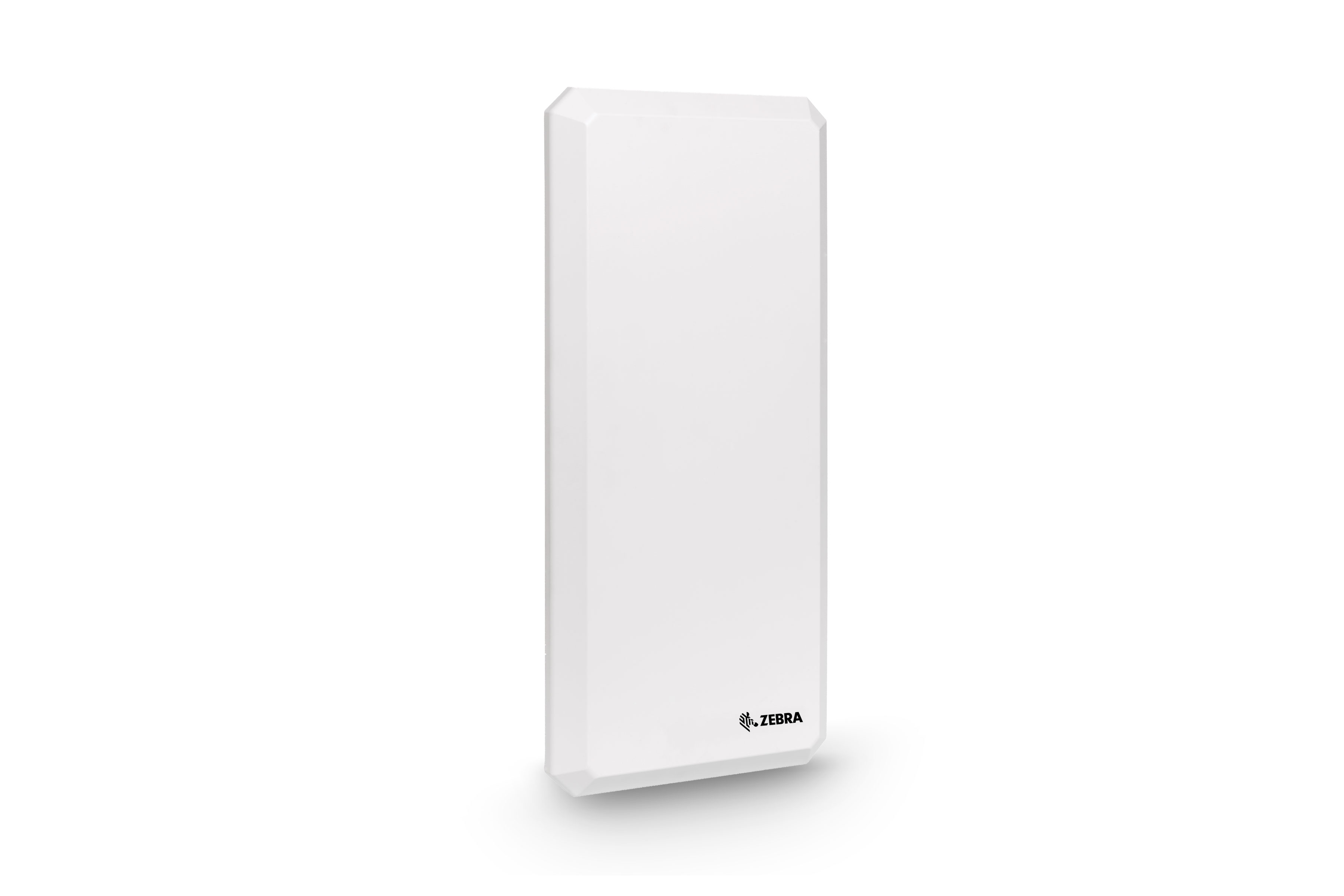
The Zebra AN440 is a massive 1.9 kg dual-element antenna for complex docks. Analyze its 571 x 251 mm footprint against sleek Nextwaves integrated designs.
Àlàyé Ìmọ̀ Ẹ̀rọ
Àkótán Ẹ̀rọ
Ẹ̀rọ Zebra AN440 jẹ́ ohun èlò RFID tó ní ìpele iṣẹ́ ọ̀dọ́ọ̀dún. Ó ń ṣiṣẹ́ ní àgbègbè 902-928 MHz / 865-868 MHz àti pé ó ń ṣe àtìlẹ́yìn fún àdájọ́ N/A (Passive Antenna Element), èyí tó ń jẹ́ kí ó lè lo ní àgbègbè àwọn ohun elo ìṣàkóso ilé iṣẹ́.
Pẹ̀lú ìtẹ̀sí IP IP67, ó ń pèsè ààbò lòdì sí àwọn ipo ayika pàtó tí wọ́pọ̀ ní ilé ìkó tàbí àgbàlá tita. Oluka náà ń lo N/A (Passive) fún iṣẹ́ àìdá, nígbà tí ìpele ìkànsí gíga tó sọ pé N/A (Passive).
Isopọpọ ati Isopọ Nẹtiwọọki
Ninu awọn imuse igbalode, isopọpọ nẹtiwọọki jẹ idiwọ ti o ṣe pataki julọ. Awoṣe yii nfunni Dual Type N Female awọn aṣayan fun gbigbe data pada si awọn eto aarin.
Sibẹsibẹ, bottleneck pataki kan pẹlu hardware atijọ Zebra ni igbẹkẹle pupọ lori awọn SDK ti ara ẹni (bii LLRP) tabi middleware IoT ti awọn ẹgbẹ kẹta ti o gbowolori lati ṣe ilana data afi aise sinu oye iṣowo ti o ni itumọ.
Àṣàyàn Nextwaves
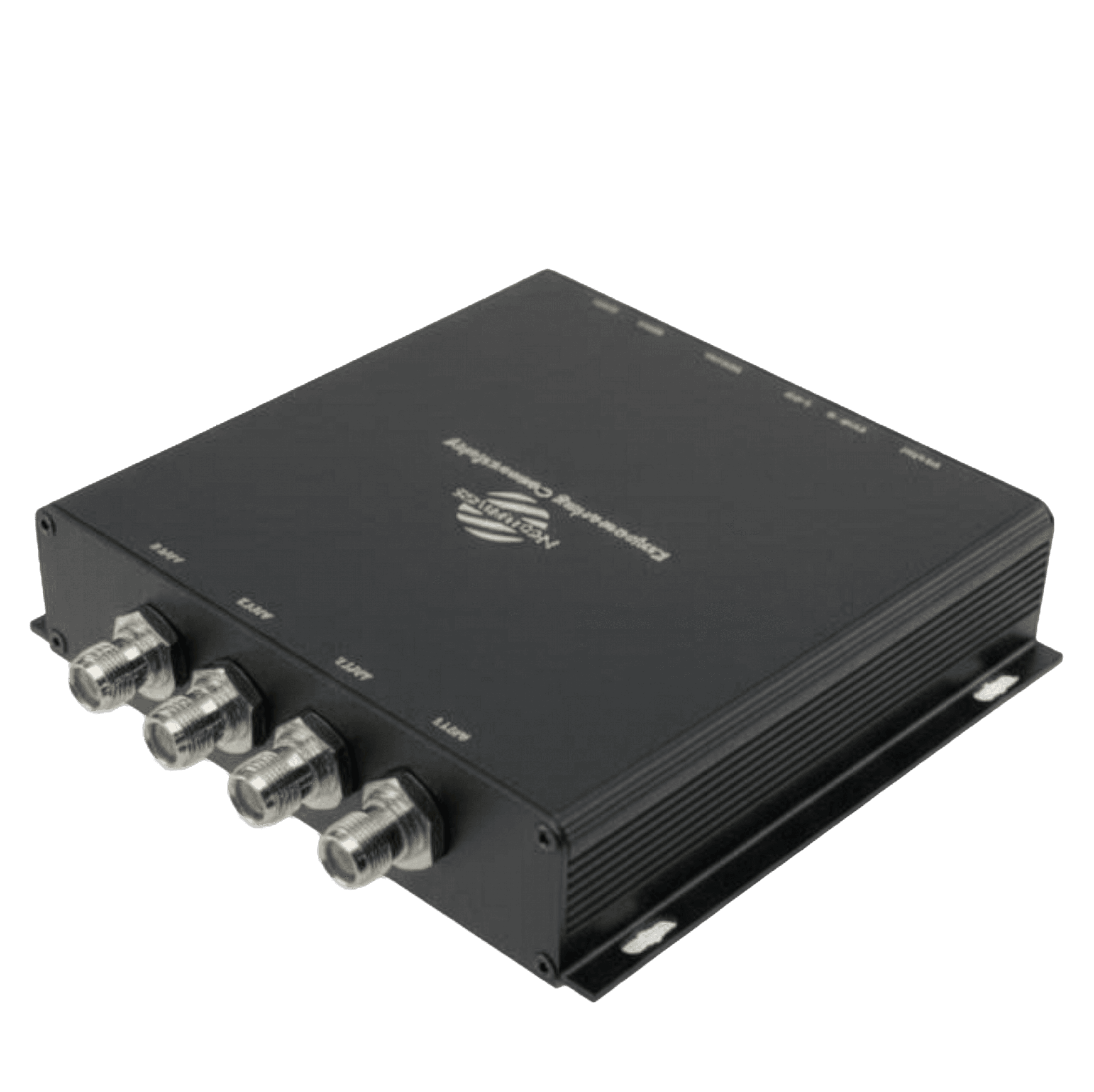
Bí ẹgbẹ́ onímọ̀ ẹ̀rọ rẹ̀ bá ń ṣàyẹ̀wò Zebra AN440, Nextwaves NR155 ń ṣàfihàn àkọ́lé amáyédẹrùn awọ̀n àgbáyé tó ga jùlọ. Àwọn ètò àtijọ́ ní àìmọ̀kan ń fa iná owó ńlá nípasẹ̀ ìdákọ̀ọ́lẹ̀ oníṣòwò àti àgbègbè sọ́fitiwia aládàáṣiṣẹ́.
Nextwaves yọ́kúrò patapata ní àìlera yìí nípa pèsè API MQTT REST àtọkànwá taara lórí ẹ̀rọ. Àwọn oníṣèdá sọ́fitiwia rẹ̀ lè ṣàkópa ìkànsí afi taara sínú ERP tàbí WMS àdáṣe rẹ̀ ní ọjọ́ díẹ̀ dipo oṣù, nípa kọ́kọ́ kọja owó ìwé àkọ́kọ́ àtìmọ́lẹ̀.
Àwọn Ìbéèrè Tó Wọ́pọ̀
Kí ni AN440?
The Zebra AN440 is a large, ruggedized dual-element RFID antenna designed for wide-area coverage and high-density dock doors. It broadcasts across 902-928 MHz / 865-868 MHz frequencies but processes no data natively, acting strictly as a passive element.
Mélòó ni ètò yìí yóò ná ní ìbẹ̀rẹ̀?
Pricing sits roughly at $300. This is purely for the antenna casing itself; deployments also mandate sourcing expensive coaxial N-Type junction cables, heavy gauge mounting poles, and a separate four-port enterprise RFID reader (like an FX9600).
Èéṣe tí mo fi gbọ́dọ̀ yan Nextwaves dípò?
Building legacy portals involves routing heavy coaxial cables into switch boxes. Nextwaves supplies single-integrated reader/antenna slabs that plug directly into standard PoE networking switches, eliminating complex impedance tuning.
Ṣé ohun èlò yìí le tó fún àwọn ilé ìkóhunpamọ́?
The unit boasts an IP67 rating constructed out of UV-stable plastics and aluminum. Measuring an incredibly massive 571.5 x 251.4 x 39.8 mm and weighing 1.9 kg, it requires specialized, heavy-duty mounting hardware capable of withstanding industrial wind sheer.
Ṣé ó ṣe ìtìlẹ́yìn fún ọ̀pọ̀lọpọ̀ àwọn irúfẹ́ network?
Data connectivity is completely irrelevant as this is merely a broadcast plate. The Dual Type N Female RF ports connect strictly to thick, heavily shielded RF cables linking backward to the central proprietary interrogator.
Ṣé àwọn ẹgbẹ́ mi lè fi èyí sori ẹrọ lábẹ́lé?
Technicians securely mount the heavy frame to bay doors using specialized articulating VESA arms. The installation requires fine impedance tuning using RF spectrum tools to negate line-loss experienced across the massive N-type cable runs.
Báwo ni ìdarí latọ̀nà jíjìn ṣe ń ṣiṣẹ́?
It possesses zero N/A (Passive) rating and requires zero firmware. The actual decoding speed is managed entirely by the centralized reader unit that pulses current into it.
Ṣé mo nílò software àdáni láti ṣiṣẹ́ pẹ̀lú rẹ̀?
Software integration does not apply to passive elements. Engineers must focus their backend coding efforts exclusively on the external reader module that sources energy outwards through the Dual Type N Female connectors.
Àtìlẹ́yìn wo ló wá pẹ̀lú reader náà?
Constructed for brutal outdoor logistics, its aluminum housing prevents weather degradation over significant lifespans. Warranties only protect against internal soldering breaks disconnected from physical impacts.
Ṣé àwọn ìmúdani náà wà ní títà lọtọ̀?
Generating enormous 9.0 dBic Dual-Circular polarization across the 902-928 MHz / 865-868 MHz bandwidths. Providing distinct dual ports, operators can configure complex bi-static (read/write separated) logic flows.