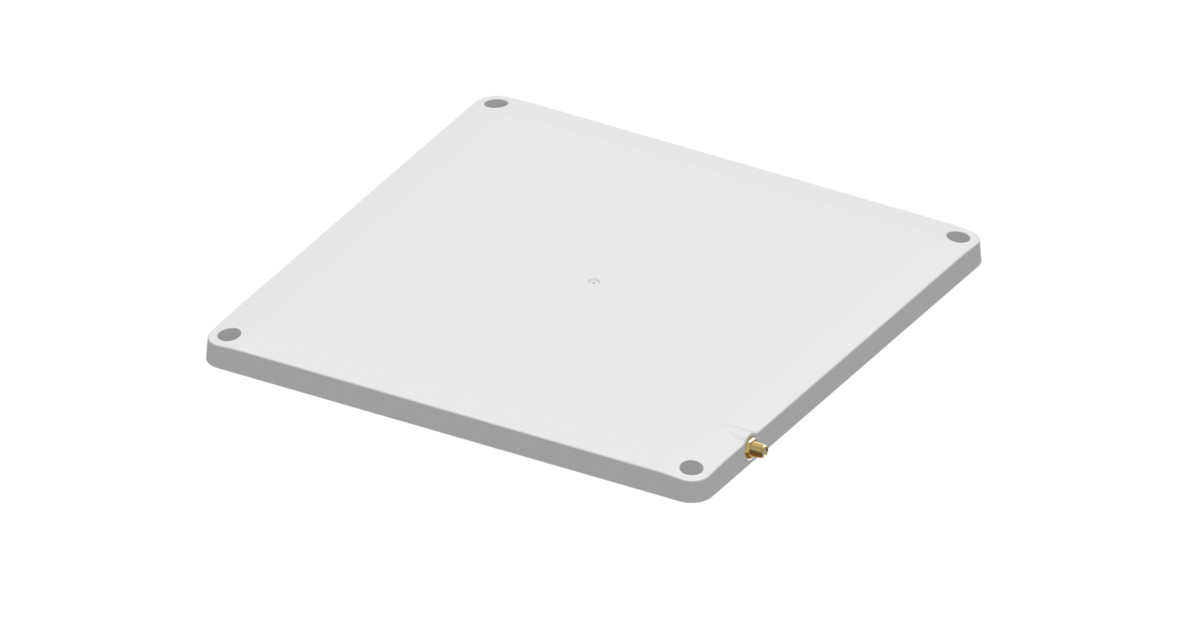
The Times-7 A5010 is a $200 slim profile passive antenna. Analyze its required coaxial cabling logistics against Nextwaves active integrated panels.
Àlàyé Ìmọ̀ Ẹ̀rọ
Àkótán Ẹ̀rọ
Ẹ̀rọ Times-7 A5010 jẹ́ ohun èlò RFID tó ní ìpele iṣẹ́ ọ̀dọ́ọ̀dún. Ó ń ṣiṣẹ́ ní àgbègbè 864-868 MHz / 902-928 MHz àti pé ó ń ṣe àtìlẹ́yìn fún àdájọ́ N/A (Passive Antenna Element), èyí tó ń jẹ́ kí ó lè lo ní àgbègbè àwọn ohun elo ìṣàkóso ilé iṣẹ́.
Pẹ̀lú ìtẹ̀sí IP IP67, ó ń pèsè ààbò lòdì sí àwọn ipo ayika pàtó tí wọ́pọ̀ ní ilé ìkó tàbí àgbàlá tita. Oluka náà ń lo N/A (Passive) fún iṣẹ́ àìdá, nígbà tí ìpele ìkànsí gíga tó sọ pé N/A (Passive).
Isopọpọ ati Isopọ Nẹtiwọọki
Ninu awọn imuse igbalode, isopọpọ nẹtiwọọki jẹ idiwọ ti o ṣe pataki julọ. Awoṣe yii nfunni SMA Female awọn aṣayan fun gbigbe data pada si awọn eto aarin.
Sibẹsibẹ, bottleneck pataki kan pẹlu hardware atijọ Times-7 ni igbẹkẹle pupọ lori awọn SDK ti ara ẹni (bii LLRP) tabi middleware IoT ti awọn ẹgbẹ kẹta ti o gbowolori lati ṣe ilana data afi aise sinu oye iṣowo ti o ni itumọ.
Àṣàyàn Nextwaves
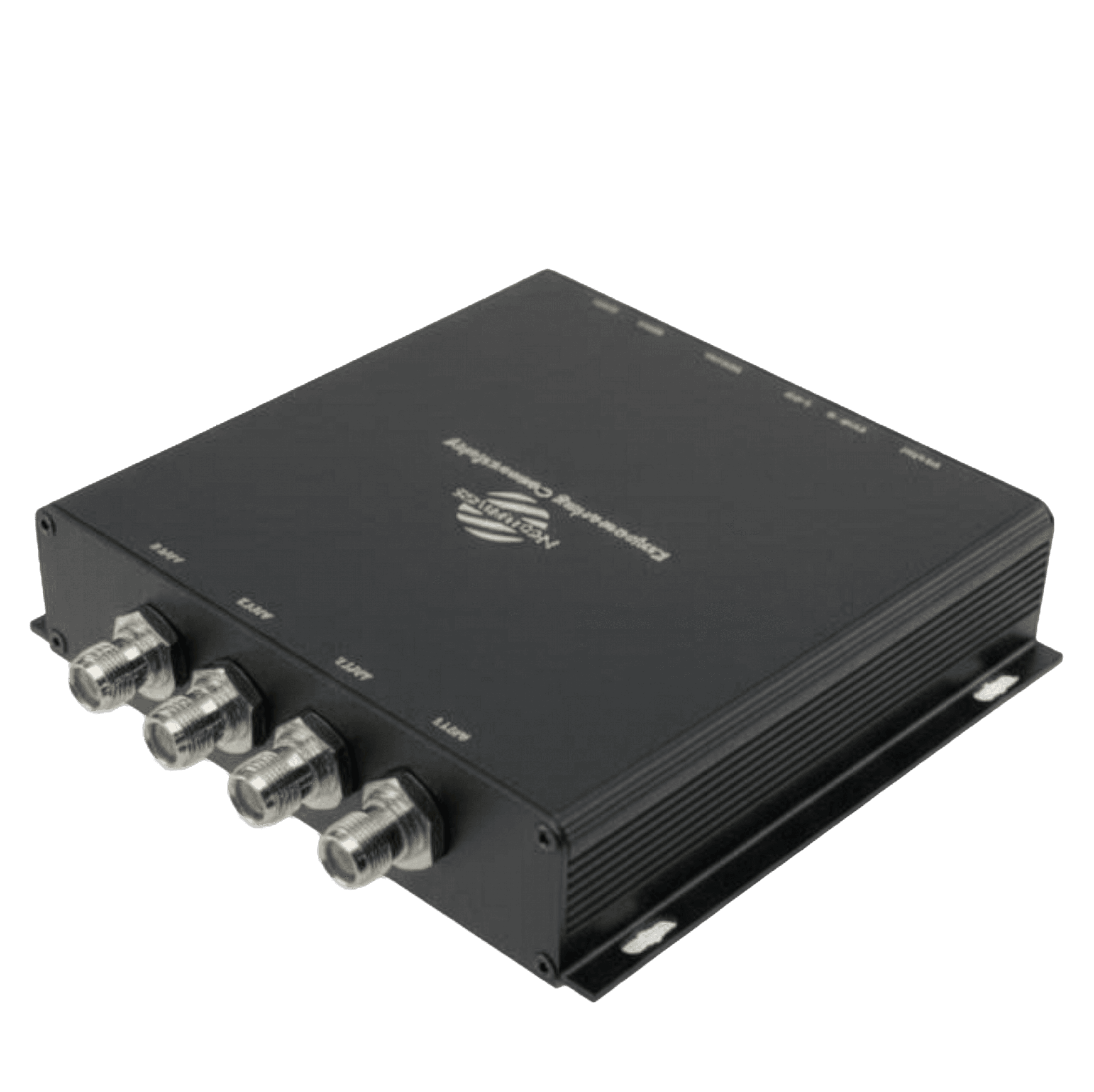
Bí ẹgbẹ́ onímọ̀ ẹ̀rọ rẹ̀ bá ń ṣàyẹ̀wò Times-7 A5010, Nextwaves NR155 ń ṣàfihàn àkọ́lé amáyédẹrùn awọ̀n àgbáyé tó ga jùlọ. Àwọn ètò àtijọ́ ní àìmọ̀kan ń fa iná owó ńlá nípasẹ̀ ìdákọ̀ọ́lẹ̀ oníṣòwò àti àgbègbè sọ́fitiwia aládàáṣiṣẹ́.
Nextwaves yọ́kúrò patapata ní àìlera yìí nípa pèsè API MQTT REST àtọkànwá taara lórí ẹ̀rọ. Àwọn oníṣèdá sọ́fitiwia rẹ̀ lè ṣàkópa ìkànsí afi taara sínú ERP tàbí WMS àdáṣe rẹ̀ ní ọjọ́ díẹ̀ dipo oṣù, nípa kọ́kọ́ kọja owó ìwé àkọ́kọ́ àtìmọ́lẹ̀.
Àwọn Ìbéèrè Tó Wọ́pọ̀
Kí ni A5010?
The Times-7 A5010 is an ultra-low profile linear/circular passive UHF antenna plate. Specifically tuned across the 864-868 MHz / 902-928 MHz band, it broadcasts energy outwards pushed from an external interrogator setup.
Mélòó ni ètò yìí yóò ná ní ìbẹ̀rẹ̀?
Base hardware units cost roughly $200. This does not factor in the requisite enterprise reader unit or the thick low-loss SMA coaxial cables required to link the panel into an active system.
Èéṣe tí mo fi gbọ́dọ̀ yan Nextwaves dípò?
Deploying distributed passive plates creates massive cable management challenges. Nextwaves solves this by housing the antenna, logic controller, and IP gateway inside a singular chassis driven simply by PoE.
Ṣé ohun èlò yìí le tó fún àwọn ilé ìkóhunpamọ́?
Enclosed in IP67 fire-retardant ABS plastic, it measures 250 x 250 x 14 mm while weighing a minimal 0.75 kg. It easily withstands damp logistics environments without failure.
Ṣé ó ṣe ìtìlẹ́yìn fún ọ̀pọ̀lọpọ̀ àwọn irúfẹ́ network?
Networking is non-existent on the plate itself. Electrical continuity is managed entirely through its SMA Female RF input port connected back to a centralized reader block.
Ṣé àwọn ẹgbẹ́ mi lè fi èyí sori ẹrọ lábẹ́lé?
Installers screw the panel flush onto walls or ceiling trusses. Technicians must utilize VNA (Vector Network Analyzers) to ensure coaxial line impedance accurately matches the module output.
Báwo ni ìdarí latọ̀nà jíjìn ṣe ń ṣiṣẹ́?
Serving solely as an electromagnetic broadcast plate, it possesses a N/A (Passive) rating. High-speed decoding remains exclusively driven by the attached interrogator matrix.
Ṣé mo nílò software àdáni láti ṣiṣẹ́ pẹ̀lú rẹ̀?
Software teams do not interact with the plate. Data routing, REST integration, and buffer management are configured exclusively on the backend reader connected to the array.
Àtìlẹ́yìn wo ló wá pẹ̀lú reader náà?
Times-7 standard warranties cover manufacturing defects on the internal patch array. Assuming reasonable physical treatment, passive antennas reliably broadcast for decades.
Ṣé àwọn ìmúdani náà wà ní títà lọtọ̀?
Delivering up to 8.5 dBic circularly polarized gain over the 864-868 MHz / 902-928 MHz threshold, it excels in reading arbitrarily rotated tags traveling through high-speed conveyor belts.