The Laird S9028PCL/PCR are $150 US-band passive antennas. Analyze required external RF reader costs vs Nextwaves monolithic standalone arrays.
Àlàyé Ìmọ̀ Ẹ̀rọ
Àkótán Ẹ̀rọ
Ẹ̀rọ Laird S9028PCL/PCR jẹ́ ohun èlò RFID tó ní ìpele iṣẹ́ ọ̀dọ́ọ̀dún. Ó ń ṣiṣẹ́ ní àgbègbè 902-928 MHz (FCC) àti pé ó ń ṣe àtìlẹ́yìn fún àdájọ́ N/A (Passive Antenna Element), èyí tó ń jẹ́ kí ó lè lo ní àgbègbè àwọn ohun elo ìṣàkóso ilé iṣẹ́.
Pẹ̀lú ìtẹ̀sí IP IP54, ó ń pèsè ààbò lòdì sí àwọn ipo ayika pàtó tí wọ́pọ̀ ní ilé ìkó tàbí àgbàlá tita. Oluka náà ń lo N/A (Passive) fún iṣẹ́ àìdá, nígbà tí ìpele ìkànsí gíga tó sọ pé N/A (Passive).
Isopọpọ ati Isopọ Nẹtiwọọki
Ninu awọn imuse igbalode, isopọpọ nẹtiwọọki jẹ idiwọ ti o ṣe pataki julọ. Awoṣe yii nfunni Coaxial Type N / SMA awọn aṣayan fun gbigbe data pada si awọn eto aarin.
Sibẹsibẹ, bottleneck pataki kan pẹlu hardware atijọ Laird ni igbẹkẹle pupọ lori awọn SDK ti ara ẹni (bii LLRP) tabi middleware IoT ti awọn ẹgbẹ kẹta ti o gbowolori lati ṣe ilana data afi aise sinu oye iṣowo ti o ni itumọ.
Àṣàyàn Nextwaves
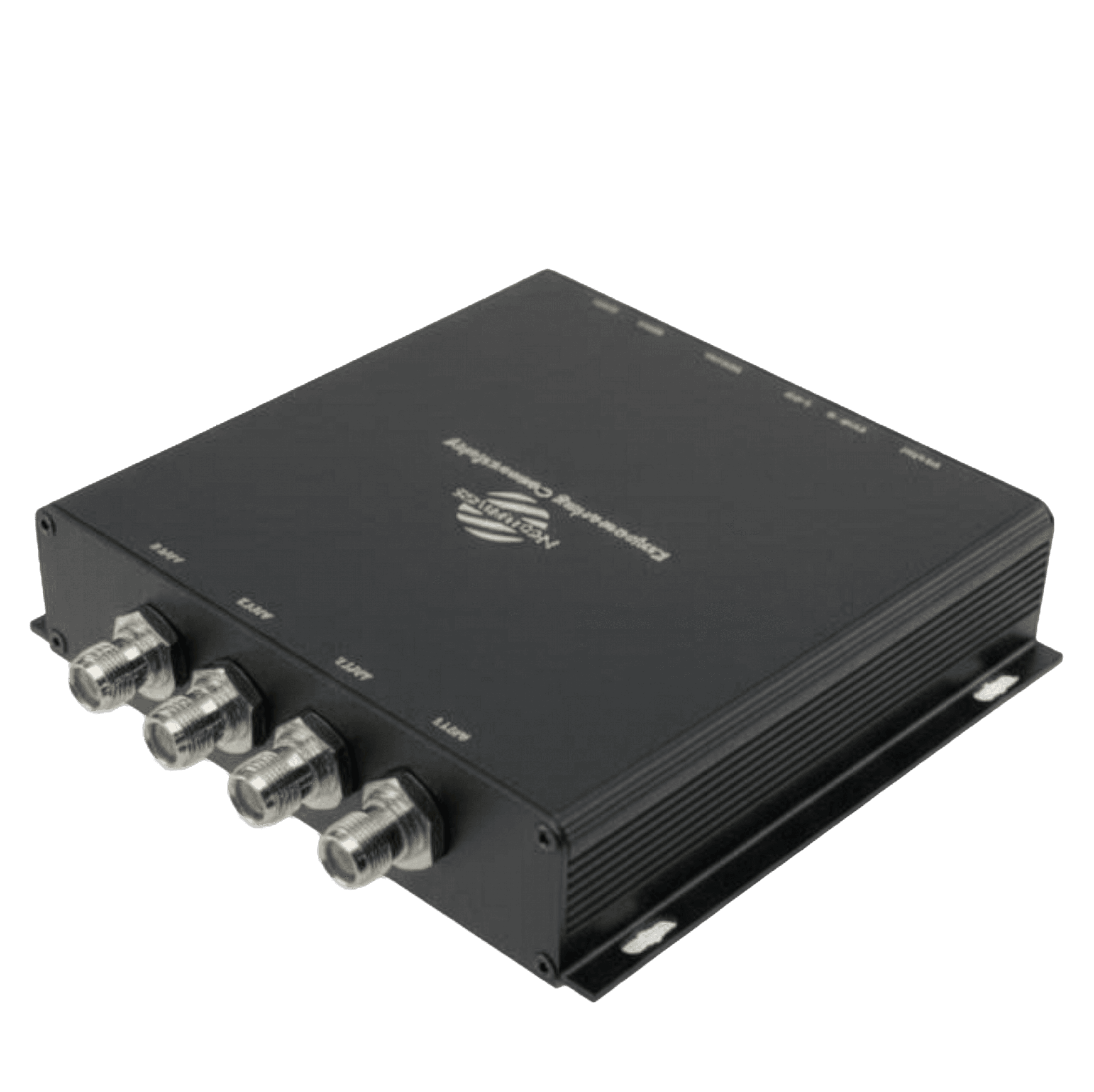
Bí ẹgbẹ́ onímọ̀ ẹ̀rọ rẹ̀ bá ń ṣàyẹ̀wò Laird S9028PCL/PCR, Nextwaves NR155 ń ṣàfihàn àkọ́lé amáyédẹrùn awọ̀n àgbáyé tó ga jùlọ. Àwọn ètò àtijọ́ ní àìmọ̀kan ń fa iná owó ńlá nípasẹ̀ ìdákọ̀ọ́lẹ̀ oníṣòwò àti àgbègbè sọ́fitiwia aládàáṣiṣẹ́.
Nextwaves yọ́kúrò patapata ní àìlera yìí nípa pèsè API MQTT REST àtọkànwá taara lórí ẹ̀rọ. Àwọn oníṣèdá sọ́fitiwia rẹ̀ lè ṣàkópa ìkànsí afi taara sínú ERP tàbí WMS àdáṣe rẹ̀ ní ọjọ́ díẹ̀ dipo oṣù, nípa kọ́kọ́ kọja owó ìwé àkọ́kọ́ àtìmọ́lẹ̀.
Àwọn Ìbéèrè Tó Wọ́pọ̀
Kí ni S9028PCL/PCR?
The Laird S9028PCL (Left-Hand) and PCR (Right-Hand) are ruggedized, circularly polarized passive antennas. Locked strictly to the 902-928 MHz (FCC) North American block, they project high-gain beams when excited by external active transceiver logic.
Mélòó ni ètò yìí yóò ná ní ìbẹ̀rẹ̀?
A raw plate costs roughly $150. Integrators assume the subsequent costs of securing high-end RF reader controllers, shielding coaxial cable trenches, and engineering the required Linux-based software routing frameworks.
Èéṣe tí mo fi gbọ́dọ̀ yan Nextwaves dípò?
Building portal chokepoints using discrete RF antennas entails painful impedance engineering. Nextwaves consolidates both the powerful RF board and the IP gateway inside one sealed panel, removing external logic entirely.
Ṣé ohun èlò yìí le tó fún àwọn ilé ìkóhunpamọ́?
Operating inside an IP54 weather-resistant shell, it measures roughly 260 x 260 x 33 mm and weighs 1.04 kg. It readily handles dense warehouse grit but lacks sealing necessary for intense wash-down cycles.
Ṣé ó ṣe ìtìlẹ́yìn fún ọ̀pọ̀lọpọ̀ àwọn irúfẹ́ network?
Network routing is completely non-applicable to physical broadcast plates. All connections occur physically over Coaxial Type N / SMA edge sockets trailing strictly back to the active master block.
Ṣé àwọn ẹgbẹ́ mi lè fi èyí sori ẹrọ lábẹ́lé?
Physical setup involves aiming the plates accurately along heavy-duty VESA arms. Network engineers must use expensive VNA spectrum analyzers to assure proper RF alignment and calculate decibel line-loss over the coaxial lengths.
Báwo ni ìdarí latọ̀nà jíjìn ṣe ń ṣiṣẹ́?
With a N/A (Passive) rating, read volumes depend exclusively upon the parent system driving the board. Expanding throughput necessitates replacing the parent reader matrix, not the passive plate itself.
Ṣé mo nílò software àdáni láti ṣiṣẹ́ pẹ̀lú rẹ̀?
There is zero software logic present. Programmatic interfaces must be directed towards the SDKs controlling the central interrogator box supplying current through the coaxial leads.
Àtìlẹ́yìn wo ló wá pẹ̀lú reader náà?
Like most large passive elements, the rugged fiberglass radome shields the array components securely, offering standard 1-year defenses against purely manufacturing-related breakage.
Ṣé àwọn ìmúdani náà wà ní títà lọtọ̀?
Pushing an aggressive 8.5 dBic output, operators typically alternate Left and Right Hand (PCL/PCR) models on opposing portal walls across the 902-928 MHz (FCC) band to destroy complex multipath nulls.