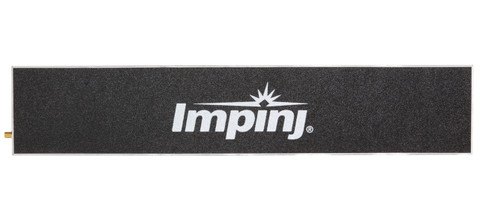
The Impinj Threshold (LP) is a $100 passive floor mat element. Review the constraints of passive mat deployments against active wide-area ceiling nets.
Àlàyé Ìmọ̀ Ẹ̀rọ
Àkótán Ẹ̀rọ
Ẹ̀rọ Impinj Threshold (LP) jẹ́ ohun èlò RFID tó ní ìpele iṣẹ́ ọ̀dọ́ọ̀dún. Ó ń ṣiṣẹ́ ní àgbègbè 902-928 MHz (FCC) àti pé ó ń ṣe àtìlẹ́yìn fún àdájọ́ N/A (Passive Antenna Element), èyí tó ń jẹ́ kí ó lè lo ní àgbègbè àwọn ohun elo ìṣàkóso ilé iṣẹ́.
Pẹ̀lú ìtẹ̀sí IP IP54 (Estimated), ó ń pèsè ààbò lòdì sí àwọn ipo ayika pàtó tí wọ́pọ̀ ní ilé ìkó tàbí àgbàlá tita. Oluka náà ń lo N/A (Passive) fún iṣẹ́ àìdá, nígbà tí ìpele ìkànsí gíga tó sọ pé N/A (Passive).
Isopọpọ ati Isopọ Nẹtiwọọki
Ninu awọn imuse igbalode, isopọpọ nẹtiwọọki jẹ idiwọ ti o ṣe pataki julọ. Awoṣe yii nfunni SMA Female awọn aṣayan fun gbigbe data pada si awọn eto aarin.
Sibẹsibẹ, bottleneck pataki kan pẹlu hardware atijọ Impinj ni igbẹkẹle pupọ lori awọn SDK ti ara ẹni (bii LLRP) tabi middleware IoT ti awọn ẹgbẹ kẹta ti o gbowolori lati ṣe ilana data afi aise sinu oye iṣowo ti o ni itumọ.
Àṣàyàn Nextwaves
Bí ẹgbẹ́ onímọ̀ ẹ̀rọ rẹ̀ bá ń ṣàyẹ̀wò Impinj Threshold (LP), Nextwaves NR155 ń ṣàfihàn àkọ́lé amáyédẹrùn awọ̀n àgbáyé tó ga jùlọ. Àwọn ètò àtijọ́ ní àìmọ̀kan ń fa iná owó ńlá nípasẹ̀ ìdákọ̀ọ́lẹ̀ oníṣòwò àti àgbègbè sọ́fitiwia aládàáṣiṣẹ́.
Nextwaves yọ́kúrò patapata ní àìlera yìí nípa pèsè API MQTT REST àtọkànwá taara lórí ẹ̀rọ. Àwọn oníṣèdá sọ́fitiwia rẹ̀ lè ṣàkópa ìkànsí afi taara sínú ERP tàbí WMS àdáṣe rẹ̀ ní ọjọ́ díẹ̀ dipo oṣù, nípa kọ́kọ́ kọja owó ìwé àkọ́kọ́ àtìmọ́lẹ̀.

Àwọn Ìbéèrè Tó Wọ́pọ̀
Kí ni Threshold (LP)?
The Impinj Threshold (LP) is a low-profile, long passive strip antenna designed to lie flat under floor mats or across doorways. Broadcasting specifically across 902-928 MHz (FCC) bandwidths, it sweeps items passing physically across its horizontal axis.
Mélòó ni ètò yìí yóò ná ní ìbẹ̀rẹ̀?
Costing around $100 per strip, real-world deployment requires wiring several Thresholds in parallel back to an active Impinj R700 or Speedway reader box, alongside all associated RF multiplexers and coaxial leads.
Èéṣe tí mo fi gbọ́dọ̀ yan Nextwaves dípò?
Spreading multiple passive floor strips forces complex coaxial line balancing. Nextwaves utilizes an overhead active array strategy, replacing complex floor sensors with a single intelligent wide-beam ceiling node dropping direct to Ethernet.
Ṣé ohun èlò yìí le tó fún àwọn ilé ìkóhunpamọ́?
The highly specialized 914 x 150 x 15 mm form factor weighs only 0.68 kg. Intended to slide into chamfered floor tracks or under heavy matting, its exact IP rating is unspecified but demands protection from direct floor liquids.
Ṣé ó ṣe ìtìlẹ́yìn fún ọ̀pọ̀lọpọ̀ àwọn irúfẹ́ network?
There is no network gateway onboard the strip. All logical routing occurs exclusively by securing its SMA port via coaxial cable to an external active interrogator machine.
Ṣé àwọn ẹgbẹ́ mi lè fi èyí sori ẹrọ lábẹ́lé?
Floor mounting requires careful routing of the SMA coax under the threshold plate. IT members must ensure passing foot traffic does not crush the shielded RF line connecting back to the control closet.
Báwo ni ìdarí latọ̀nà jíjìn ṣe ń ṣiṣẹ́?
Regulated entirely by external power logic, its metric reads N/A (Passive). The capacity to register hundreds of passing runners or assets depends strictly on the Impinj reader running the array.
Ṣé mo nílò software àdáni láti ṣiṣẹ́ pẹ̀lú rẹ̀?
Software developers do not interface with the plate. The Impinj ItemSense middleware or native LLRP stream connecting to the central Speedway box handles all actual EPC aggregations.
Àtìlẹ́yìn wo ló wá pẹ̀lú reader náà?
As a strictly passive internal patch with protective coating, Impinj covers standard factory defects. Its lifespan is directly correlated to how well it is physically shielded against heavy footway or pallet compressions.
Ṣé àwọn ìmúdani náà wà ní títà lọtọ̀?
It generates a highly unique 'planar' field across the 902-928 MHz (FCC) block. Emitting approximately 5.0 dBi linearly, it is fiercely effective for assets specifically passing directly over the strip threshold line.