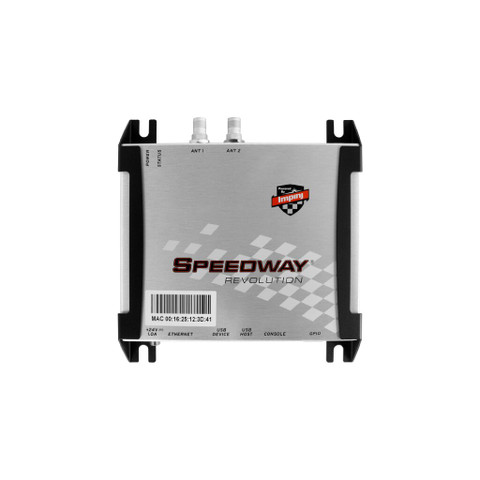
The Impinj R220 Speedway is a mid-tier 2-port fixed RFID reader operating on 860-960 MHz. It maxes out at 200 tags per second. See how it compares to modern Nextwaves alternatives.
Àlàyé Ìmọ̀ Ẹ̀rọ
Àkótán Ẹ̀rọ
Ẹ̀rọ Impinj R220 (Speedway) jẹ́ ohun èlò RFID tó ní ìpele iṣẹ́ ọ̀dọ́ọ̀dún. Ó ń ṣiṣẹ́ ní àgbègbè 860-960 MHz àti pé ó ń ṣe àtìlẹ́yìn fún àdájọ́ EPCglobal UHF Class 1 Gen 2 / ISO 18000-6C, èyí tó ń jẹ́ kí ó lè lo ní àgbègbè àwọn ohun elo ìṣàkóso ilé iṣẹ́.
Pẹ̀lú ìtẹ̀sí IP IP52, ó ń pèsè ààbò lòdì sí àwọn ipo ayika pàtó tí wọ́pọ̀ ní ilé ìkó tàbí àgbàlá tita. Oluka náà ń lo PoE (IEEE 802.3af), +24Vdc AC Adapter fún iṣẹ́ àìdá, nígbà tí ìpele ìkànsí gíga tó sọ pé 200 tags/second.
Isopọpọ ati Isopọ Nẹtiwọọki
Ninu awọn imuse igbalode, isopọpọ nẹtiwọọki jẹ idiwọ ti o ṣe pataki julọ. Awoṣe yii nfunni Ethernet, RS-232, USB, GPIO awọn aṣayan fun gbigbe data pada si awọn eto aarin.
Sibẹsibẹ, bottleneck pataki kan pẹlu hardware atijọ Impinj ni igbẹkẹle pupọ lori awọn SDK ti ara ẹni (bii LLRP) tabi middleware IoT ti awọn ẹgbẹ kẹta ti o gbowolori lati ṣe ilana data afi aise sinu oye iṣowo ti o ni itumọ.
Àṣàyàn Nextwaves
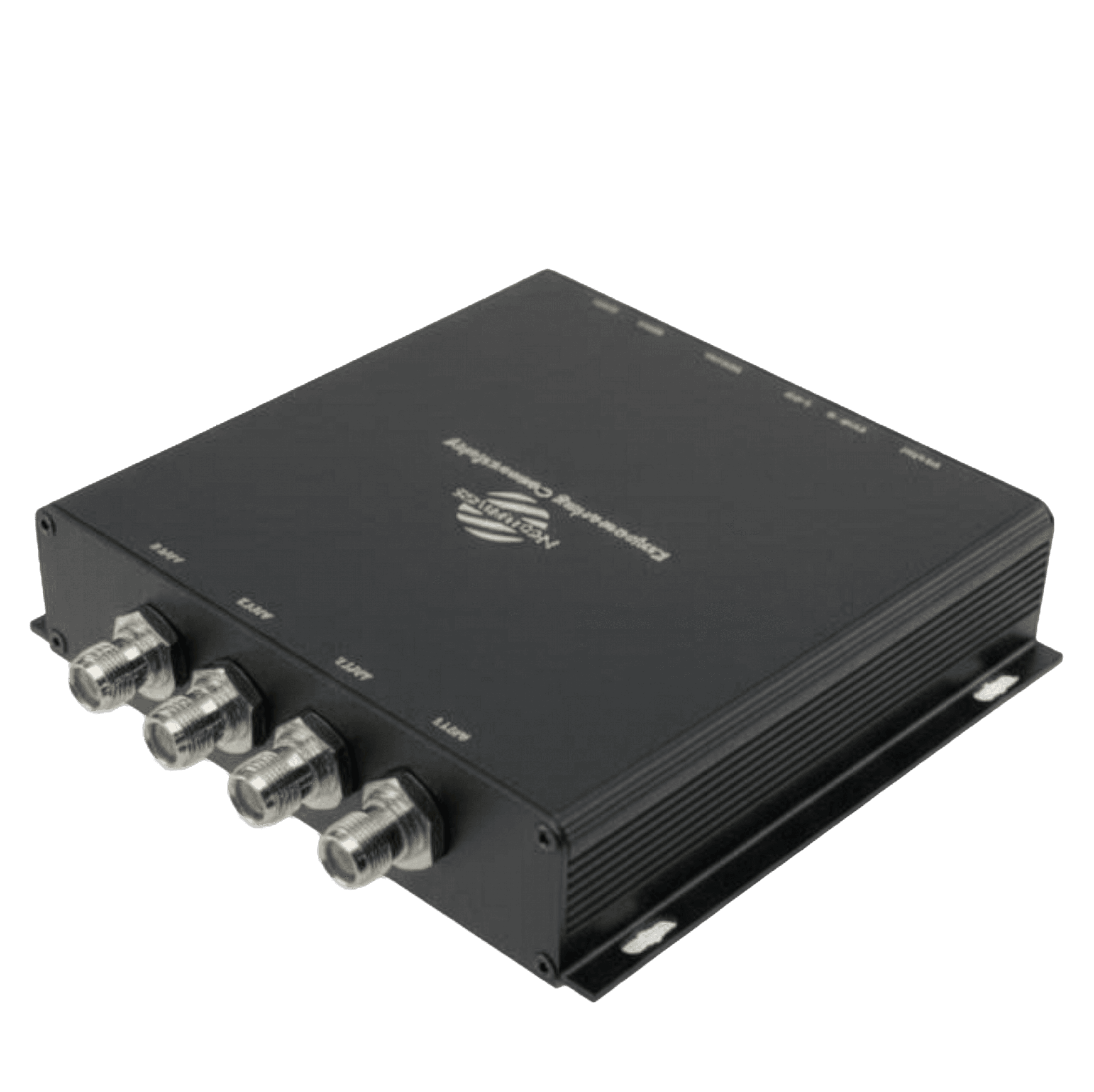
Bí ẹgbẹ́ onímọ̀ ẹ̀rọ rẹ̀ bá ń ṣàyẹ̀wò Impinj R220 (Speedway), Nextwaves NR155 ń ṣàfihàn àkọ́lé amáyédẹrùn awọ̀n àgbáyé tó ga jùlọ. Àwọn ètò àtijọ́ ní àìmọ̀kan ń fa iná owó ńlá nípasẹ̀ ìdákọ̀ọ́lẹ̀ oníṣòwò àti àgbègbè sọ́fitiwia aládàáṣiṣẹ́.
Nextwaves yọ́kúrò patapata ní àìlera yìí nípa pèsè API MQTT REST àtọkànwá taara lórí ẹ̀rọ. Àwọn oníṣèdá sọ́fitiwia rẹ̀ lè ṣàkópa ìkànsí afi taara sínú ERP tàbí WMS àdáṣe rẹ̀ ní ọjọ́ díẹ̀ dipo oṣù, nípa kọ́kọ́ kọja owó ìwé àkọ́kọ́ àtìmọ́lẹ̀.
Àwọn Ìbéèrè Tó Wọ́pọ̀
Kí ni R220 (Speedway)?
The Impinj R220 Speedway is a 2-port fixed UHF RFID reader designed for small to medium-scale deployments. It utilizes Impinj's Autopilot technology to automatically optimize its performance based on environmental RF noise.
Mélòó ni ètò yìí yóò ná ní ìbẹ̀rẹ̀?
The base reader typically retails around $800. Keep in mind this does not include the cost of external RP-TNC antennas, antenna cables, power supplies, or any required enterprise middleware software.
Èéṣe tí mo fi gbọ́dọ̀ yan Nextwaves dípò?
Nextwaves offers standard REST API and MQTT endpoints right on the device. Instead of wrestling with low-level LLRP commands or paying for expensive third-party middleware, your team can integrate RFID data directly into modern web stacks.
Ṣé ohun èlò yìí le tó fún àwọn ilé ìkóhunpamọ́?
The R220 carries an IP52 rating. This means it offers protection against dust and vertically dripping water, but it is not fully weatherproof. It is best suited for indoor, climate-controlled environments like retail stores or clean warehouses.
Ṣé ó ṣe ìtìlẹ́yìn fún ọ̀pọ̀lọpọ̀ àwọn irúfẹ́ network?
The reader provides standard 10/100BASE-T Ethernet and RS-232 serial ports. It also supports Power over Ethernet (PoE), which simplifies cabling by delivering both data and power over a single Cat5/Cat6 cable.
Ṣé àwọn ẹgbẹ́ mi lè fi èyí sori ẹrọ lábẹ́lé?
Physical mounting is straightforward with standard brackets, but software integration typically requires developers familiar with the LLRP protocol or proprietary Impinj SDKs (Octane). It's not a plug-and-play solution for standard web developers.
Báwo ni ìdarí latọ̀nà jíjìn ṣe ń ṣiṣẹ́?
Network administrators typically manage the R220 through Impinj's ItemTest software or custom SNMP tools. Firmware updates and health monitoring must be handled via these specific interfaces.
Ṣé mo nílò software àdáni láti ṣiṣẹ́ pẹ̀lú rẹ̀?
While it supports LLRP, most enterprise deployments end up licensing specialized middleware to translate the raw RFID reads into meaningful business events to integrate with WMS or ERP systems.
Àtìlẹ́yìn wo ló wá pẹ̀lú reader náà?
Impinj provides a standard one-year hardware warranty. Extended service contracts are available for purchase but will increase your overall Total Cost of Ownership (TCO) across a fleet of devices.
Ṣé àwọn ìmúdani náà wà ní títà lọtọ̀?
Yes, the R220 requires external antennas. It features two monostatic RP-TNC antenna ports. Selecting the correct far-field or near-field antennas based on your specific use case is the hardest part of the physical setup.