The Honeywell IH21 operates over Bluetooth 4.2 protocols. For $900 MSRP, compare its tethered architecture against Nextwaves integrated cloud terminals.
Àlàyé Ìmọ̀ Ẹ̀rọ
Àkótán Ẹ̀rọ
Ẹ̀rọ Honeywell IH21 jẹ́ ohun èlò RFID tó ní ìpele iṣẹ́ ọ̀dọ́ọ̀dún. Ó ń ṣiṣẹ́ ní àgbègbè 865-868 MHz / 902-928 MHz àti pé ó ń ṣe àtìlẹ́yìn fún àdájọ́ EPC Gen2, èyí tó ń jẹ́ kí ó lè lo ní àgbègbè àwọn ohun elo ìṣàkóso ilé iṣẹ́.
Pẹ̀lú ìtẹ̀sí IP IP54, ó ń pèsè ààbò lòdì sí àwọn ipo ayika pàtó tí wọ́pọ̀ ní ilé ìkó tàbí àgbàlá tita. Oluka náà ń lo Li-Poly 4.2V 2200mAh fún iṣẹ́ àìdá, nígbà tí ìpele ìkànsí gíga tó sọ pé standard read rates.
Isopọpọ ati Isopọ Nẹtiwọọki
Ninu awọn imuse igbalode, isopọpọ nẹtiwọọki jẹ idiwọ ti o ṣe pataki julọ. Awoṣe yii nfunni Bluetooth 4.2 awọn aṣayan fun gbigbe data pada si awọn eto aarin.
Sibẹsibẹ, bottleneck pataki kan pẹlu hardware atijọ Honeywell ni igbẹkẹle pupọ lori awọn SDK ti ara ẹni (bii LLRP) tabi middleware IoT ti awọn ẹgbẹ kẹta ti o gbowolori lati ṣe ilana data afi aise sinu oye iṣowo ti o ni itumọ.
Àṣàyàn Nextwaves
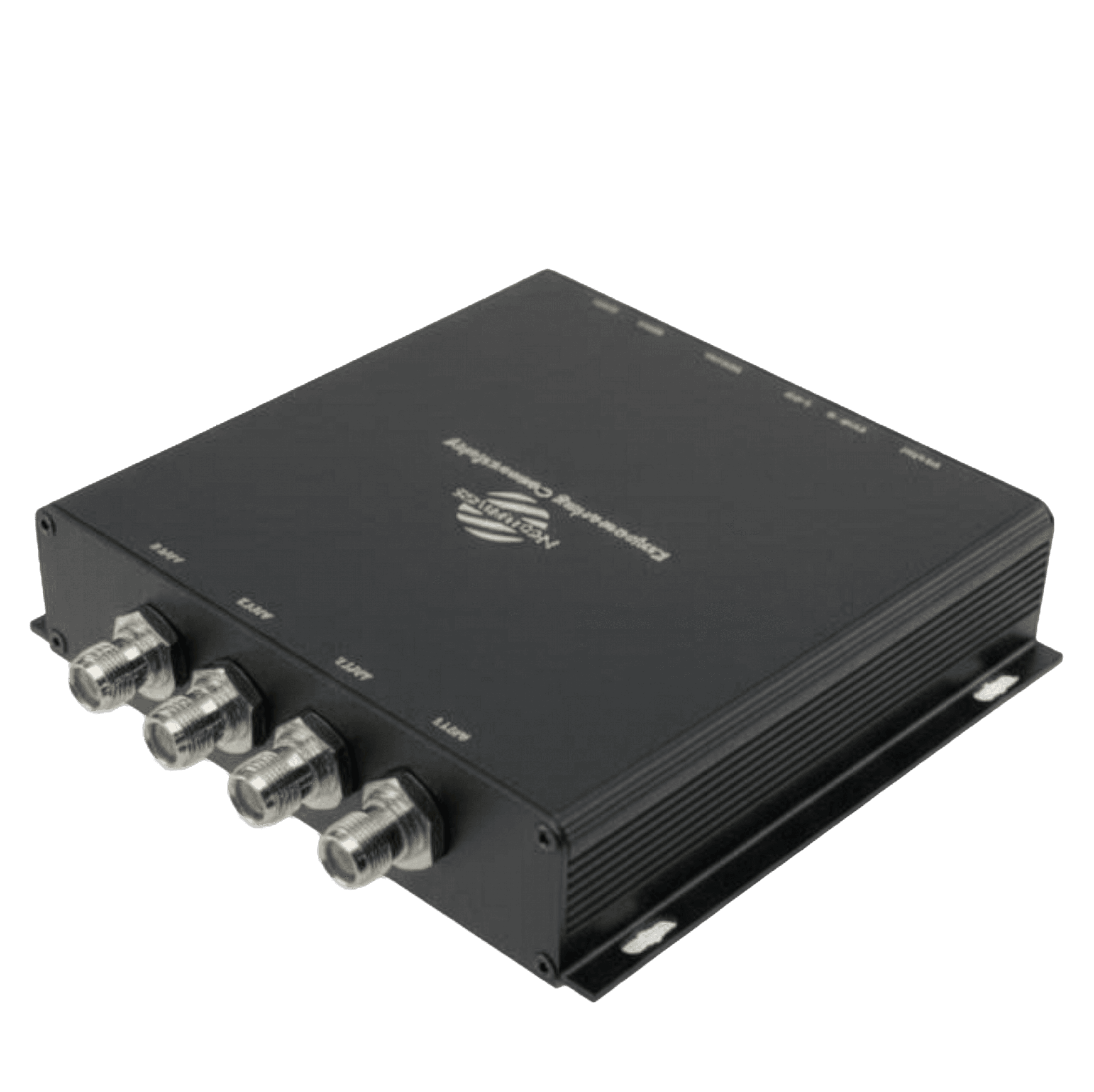
Bí ẹgbẹ́ onímọ̀ ẹ̀rọ rẹ̀ bá ń ṣàyẹ̀wò Honeywell IH21, Nextwaves NR155 ń ṣàfihàn àkọ́lé amáyédẹrùn awọ̀n àgbáyé tó ga jùlọ. Àwọn ètò àtijọ́ ní àìmọ̀kan ń fa iná owó ńlá nípasẹ̀ ìdákọ̀ọ́lẹ̀ oníṣòwò àti àgbègbè sọ́fitiwia aládàáṣiṣẹ́.
Nextwaves yọ́kúrò patapata ní àìlera yìí nípa pèsè API MQTT REST àtọkànwá taara lórí ẹ̀rọ. Àwọn oníṣèdá sọ́fitiwia rẹ̀ lè ṣàkópa ìkànsí afi taara sínú ERP tàbí WMS àdáṣe rẹ̀ ní ọjọ́ díẹ̀ dipo oṣù, nípa kọ́kọ́ kọja owó ìwé àkọ́kọ́ àtìmọ́lẹ̀.
Àwọn Ìbéèrè Tó Wọ́pọ̀
Kí ni IH21?
The Honeywell IH21 is a discontinued Bluetooth UHF RFID sled. It supported legacy EPC Gen2 reading over the 865-868 MHz / 902-928 MHz blocks, enabling mobile data collection primarily for the Dolphin 75e and CT40 mobile computers.
Mélòó ni ètò yìí yóò ná ní ìbẹ̀rẹ̀?
Historically priced at $900, businesses also had to procure specialized eConnex brackets, Li-Poly 4.2V 2200mAh batteries, and the specific legacy Honeywell host device.
Èéṣe tí mo fi gbọ́dọ̀ yan Nextwaves dípò?
Nextwaves hardware features embedded connectivity processors. By leveraging native REST and MQTT nodes directly on the interrogator, developers bypass Bluetooth translation latency entirely.
Ṣé ohun èlò yìí le tó fún àwọn ilé ìkóhunpamọ́?
Weighing 365 g (without mobile) with dimensions of 160 x 77 x 175 mm, the terminal met an IP54 standard, shielding it from standard warehousing dust but lacking resilience against driving rain or deep freezing environments.
Ṣé ó ṣe ìtìlẹ́yìn fún ọ̀pọ̀lọpọ̀ àwọn irúfẹ́ network?
The single data link path was through Bluetooth 4.2. Secure network encryption and enterprise connectivity ultimately relied on the paired host Android device rather than the sled's subcomponents.
Ṣé àwọn ẹgbẹ́ mi lè fi èyí sori ẹrọ lábẹ́lé?
Pairing demanded the operator lock the smartphone into the mounting rail. The mobile app utilized the Honeywell SDK to initiate RF bursts across the BLE connection whenever the mechanical trigger was depressed.
Báwo ni ìdarí latọ̀nà jíjìn ṣe ń ṣiṣẹ́?
The architecture was generally capable of standard read rates. Firmware administration and basic diagnostics required a physical USB connection or updates piped through the connected smartphone utility.
Ṣé mo nílò software àdáni láti ṣiṣẹ́ pẹ̀lú rẹ̀?
Integration involved building custom native Java/Android middleware capable of sustaining the Bluetooth 4.2 handshake and mapping the resultant hex reads into your proprietary databases.
Àtìlẹ́yìn wo ló wá pẹ̀lú reader náà?
As a legacy device, securing valid replacement components or manufacturer warranties is incredibly difficult, forcing many logistics operators to pursue total system lifecycle upgrades.
Ṣé àwọn ìmúdani náà wà ní títà lọtọ̀?
A standard circular polarized internal antenna mapped the field over the 865-868 MHz / 902-928 MHz frequencies. Field effectiveness dropped significantly as the Li-Poly battery reached below 20% voltage.