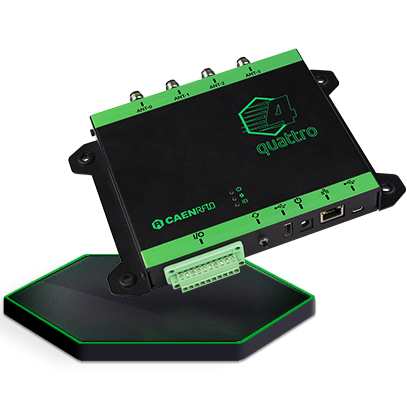
The CAEN RFID Quattro is a 4-port reader for indoor retail or smart cabinets. Compare its $1000 MSRP and specs to Nextwaves REST API controllers.
Àlàyé Ìmọ̀ Ẹ̀rọ
Àkótán Ẹ̀rọ
Ẹ̀rọ CAEN RFID Quattro (R4321P) jẹ́ ohun èlò RFID tó ní ìpele iṣẹ́ ọ̀dọ́ọ̀dún. Ó ń ṣiṣẹ́ ní àgbègbè 865.6-867.6 MHz (ETSI) / 902-928 MHz (FCC) àti pé ó ń ṣe àtìlẹ́yìn fún àdájọ́ EPC C1 G2, ISO 18000-63, èyí tó ń jẹ́ kí ó lè lo ní àgbègbè àwọn ohun elo ìṣàkóso ilé iṣẹ́.
Pẹ̀lú ìtẹ̀sí IP IP30, ó ń pèsè ààbò lòdì sí àwọn ipo ayika pàtó tí wọ́pọ̀ ní ilé ìkó tàbí àgbàlá tita. Oluka náà ń lo 5V DC or PoE (802.3af) fún iṣẹ́ àìdá, nígbà tí ìpele ìkànsí gíga tó sọ pé Up to 400 Kb/s.
Isopọpọ ati Isopọ Nẹtiwọọki
Ninu awọn imuse igbalode, isopọpọ nẹtiwọọki jẹ idiwọ ti o ṣe pataki julọ. Awoṣe yii nfunni Ethernet (PoE), USB, GPIO awọn aṣayan fun gbigbe data pada si awọn eto aarin.
Sibẹsibẹ, bottleneck pataki kan pẹlu hardware atijọ CAEN RFID ni igbẹkẹle pupọ lori awọn SDK ti ara ẹni (bii LLRP) tabi middleware IoT ti awọn ẹgbẹ kẹta ti o gbowolori lati ṣe ilana data afi aise sinu oye iṣowo ti o ni itumọ.
Àṣàyàn Nextwaves
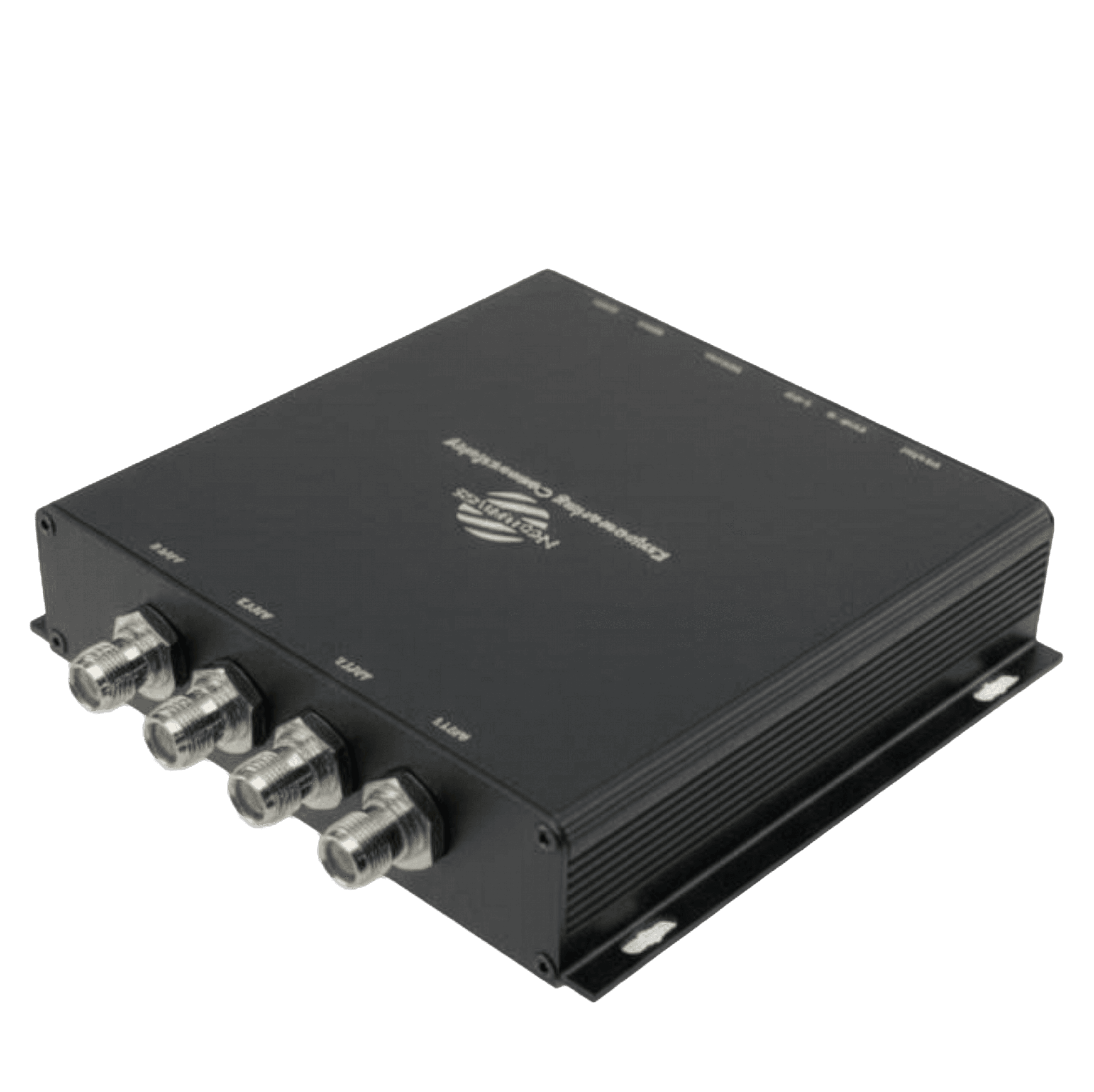
Bí ẹgbẹ́ onímọ̀ ẹ̀rọ rẹ̀ bá ń ṣàyẹ̀wò CAEN RFID Quattro (R4321P), Nextwaves NR155 ń ṣàfihàn àkọ́lé amáyédẹrùn awọ̀n àgbáyé tó ga jùlọ. Àwọn ètò àtijọ́ ní àìmọ̀kan ń fa iná owó ńlá nípasẹ̀ ìdákọ̀ọ́lẹ̀ oníṣòwò àti àgbègbè sọ́fitiwia aládàáṣiṣẹ́.
Nextwaves yọ́kúrò patapata ní àìlera yìí nípa pèsè API MQTT REST àtọkànwá taara lórí ẹ̀rọ. Àwọn oníṣèdá sọ́fitiwia rẹ̀ lè ṣàkópa ìkànsí afi taara sínú ERP tàbí WMS àdáṣe rẹ̀ ní ọjọ́ díẹ̀ dipo oṣù, nípa kọ́kọ́ kọja owó ìwé àkọ́kọ́ àtìmọ́lẹ̀.
Àwọn Ìbéèrè Tó Wọ́pọ̀
Kí ni Quattro (R4321P)?
The CAEN RFID Quattro (R4321P) is a compact, stationary EPC C1 G2, ISO 18000-63 RFID reader. Operating on the 865.6-867.6 MHz (ETSI) / 902-928 MHz (FCC) frequency bands, it is primarily intended for indoor smart cabinet or point-of-sale integration.
Mélòó ni ètò yìí yóò ná ní ìbẹ̀rẹ̀?
The base hardware cost is generally around $1000. A full deployment budget must include up to 4 external antennas, MMCX cables, and 5V DC or PoE (802.3af) networking switching gear.
Èéṣe tí mo fi gbọ́dọ̀ yan Nextwaves dípò?
Nextwaves maintains an open-architecture approach. Our devices embed MQTT and REST API endpoints natively, allowing developers to query state directly without licensing third-party IoT middleware.
Ṣé ohun èlò yìí le tó fún àwọn ilé ìkóhunpamọ́?
The sleek casing weighs 740 g and has dimensions of 210 x 140 x 27 mm. With an indoor-only IP30 rating, it provides minimal durability against environmental ingress and must be kept away from splashing water.
Ṣé ó ṣe ìtìlẹ́yìn fún ọ̀pọ̀lọpọ̀ àwọn irúfẹ́ network?
Network connectivity is established through its Ethernet (PoE), USB, GPIO ports. While typical IT protocols provide baseline security, segregating RFID hardware on dedicated LAN subnets is heavily recommended.
Ṣé àwọn ẹgbẹ́ mi lè fi èyí sori ẹrọ lábẹ́lé?
Physical mounting utilizes standard flush brackets. To guarantee accuracy, RF transmission settings and dense-interrogator modes must be calibrated to your facility's indoor interference profile.
Báwo ni ìdarí latọ̀nà jíjìn ṣe ń ṣiṣẹ́?
Under optimal lab conditions, the hardware supports data link rates Up to 400 Kb/s. Firmware and configuration updates are traditionally compiled against the CAEN RFID API.
Ṣé mo nílò software àdáni láti ṣiṣẹ́ pẹ̀lú rẹ̀?
Bridging tag data from the Ethernet (PoE), USB, GPIO interfaces to cloud CRMs or ERPs usually requires intermediate C/C++ polling software, which introduces legacy code overhead.
Àtìlẹ́yìn wo ló wá pẹ̀lú reader náà?
The manufacturer generally backs the hardware with a standard one-year warranty. Integrators often suggest purchasing extended technical agreements for scaled rollouts.
Ṣé àwọn ìmúdani náà wà ní títà lọtọ̀?
External near-field or far-field antennas are required to establish the RF portal. Antenna polarization must be carefully selected across the 865.6-867.6 MHz (ETSI) / 902-928 MHz (FCC) band.