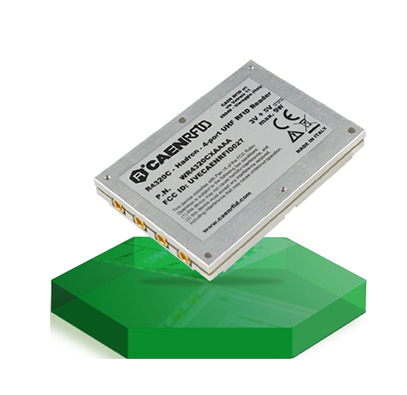
The CAEN Hadron module utilizes UART interfaces priced at $200. Learn how custom carrier board engineering costs contrast with Nextwaves autonomous APIs.
Àlàyé Ìmọ̀ Ẹ̀rọ
Àkótán Ẹ̀rọ
Ẹ̀rọ CAEN RFID Hadron (R4320C) jẹ́ ohun èlò RFID tó ní ìpele iṣẹ́ ọ̀dọ́ọ̀dún. Ó ń ṣiṣẹ́ ní àgbègbè 865-868 MHz (ETSI) / 902-928 MHz (FCC) àti pé ó ń ṣe àtìlẹ́yìn fún àdájọ́ EPC C1 G2, ISO 18000-63, èyí tó ń jẹ́ kí ó lè lo ní àgbègbè àwọn ohun elo ìṣàkóso ilé iṣẹ́.
Pẹ̀lú ìtẹ̀sí IP Bare PCB (None), ó ń pèsè ààbò lòdì sí àwọn ipo ayika pàtó tí wọ́pọ̀ ní ilé ìkó tàbí àgbàlá tita. Oluka náà ń lo 5V DC fún iṣẹ́ àìdá, nígbà tí ìpele ìkànsí gíga tó sọ pé ~400 tags/sec.
Isopọpọ ati Isopọ Nẹtiwọọki
Ninu awọn imuse igbalode, isopọpọ nẹtiwọọki jẹ idiwọ ti o ṣe pataki julọ. Awoṣe yii nfunni UART / USB awọn aṣayan fun gbigbe data pada si awọn eto aarin.
Sibẹsibẹ, bottleneck pataki kan pẹlu hardware atijọ CAEN RFID ni igbẹkẹle pupọ lori awọn SDK ti ara ẹni (bii LLRP) tabi middleware IoT ti awọn ẹgbẹ kẹta ti o gbowolori lati ṣe ilana data afi aise sinu oye iṣowo ti o ni itumọ.
Àṣàyàn Nextwaves
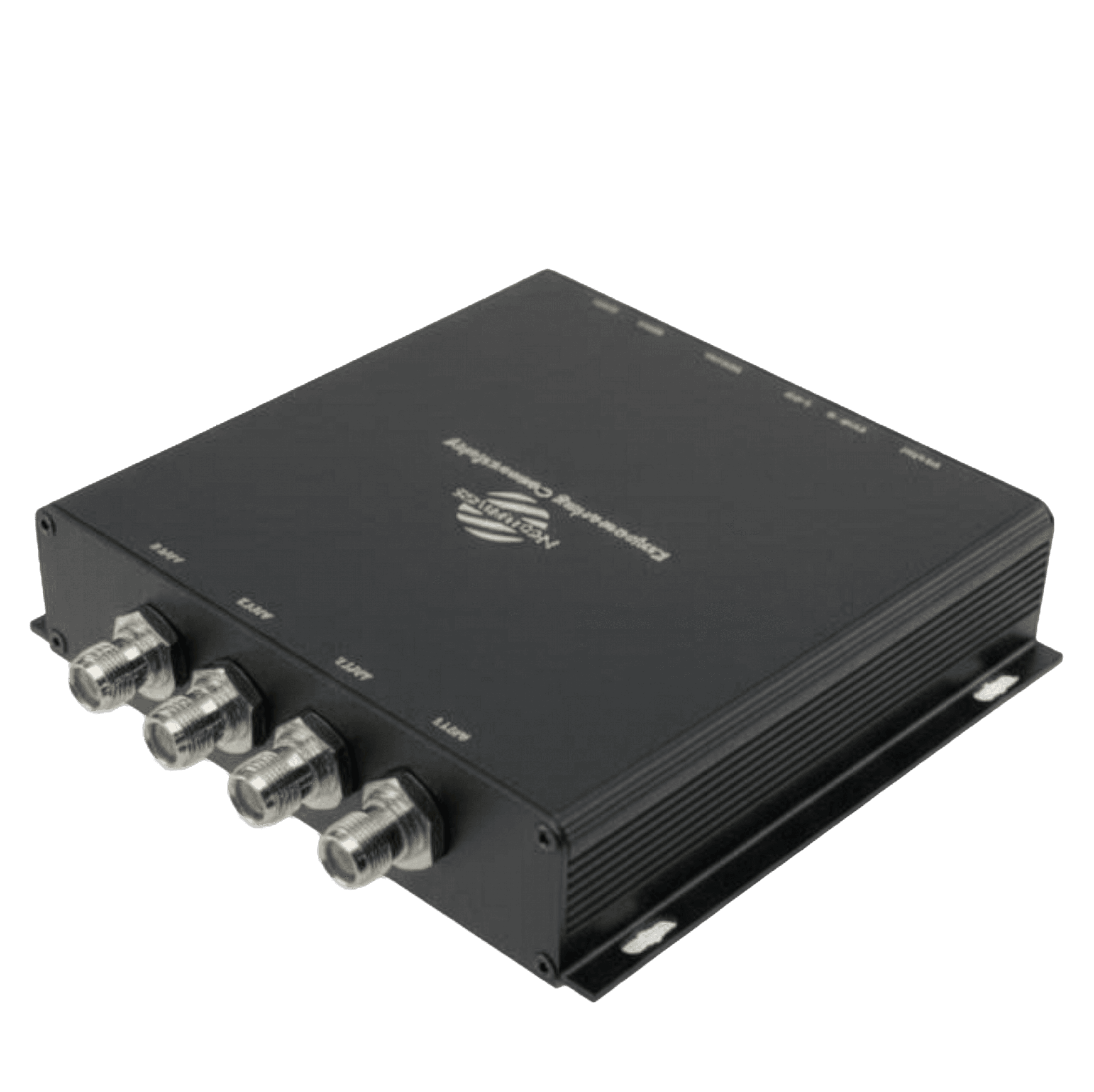
Bí ẹgbẹ́ onímọ̀ ẹ̀rọ rẹ̀ bá ń ṣàyẹ̀wò CAEN RFID Hadron (R4320C), Nextwaves NR155 ń ṣàfihàn àkọ́lé amáyédẹrùn awọ̀n àgbáyé tó ga jùlọ. Àwọn ètò àtijọ́ ní àìmọ̀kan ń fa iná owó ńlá nípasẹ̀ ìdákọ̀ọ́lẹ̀ oníṣòwò àti àgbègbè sọ́fitiwia aládàáṣiṣẹ́.
Nextwaves yọ́kúrò patapata ní àìlera yìí nípa pèsè API MQTT REST àtọkànwá taara lórí ẹ̀rọ. Àwọn oníṣèdá sọ́fitiwia rẹ̀ lè ṣàkópa ìkànsí afi taara sínú ERP tàbí WMS àdáṣe rẹ̀ ní ọjọ́ díẹ̀ dipo oṣù, nípa kọ́kọ́ kọja owó ìwé àkọ́kọ́ àtìmọ́lẹ̀.
Àwọn Ìbéèrè Tó Wọ́pọ̀
Kí ni Hadron (R4320C)?
The CAEN RFID Hadron (R4320C) is a fully embedded OEM reader board based on Impinj architecture. It manages EPC C1 G2, ISO 18000-63 communications across 865-868 MHz (ETSI) / 902-928 MHz (FCC) bandwidths, suited for integrations requiring a robust multi-port scanning footprint.
Mélòó ni ètò yìí yóò ná ní ìbẹ̀rẹ̀?
Raw modules cost roughly $200. Deploying this architecture demands extensive upfront R&D to craft proprietary parent circuit boards, handle multi-layered power sequencing, and provide logic to tunnel UART data into IP interfaces.
Èéṣe tí mo fi gbọ́dọ̀ yan Nextwaves dípò?
Custom hardware engineering carries massive risk overheads. Nextwaves bypasses PCB design entirely, providing enclosed industrial readers that communicate over standard REST and MQTT protocols right out of the box.
Ṣé ohun èlò yìí le tó fún àwọn ilé ìkóhunpamọ́?
The base logic board measures 60 x 42 x 7.5 mm and weighs 35 g. Possessing a Bare PCB (None) rating, operations teams must manufacture an external hermetically sealed shell if intended for use beyond dry laboratories.
Ṣé ó ṣe ìtìlẹ́yìn fún ọ̀pọ̀lọpọ̀ àwọn irúfẹ́ network?
All configuration and data extraction occur through local UART / USB connector pins. External edge networking, such as LTE modems or Ethernet PHY controllers, must be supplied entirely by the custom host device.
Ṣé àwọn ẹgbẹ́ mi lè fi èyí sori ẹrọ lábẹ́lé?
Electrical engineers integrate the module securely onto heavily customized routing boards. Programmers use CAEN’s C++ or Java libraries to ping the core transceiver, instruct hopping sequences, and scrape hex arrays locally.
Báwo ni ìdarí latọ̀nà jíjìn ṣe ń ṣiṣẹ́?
Optimized for 4-port multiplexing, tag polling throughput can crest ~400 tags/sec. Upgrading module logic requires locally flashing binaries via the host MCU UART lines rather than simplified web portals.
Ṣé mo nílò software àdáni láti ṣiṣẹ́ pẹ̀lú rẹ̀?
Because the module outputs naked packet arrays locally over UART / USB, software architectures inevitably require building Linux daemon bridges on the parent CPU to reform data into JSON for HTTP transmission.
Àtìlẹ́yìn wo ló wá pẹ̀lú reader náà?
While CAEN warranties protect against standard IC soldering faults, failure to adequately dissipate intense +31.5 dBm heat signatures during OEM integration will immediately terminate component lifecycles.
Ṣé àwọn ìmúdani náà wà ní títà lọtọ̀?
The board multiplexes RF signals through four ultra-miniature U.FL ports across the 865-868 MHz (ETSI) / 902-928 MHz (FCC) footprint. It can easily drive 4 massive external sector antennas or localized near-field blocks.