The ALR-8698 is an IP67 passive $250 antenna. Weigh the costs of connecting discrete antennas to master readers vs Nextwaves monolithic panels.
Àlàyé Ìmọ̀ Ẹ̀rọ
Àkótán Ẹ̀rọ
Ẹ̀rọ Alien Technology ALR-8698 jẹ́ ohun èlò RFID tó ní ìpele iṣẹ́ ọ̀dọ́ọ̀dún. Ó ń ṣiṣẹ́ ní àgbègbè Global (865-928 MHz) àti pé ó ń ṣe àtìlẹ́yìn fún àdájọ́ N/A (Passive Antenna Element), èyí tó ń jẹ́ kí ó lè lo ní àgbègbè àwọn ohun elo ìṣàkóso ilé iṣẹ́.
Pẹ̀lú ìtẹ̀sí IP IP67, ó ń pèsè ààbò lòdì sí àwọn ipo ayika pàtó tí wọ́pọ̀ ní ilé ìkó tàbí àgbàlá tita. Oluka náà ń lo N/A (Passive) fún iṣẹ́ àìdá, nígbà tí ìpele ìkànsí gíga tó sọ pé N/A (Passive).
Isopọpọ ati Isopọ Nẹtiwọọki
Ninu awọn imuse igbalode, isopọpọ nẹtiwọọki jẹ idiwọ ti o ṣe pataki julọ. Awoṣe yii nfunni Coaxial Type N / SMA awọn aṣayan fun gbigbe data pada si awọn eto aarin.
Sibẹsibẹ, bottleneck pataki kan pẹlu hardware atijọ Alien Technology ni igbẹkẹle pupọ lori awọn SDK ti ara ẹni (bii LLRP) tabi middleware IoT ti awọn ẹgbẹ kẹta ti o gbowolori lati ṣe ilana data afi aise sinu oye iṣowo ti o ni itumọ.
Àṣàyàn Nextwaves
Bí ẹgbẹ́ onímọ̀ ẹ̀rọ rẹ̀ bá ń ṣàyẹ̀wò Alien Technology ALR-8698, Nextwaves NR155 ń ṣàfihàn àkọ́lé amáyédẹrùn awọ̀n àgbáyé tó ga jùlọ. Àwọn ètò àtijọ́ ní àìmọ̀kan ń fa iná owó ńlá nípasẹ̀ ìdákọ̀ọ́lẹ̀ oníṣòwò àti àgbègbè sọ́fitiwia aládàáṣiṣẹ́.
Nextwaves yọ́kúrò patapata ní àìlera yìí nípa pèsè API MQTT REST àtọkànwá taara lórí ẹ̀rọ. Àwọn oníṣèdá sọ́fitiwia rẹ̀ lè ṣàkópa ìkànsí afi taara sínú ERP tàbí WMS àdáṣe rẹ̀ ní ọjọ́ díẹ̀ dipo oṣù, nípa kọ́kọ́ kọja owó ìwé àkọ́kọ́ àtìmọ́lẹ̀.
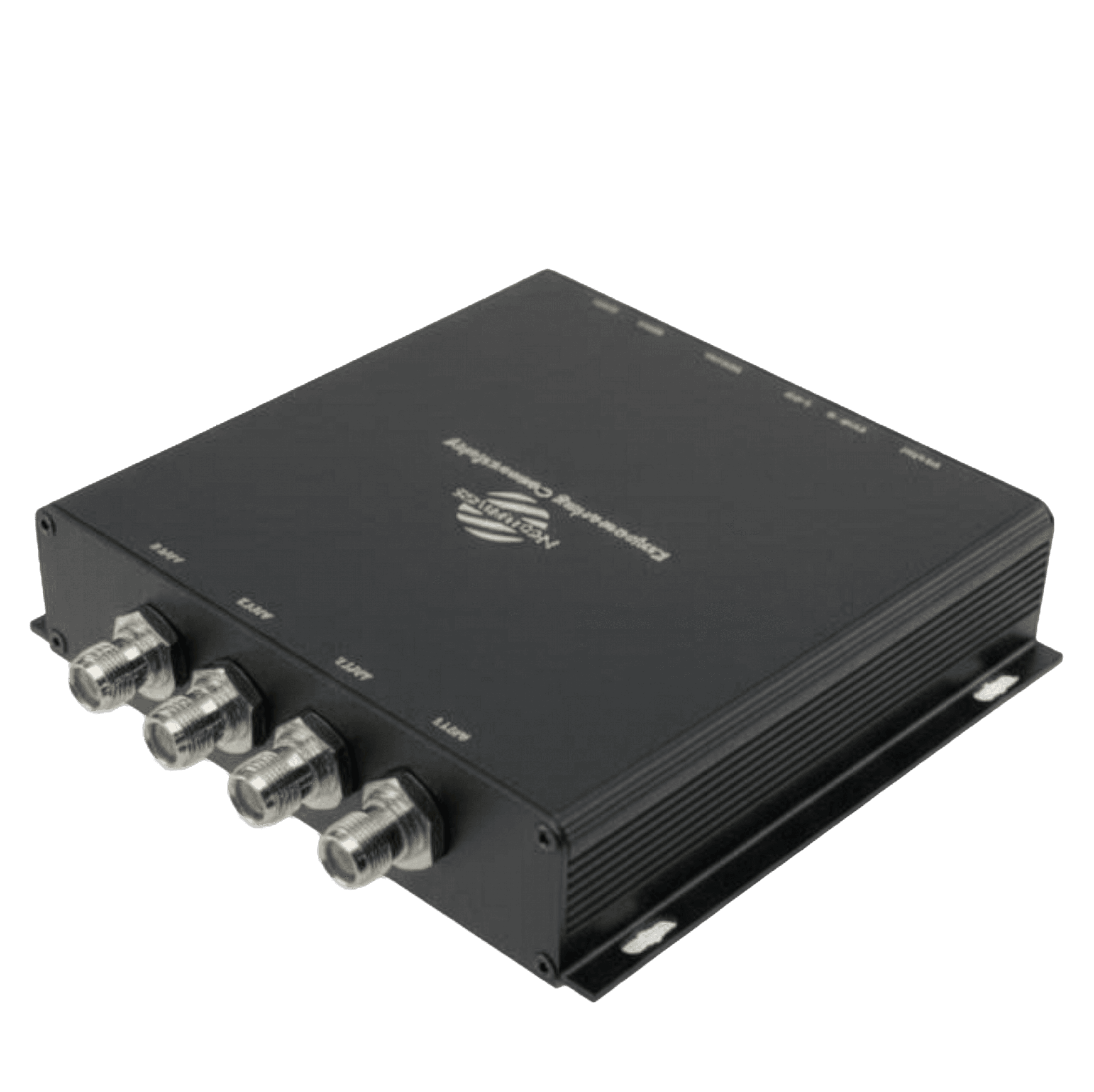
Àwọn Ìbéèrè Tó Wọ́pọ̀
Kí ni ALR-8698?
The Alien Technology ALR-8698 is a globally tuned, circularly polarized passive broadcast patch. It accepts raw RF energy from an external active reader and propagates it across the Global (865-928 MHz) spectrums safely.
Mélòó ni ètò yìí yóò ná ní ìbẹ̀rẹ̀?
The antenna lists near $250. However, fully realizing an RFID portal demands purchasing expensive active interrogators (e.g. Alien F800), heavy shielding RF cables, and managing complex third-party software middleware pipelines.
Èéṣe tí mo fi gbọ́dọ̀ yan Nextwaves dípò?
Wiring discrete antennas forces structural engineers to snake coaxial cables through difficult facility geometries. Nextwaves simplifies site architecture by merging the antenna and gateway inside a single board running standard IP networking over Ethernet.
Ṣé ohun èlò yìí le tó fún àwọn ilé ìkóhunpamọ́?
Encased within a heavy poly-carbonate IP67 shell, it dimensions out to 258 x 258 x 36 mm and weighs 0.91 kg. It survives intense dust, factory vibrations, and direct water jets without failing.
Ṣé ó ṣe ìtìlẹ́yìn fún ọ̀pọ̀lọpọ̀ àwọn irúfẹ́ network?
It offers zero native data networking. Operating simply as a continuous transmission line, its connection relies exclusively on securing the Coaxial Type N / SMA sockets directly to the master logic board.
Ṣé àwọn ẹgbẹ́ mi lè fi èyí sori ẹrọ lábẹ́lé?
Deployment means securing the board physically to ceiling trusses via four-point anchors. IT staff must properly crimp and tune the coaxial N-type cables running between the board and the reading module to minimize decibel drop-offs.
Báwo ni ìdarí latọ̀nà jíjìn ṣe ń ṣiṣẹ́?
Lacking all internal silicons, it carries a N/A (Passive) rating. Asset calculation speeds depend completely on how aggressively the attached master box pulses the RF field.
Ṣé mo nílò software àdáni láti ṣiṣẹ́ pẹ̀lú rẹ̀?
You cannot interact with this panel programmatically. Instead, engineers must configure middleware to manage the active reader unit controlling the analog voltage supplied to the patch.
Àtìlẹ́yìn wo ló wá pẹ̀lú reader náà?
The passive unit retains a foundational 12-month manufacturer defect protection plan. Assuming it isn't physically destroyed, the passive patch array possesses a near-infinite functional lifecycle.
Ṣé àwọn ìmúdani náà wà ní títà lọtọ̀?
Projecting an 8.5 dBic circular field across the broad Global (865-928 MHz) framework, it successfully illuminates mixed-orientation freight moving erratically through vast conveyor logistics hubs.