The ALR-9900+ is a legacy high-performance tracking device operating on 902-928 MHz. Compare its $1000 MSRP against modern, developer-friendly Nextwaves readers.
Texnik xususiyatlari
Uskunaga umumiy nuqtai nazar
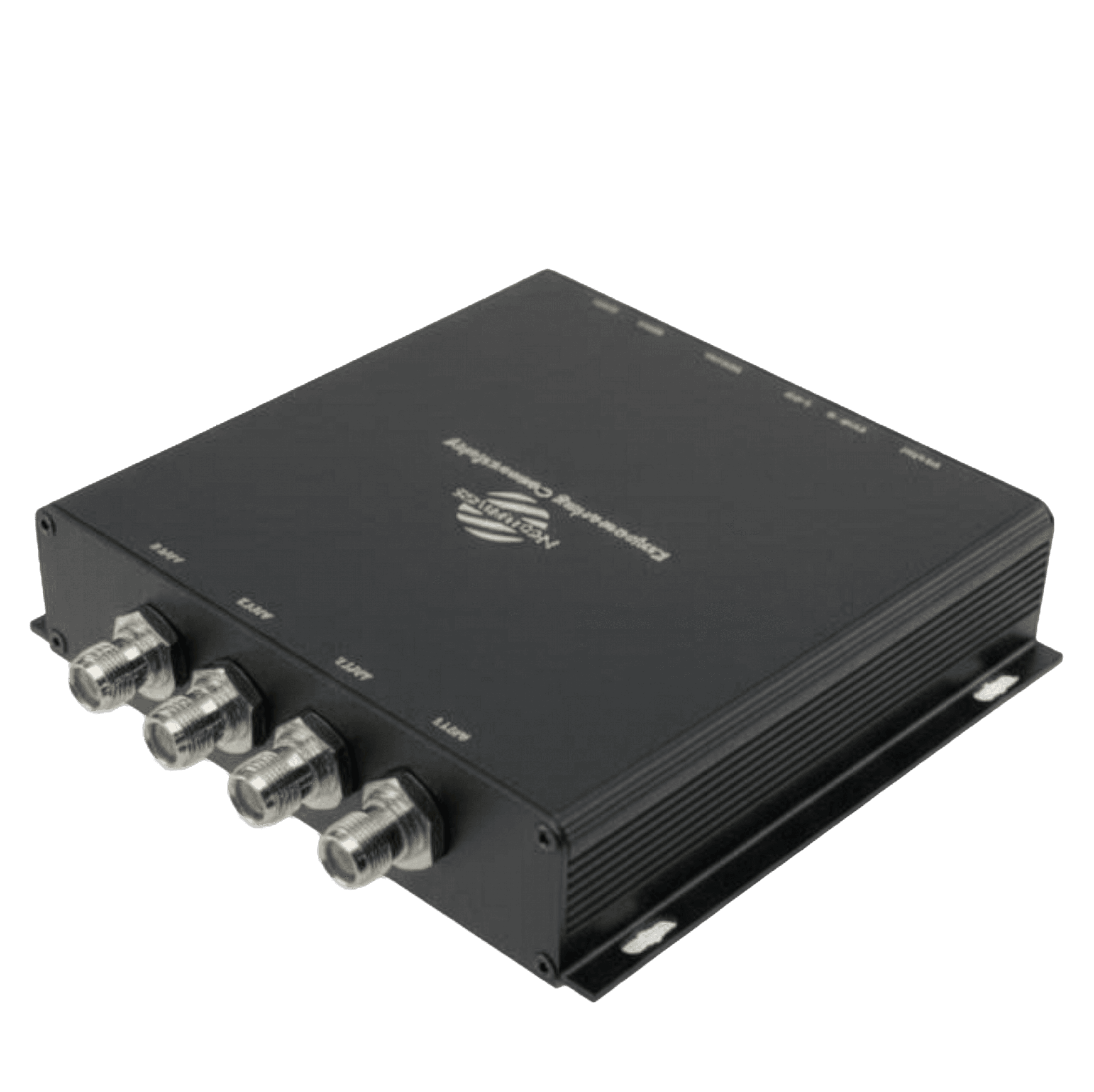
Alien Technology ALR-9900+ - bu sanoat darajasidagi RFID qurilmasi. U 902-928 MHz diapazonida ishlaydi va EPC Gen 2, ISO 18000-6C standartini qo'llab-quvvatlaydi, bu esa uni korxona logistika ilovalarida keng qo'llanilishini ta'minlaydi.
N/A IP reytingi bilan u omborlar yoki chakana savdo do'konlarida odatiy bo'lgan ma'lum ekologik sharoitlardan himoya qiladi. O'quvchi uzluksiz ishlash uchun AC-DC 100-240 VAC dan foydalanadi, uning maksimal o'qish tezligi N/A ga yetadi.
Ulanish va tarmoq integratsiyasi
Zamonaviy joylashtirishlarda tarmoq integratsiyasi eng muhim to'siq hisoblanadi. Ushbu model ma'lumotlarni markaziy tizimlarga o'tkazish uchun LAN TCP/IP, RS-232 variantlarini taklif etadi.
Biroq, eski Alien Technology uskunalari bilan bog'liq asosiy muammo shundaki, xom teg ma'lumotlarini mazmunli biznes ma'lumotlariga aylantirish uchun xususiy SDK-larga (masalan, LLRP) yoki qimmat uchinchi tomon IoT middleware-ga katta bog'liqlik mavjud.
Nextwaves Alternativi
Agar sizning muhandislik jamoangiz Alien Technology ALR-9900+ ni baholayotgan bo'lsa, Nextwaves NR155 bulutga asoslangan arxitekturani taqdim etadi. Eski tizimlar sotuvchiga bog'liqlik va xususiy dasturiy ta'minot ekotizimlari orqali yuqori kapital xarajatlarni keltirib chiqaradi.
Nextwaves qurilmada to'g'ridan-to'g'ri standart MQTT REST API ni taqdim etish orqali bu to'siqni butunlay yo'q qiladi. Sizning dasturiy ta'minot ishlab chiquvchilaringiz teglarni o'qishni o'z ERP yoki WMS backendga oylarda emas, balki kunlarda integratsiya qilishlari mumkin, bu esa takroriy vositachi litsenziyalash to'lovlarini butunlay chetlab o'tadi.
Ko'p so'raladigan savollar
ALR-9900+ nima?
The Alien Technology ALR-9900+ is a stationary, multi-port RFID interrogator. Operating on the 902-928 MHz band, it supports the EPC Gen 2, ISO 18000-6C standard and utilizes Alien's specialized interference rejection electronics.
Ushbu sozlashning boshlang'ich narxi qancha?
The reader has historically been priced around $1000. Facilities must also account for the costs of 4 high-gain antennas, coaxial loss-preventing cables, and the structural setup of its AC-DC 100-240 VAC power delivery.
Nima uchun men Nextwavesni tanlashim kerak?
Nextwaves provides embedded REST API and MQTT endpoints natively on the hardware. Software engineering teams can bypass complex EPC global LLRP structures and integrate RFID events directly into modern cloud systems natively.
Uskuna omborlar uchun yetarlicha bardoshlimi?
The device weighs approximately 0.95 kg and measures 20.3 x 20.3 x 4.8 cm. Due to the lack of an IP washdown rating (N/A), it is best deployed inside industrial cabinets or environmentally controlled zones.
U bir nechta tarmoq turlarini qo'llab-quvvatlaydimi?
Network integration physically routes through standard LAN TCP/IP, RS-232 connections. Direct serial polling is still supported for older, air-gapped logistics networks.
Mening jamoam buni ichki o'rnatishi mumkinmi?
Physical mounting uses heavy-duty flanged screw mounts. To achieve optimal performance, RF engineers must adjust transmission power parameters and dense reader mode settings depending on interference.
Masofadan boshqarish qanday ishlaydi?
Remote management is generally conducted through the legacy Alien Reader Interface or third-party SNMP monitoring platforms.
Uni ishlatish uchun xususiy dasturiy ta'minot kerakmi?
Integrators traditionally route data from the LAN TCP/IP, RS-232 ports into desktop middleware to handle de-duplication and aggregation. This significantly adds to system maintenance resources.
O'quvchi bilan qanday kafolat keladi?
The manufacturer typically provides a standard one-year hardware warranty. Production deployments frequently require extended replacement SLAs to protect the investment in legacy infrastructure.
Antennalar alohida sotiladimi?
External antennas are strictly mandatory. Cable length and antenna type must be carefully mathematically tuned across the 902-928 MHz frequency band to maximize power transmission without exceeding regional regulations.