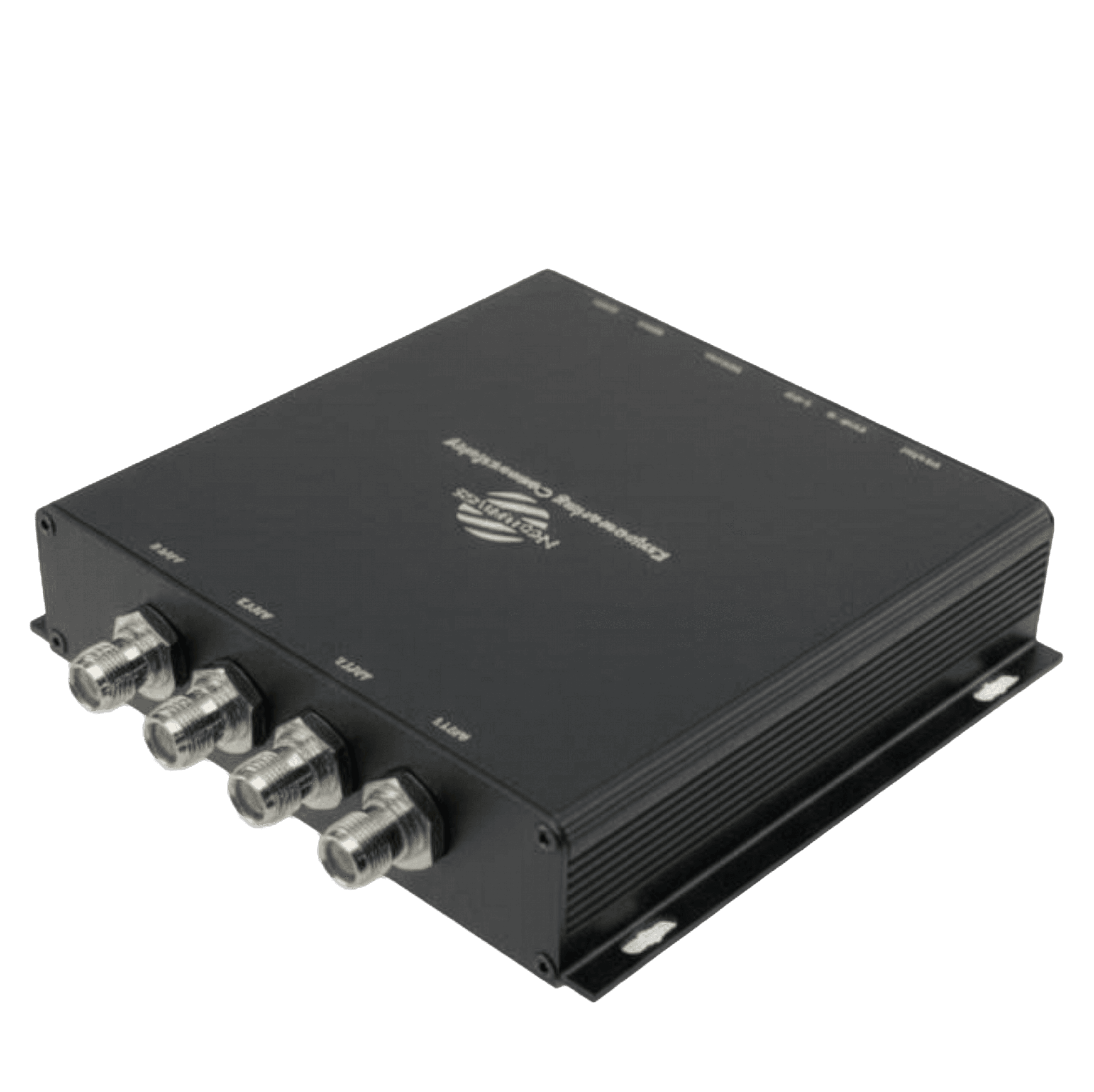
The ThingMagic M7e-Hecto is a $150 OEM module powered by the Impinj E510 IC. Compare its bare PCB integration timeline against Nextwaves turnkey hardware.
Teknik Özellikler
Donanım Genel Bakışı
ThingMagic (JADAK) M7e-Hecto, endüstriyel sınıf bir RFID cihazıdır. Global (860-960 MHz) aralığında çalışır ve EPC Gen2v2, ISO 18000-63 standardını destekler, bu da onu kurumsal lojistik uygulamalarında yaygın olarak kullanılmasını sağlar.
Bare PCB (None) IP derecesi ile, depolar veya perakende arka odalarında tipik olan belirli çevresel koşullara karşı koruma sunar. Okuyucu, sürekli performans için 3.3V to 5.25V DC kullanır ve belirtilen maksimum okuma hızı up to ~300 tags/sec seviyesindedir.
Bağlantı ve Ağ Entegrasyonu
Modern uygulamalarda, ağ entegrasyonu en önemli engeldir. Bu model, verileri merkezi sistemlere geri aktarmak için UART Serial / USB seçenekleri sunar.
Ancak, eski ThingMagic (JADAK) donanımlarının en büyük darboğazı, ham etiket verilerini anlamlı iş zekasına dönüştürmek için tescilli SDK'lara (LLRP gibi) veya pahalı üçüncü taraf IoT ara yazılımlarına olan büyük bağımlılıktır.
Nextwaves Alternatifi
Mühendislik ekibiniz ThingMagic (JADAK) M7e-Hecto cihazını değerlendiriyorsa, Nextwaves NR155 çok daha üstün bir bulut tabanlı mimari sunar. Eski sistemler, satıcıya bağımlılık ve tescilli yazılım ekosistemleri aracılığıyla yüksek sermaye harcamalarını beraberinde getirir.
Nextwaves, cihaz üzerinde doğrudan standart bir MQTT REST API sağlayarak bu engeli tamamen ortadan kaldırır. Yazılım geliştiricileriniz, etiket okumayı özel ERP veya WMS arka uçlarınıza aylarca değil, günler içinde entegre edebilir ve tekrarlayan ara yazılım lisans ücretlerini tamamen atlayabilir.
Sıkça Sorulan Sorular
M7e-Hecto nedir?
The ThingMagic (JADAK) M7e-Hecto is an embeddable UHF module integrating the mid-tier Impinj E510 RFIC. Operating across Global (860-960 MHz) channels, it maps EPC Gen2v2, ISO 18000-63 identifiers into a serialized output standard for OEM engineering teams.
Bu kurulumun başlangıç maliyeti ne kadar?
Individual modules price out near $150. Developing functional industrial scanners requires massive hardware expenditures encompassing custom motherboards, multi-port antenna selectors, integrated cooling fins, and specialized logic controllers.
Neden Nextwaves'i seçmeliyim?
The true cost of modular integration lies strictly in the software hours required. Nextwaves completely eliminates low-level C++ serial logic programming by offering readers with HTTP webhooks enabled inherently out-of-the-box.
Donanım depolar için yeterince dayanıklı mı?
Operating as an unprotected microcircuit measuring 46 x 26 x 4 mm and weighing 3 g, the unit requires the OEM to provide an IP-rated casing to bypass its Bare PCB (None) reality.
Birden fazla ağ türünü destekliyor mu?
Communications are bottlenecked to localized UART Serial / USB edge pins. Implementing WPA3 Wi-Fi or TLS 1.2 Ethernet security remains the direct responsibility of the OEM's master microcontroller logic.
Ekibim bunu şirket içinde kurabilir mi?
Physical integration requires wave soldering into a host PCB. The commanding processor must run the ThingMagic Mercury API dynamically to handle asynchronous interruptions and manage buffer logic on the interrogator.
Uzaktan yönetim nasıl çalışıyor?
The E510 IC is capable of reading up to ~300 tags/sec in clean environments. True throughput is dictated by the ability of the host microprocessor to clear the small serial buffers before they overflow.
Çalıştırmak için özel bir yazılıma ihtiyacım var mı?
Because the M7e-Hecto exports raw hex arrays locally via UART, developers must wrap these strings into TCP/IP or HTTP packets using auxiliary network coprocessors to reach backend asset management environments securely.
Okuyucuyla birlikte hangi garanti geliyor?
Standard ThingMagic defective parts warranties apply, universally voided if ESD protocols or thermal paste guidelines are ignored heavily during the customized OEM manufacturing process.
Antenler ayrı olarak mı satılıyor?
Its dual MMCX antenna edge connections support wide Global (860-960 MHz) profiles. Delivering up to +27 dBm output power, it creates a robust detection field requiring cautious electromagnetic interference testing against the host device.