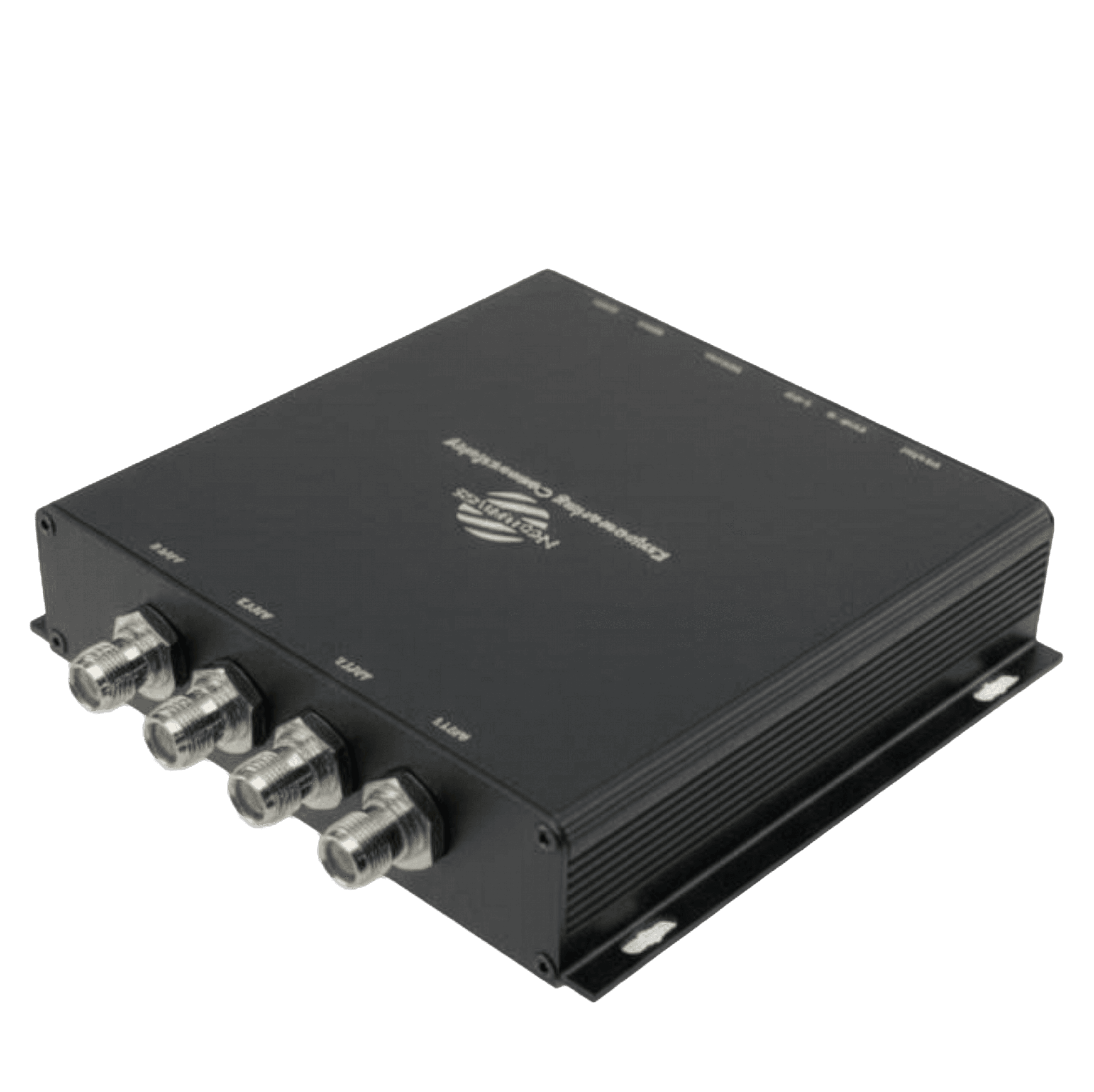
The ThingMagic M7e-Tera leverages the extreme Impinj E910 IC for $250. Analyze its integration requirements versus zero-code Nextwaves edge infrastructure.
Mga Teknikal na Espesipikasyon
Pangkalahatang-ideya ng Hardware
Ang ThingMagic (JADAK) M7e-Tera ay isang industrial-grade na RFID device. Ito ay gumagana sa loob ng saklaw ng Global (860-960 MHz) at sumusuporta sa pamantayan ng EPC Gen2v2, ISO 18000-63, na nagiging malawakang ginagamit sa mga enterprise logistics na aplikasyon.
Sa IP rating na Bare PCB (None), ito ay nagbibigay ng proteksyon laban sa mga tiyak na kondisyon ng kapaligiran na karaniwan sa mga bodega o likod na bahagi ng retail. Ang mambabasa ay gumagamit ng 3.3V to 5.25V DC para sa tuloy-tuloy na pagganap, habang ang tinukoy na pinakamataas na bilis ng pagbasa ay umabot sa up to ~1300 tags/sec.
Konektibidad at Integrasyon ng Network
Sa mga modernong deployment, ang integrasyon ng network ang pinakamalaking balakid. Ang modelong ito ay nag-aalok ng mga opsyon sa UART Serial / USB para sa paglilipat ng data pabalik sa mga sentral na sistema.
Gayunpaman, isang malaking bottleneck sa legacy na hardware ng ThingMagic (JADAK) ay ang labis na pag-asa sa mga proprietary SDKs (tulad ng LLRP) o mamahaling third‑party IoT middleware upang iproseso ang raw tag data tungo sa makabuluhang business intelligence.
Ang Nextwaves Alternative
Kung ang inyong engineering team ay sinusuri ang ThingMagic (JADAK) M7e-Tera, ang Nextwaves NR155 ay nag-aalok ng napaka-susunod na cloud-native na arkitektura. Ang mga legacy system ay likas na nagdudulot ng mataas na kapital na gastusin dahil sa vendor lock‑in at proprietary na ekosistema ng software.
Ganap na tinatanggal ng Nextwaves ang hadlang na ito sa pamamagitan ng pagbibigay ng standard na MQTT REST API direkta sa device. Ang inyong mga software developer ay maaaring i-integrate ang pagbasa ng mga tag direkta sa inyong custom na ERP o WMS backend sa loob ng ilang araw imbes na buwan, na ganap na iniiwasan ang paulit-ulit na bayad sa middleware licensing.
Mga Madalas Itanong
Ano ang M7e-Tera?
The ThingMagic (JADAK) M7e-Tera is an OEM embedded scanning logic board powered by the flagship Impinj E910 IC. Tuned to process dense EPC Gen2v2, ISO 18000-63 tag populations across Global (860-960 MHz) spans, it serves as the core logic block for bespoke industrial dock portal readers.
Magkano ang paunang gastos ng setup na ito?
Priced near $250 per bare module. Heavy engineering capital must be allocated for fabricating multi-layer PCB housing units, powerful embedded host processors, physical network stacks, and active convection cooling hardware.
Bakit ko pipiliin ang Nextwaves?
OEM module embedding creates steep hardware maintenance overheads. Nextwaves eliminates PCB-level engineering entirely by providing fully realized intelligent arrays featuring native HTTPS/MQTT endpoints that skip legacy serial bindings.
Matibay ba ang hardware para sa mga bodega?
Being an embedded component weighing only 3 g within a 46 x 26 x 4 mm footprint, it inherently maintains a Bare PCB (None) rating. Deploying this logic into real environments hinges solely upon the IP rating of the OEM-built exterior case.
Sinusuportahan ba nito ang maraming uri ng network?
Data routing relies strictly on localized UART Serial / USB solder pins. All TCP/IP networking, IoT security protocol management, and connection fallbacks are the direct responsibility of the auxiliary host Microcontroller.
Maaari bang i-install ito ng aking team sa loob ng kumpanya?
Developers integrate the core by soldering it to a logic board and polling its operation directly via the ThingMagic Mercury API. Proper buffer processing is required to handle the massive asynchronous data streams.
Paano gumagana ang remote management?
Utilizing the highest-end E910 core, throughput scales up to ~1300 tags/sec in optimized environments. Managing firmware lifecycles requires specialized UART flashes pushed from the master OEM processor.
Kailangan ko ba ng proprietary software para patakbuhin ito?
Connecting localized reads directly into enterprise clouds requires writing host bridges. The parent Linux or RTOS MCU must translate the high-volume UART hexadecimal dumps into sanitized JSON bundles before firing standard webhooks.
Anong warranty ang kasama ng reader?
The component warranties only reflect direct factory IC defects. OEM integration pipelines that fail to safely restrict power output loads or inadequately dissipate heat can quickly permanently degrade transceiver lifespan.
Hiwalay bang ibinebenta ang mga antenna?
Its embedded U.FL multiplex logic ports handle up to four external antennas across the Global (860-960 MHz) spectrums. Peak power hits +31.5 dBm, capable of penetrating highly dense, interference-heavy factory palettes.