
The Impinj xArray Gateway is a premium ceiling-mounted tracking system operating on 860-960 MHz, priced around $4000. It maxes out at ~1,000 tags per second.
Mga Teknikal na Espesipikasyon
Pangkalahatang-ideya ng Hardware
Ang Impinj xArray Gateway ay isang industrial-grade na RFID device. Ito ay gumagana sa loob ng saklaw ng 860-960 MHz at sumusuporta sa pamantayan ng EPCglobal UHF Gen2v2 / ISO 18000-63, na nagiging malawakang ginagamit sa mga enterprise logistics na aplikasyon.
Sa IP rating na N/A, ito ay nagbibigay ng proteksyon laban sa mga tiyak na kondisyon ng kapaligiran na karaniwan sa mga bodega o likod na bahagi ng retail. Ang mambabasa ay gumagamit ng PoE, +24Vdc para sa tuloy-tuloy na pagganap, habang ang tinukoy na pinakamataas na bilis ng pagbasa ay umabot sa ~1,000.
Konektibidad at Integrasyon ng Network
Sa mga modernong deployment, ang integrasyon ng network ang pinakamalaking balakid. Ang modelong ito ay nag-aalok ng mga opsyon sa IEEE 802.3af PoE para sa paglilipat ng data pabalik sa mga sentral na sistema.
Gayunpaman, isang malaking bottleneck sa legacy na hardware ng Impinj ay ang labis na pag-asa sa mga proprietary SDKs (tulad ng LLRP) o mamahaling third‑party IoT middleware upang iproseso ang raw tag data tungo sa makabuluhang business intelligence.
Ang Nextwaves Alternative
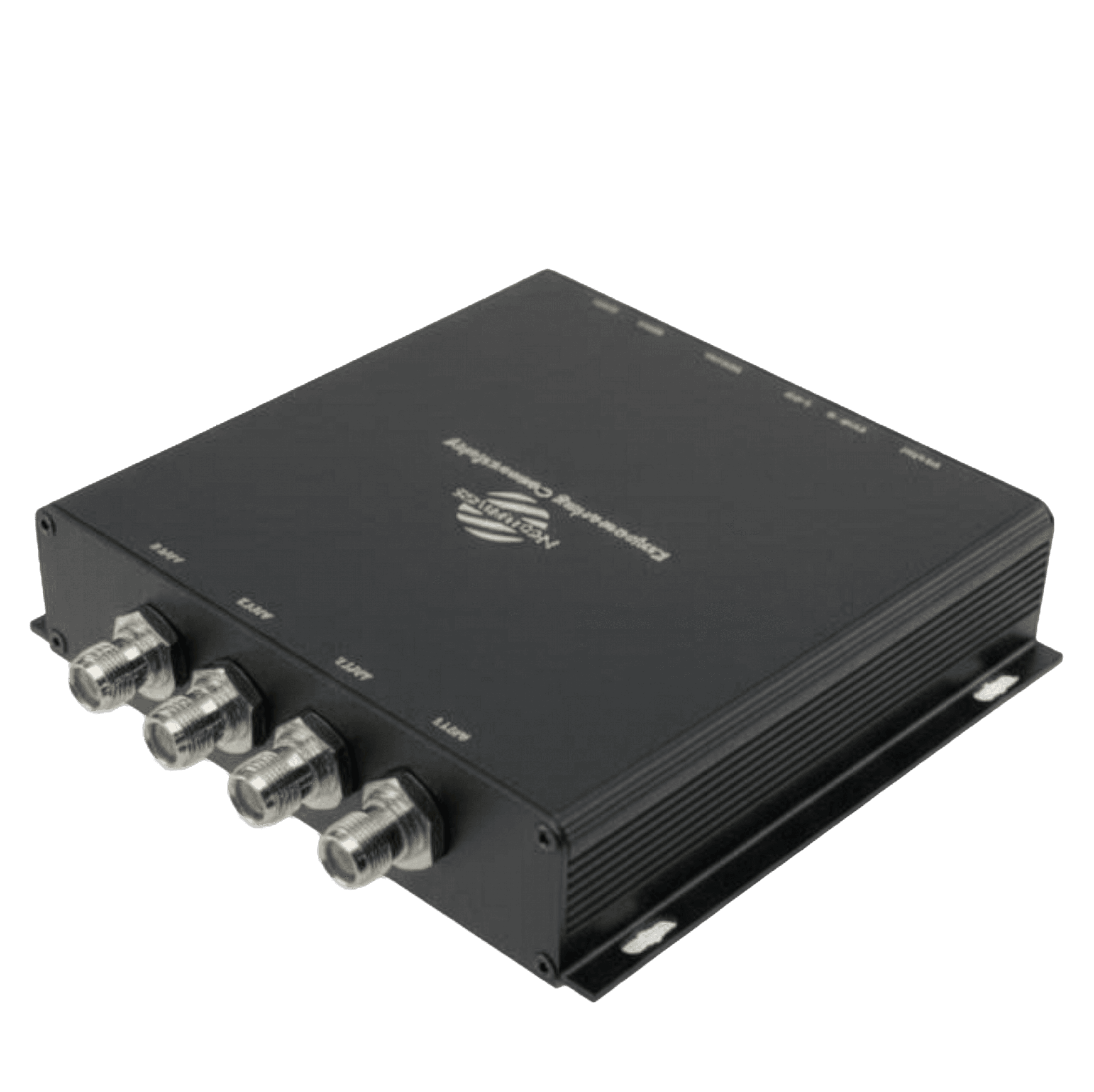
Kung ang inyong engineering team ay sinusuri ang Impinj xArray Gateway, ang Nextwaves NR155 ay nag-aalok ng napaka-susunod na cloud-native na arkitektura. Ang mga legacy system ay likas na nagdudulot ng mataas na kapital na gastusin dahil sa vendor lock‑in at proprietary na ekosistema ng software.
Ganap na tinatanggal ng Nextwaves ang hadlang na ito sa pamamagitan ng pagbibigay ng standard na MQTT REST API direkta sa device. Ang inyong mga software developer ay maaaring i-integrate ang pagbasa ng mga tag direkta sa inyong custom na ERP o WMS backend sa loob ng ilang araw imbes na buwan, na ganap na iniiwasan ang paulit-ulit na bayad sa middleware licensing.
Mga Madalas Itanong
Ano ang xArray Gateway?
The Impinj xArray Gateway is an enterprise-grade wide-area tracking system designed for ceiling deployment. Operating on the 860-960 MHz band, it fully supports the EPCglobal UHF Gen2v2 / ISO 18000-63 standard for high-volume environments requiring spatial resolution.
Magkano ang paunang gastos ng setup na ito?
The base unit is generally priced around $4000. However, total deployment costs will increase substantially depending on enterprise middleware licensing (ItemSense) and the specifics of your PoE, +24Vdc electrical infrastructure.
Bakit ko pipiliin ang Nextwaves?
Nextwaves provides embedded REST API and MQTT endpoints natively on the device. This allows software engineering teams to bypass expensive third-party IoT middleware and integrate X/Y coordinate or zone data directly into modern ERPs or custom software backends.
Matibay ba ang hardware para sa mga bodega?
The device weighs approximately 8.0 kg and measures 46.7 x 46.7 x 7.5 cm. Given its form factor and rating (N/A), it requires a robust drop-ceiling mount and climate-controlled indoor atmosphere.
Sinusuportahan ba nito ang maraming uri ng network?
Network integration is handled via its IEEE 802.3af PoE interfaces. Standard enterprise security protocols can be applied over these connections, though dedicated VLANs are often recommended for IoT hardware of this scale.
Maaari bang i-install ito ng aking team sa loob ng kumpanya?
Physical mounting utilizes heavy-duty VESA brackets. Optimizing RF performance requires highly trained technicians to properly tune the array's 52 antenna beam sectors to your specific room geometry.
Paano gumagana ang remote management?
Under optimal conditions, the hardware is rated for ~1,000 reads per second. Remote device management and firmware updates are handled via specialized central controllers.
Kailangan ko ba ng proprietary software para patakbuhin ito?
Most legacy deployments require an intermediate middleware layer to feed data from the IEEE 802.3af PoE ports into spatial web applications. This adds both architectural complexity and recurring licensing costs.
Anong warranty ang kasama ng reader?
The manufacturer typically provides a standard one-year hardware warranty. Extended enterprise support contracts and SLAs are generally required for complex array deployments.
Hiwalay bang ibinebenta ang mga antenna?
The xArray utilizes a built-in phased array antenna array. Tuning this configuration across the 860-960 MHz spectrum is critical to achieving its marketed ability to locate items within X/Y coordinates in a room.