RFID replacement dossierUpdated: May 25, 2026

Chainway C5Pagsusuri: Mga Espesipikasyon at Alternatibo

The Chainway C5 is an industrial sled terminal for high-capacity battery sweeps on the EPC Gen2 standard. Priced at $900. See how it competes with open endpoints.

Engineering ng NextwavesPagsusuri ng Hardware5 min na pagbasa

Technical verdict

Chainway C5 is a mainstream hardware purchase, but it is not always the best architecture for direct RFID data integration.

Do not evaluate C5 by list price alone. Its strongest fit is a project that already uses Wi-Fi, BT, 4G, has time for RF tuning, and accepts extra middleware work. If the engineering team needs open APIs, realtime data, and faster edge-to-cloud deployment, Nextwaves NR155 is the stronger replacement path to evaluate.

Initial cost

$900 before deployment accessories

Published throughput

900 tags/second

Integration surface

Wi-Fi, BT, 4G

Physical data

178.8 x 96.5 x 128.4 mm; 626 g; IP: IP65

Published specs

Specifications to validate before replacing

Dalasan

865-868 MHz / 920-925 MHz / 902-928 MHz

Protokol

EPC C1 Gen2, ISO 18000-6C

Konektibidad

Wi-Fi, BT, 4G

Xếp hạng IP

IP65

Dimensyon

178.8 x 96.5 x 128.4 mm

Timbang

626 g

Suplay ng Kuryente

6700/13400 mAh removable

Bilis ng Pagbasa

~900 tags/sec

Tinatayang Presyo

$900

Deployment review

Operational strengths and risks

This summary is based on public specifications and does not replace an on-site RF survey.

Fit score

3.8/5

Strengths

  • Wi-Fi, BT, 4G gives network teams a familiar integration surface instead of local-only collection.
  • 6700/13400 mAh removable can reduce separate power drops when switch PoE budget is available.
  • The $900 hardware baseline is easier to budget than premium fixed-reader configurations.
  • 900 tags/second can fit faster inventory lanes when the read zone is tuned correctly.

Validate

  • Quoted hardware price is not installed system cost; include antennas, cables, mounts, power, software, and configuration work.
  • RF performance depends on tag material, antenna position, transmit power, reader orientation, and site interference.
  • IP65 must be checked against dust, humidity, temperature, and cleaning requirements.
  • Raw RFID reads still need duplicate filtering, business-event mapping, and ERP/WMS integration before operations can use them.

Deployment review

Buying decision matrix

Best fit

Fixed UHF RFID projects that already use Wi-Fi, BT, 4G and have time for RF tuning.

Weak fit

Do not compare device price only; total cost depends on accessories, software, and integration.

Deployment risk

IP65, 6700/13400 mAh removable, 178.8 x 96.5 x 128.4 mm, and 626 g must match the site layout.

Software risk

Plan for middleware, SDK work, duplicate filtering, and business-event mapping.

Alternative architecture

Chainway C5 vs Nextwaves

01

Pangkalahatang-ideya ng Hardware

Ang Chainway C5 ay isang industrial-grade na RFID device. Ito ay gumagana sa loob ng saklaw ng 865-868 MHz / 920-925 MHz / 902-928 MHz at sumusuporta sa pamantayan ng EPC C1 Gen2, ISO 18000-6C, na nagiging malawakang ginagamit sa mga enterprise logistics na aplikasyon.

Sa IP rating na IP65, ito ay nagbibigay ng proteksyon laban sa mga tiyak na kondisyon ng kapaligiran na karaniwan sa mga bodega o likod na bahagi ng retail. Ang mambabasa ay gumagamit ng 6700/13400 mAh removable para sa tuloy-tuloy na pagganap, habang ang tinukoy na pinakamataas na bilis ng pagbasa ay umabot sa ~900 tags/sec.

02

Konektibidad at Integrasyon ng Network

Sa mga modernong deployment, ang integrasyon ng network ang pinakamalaking balakid. Ang modelong ito ay nag-aalok ng mga opsyon sa Wi-Fi, BT, 4G para sa paglilipat ng data pabalik sa mga sentral na sistema.

Gayunpaman, isang malaking bottleneck sa legacy na hardware ng Chainway ay ang labis na pag-asa sa mga proprietary SDKs (tulad ng LLRP) o mamahaling third‑party IoT middleware upang iproseso ang raw tag data tungo sa makabuluhang business intelligence.

03

When to choose Nextwaves instead of another closed reader

Kung ang inyong engineering team ay sinusuri ang Chainway C5, ang Nextwaves NR155 ay nag-aalok ng napaka-susunod na cloud-native na arkitektura. Ang mga legacy system ay likas na nagdudulot ng mataas na kapital na gastusin dahil sa vendor lock‑in at proprietary na ekosistema ng software.

Ganap na tinatanggal ng Nextwaves ang hadlang na ito sa pamamagitan ng pagbibigay ng standard na MQTT REST API direkta sa device. Ang inyong mga software developer ay maaaring i-integrate ang pagbasa ng mga tag direkta sa inyong custom na ERP o WMS backend sa loob ng ilang araw imbes na buwan, na ganap na iniiwasan ang paulit-ulit na bayad sa middleware licensing.

Alternative architecture

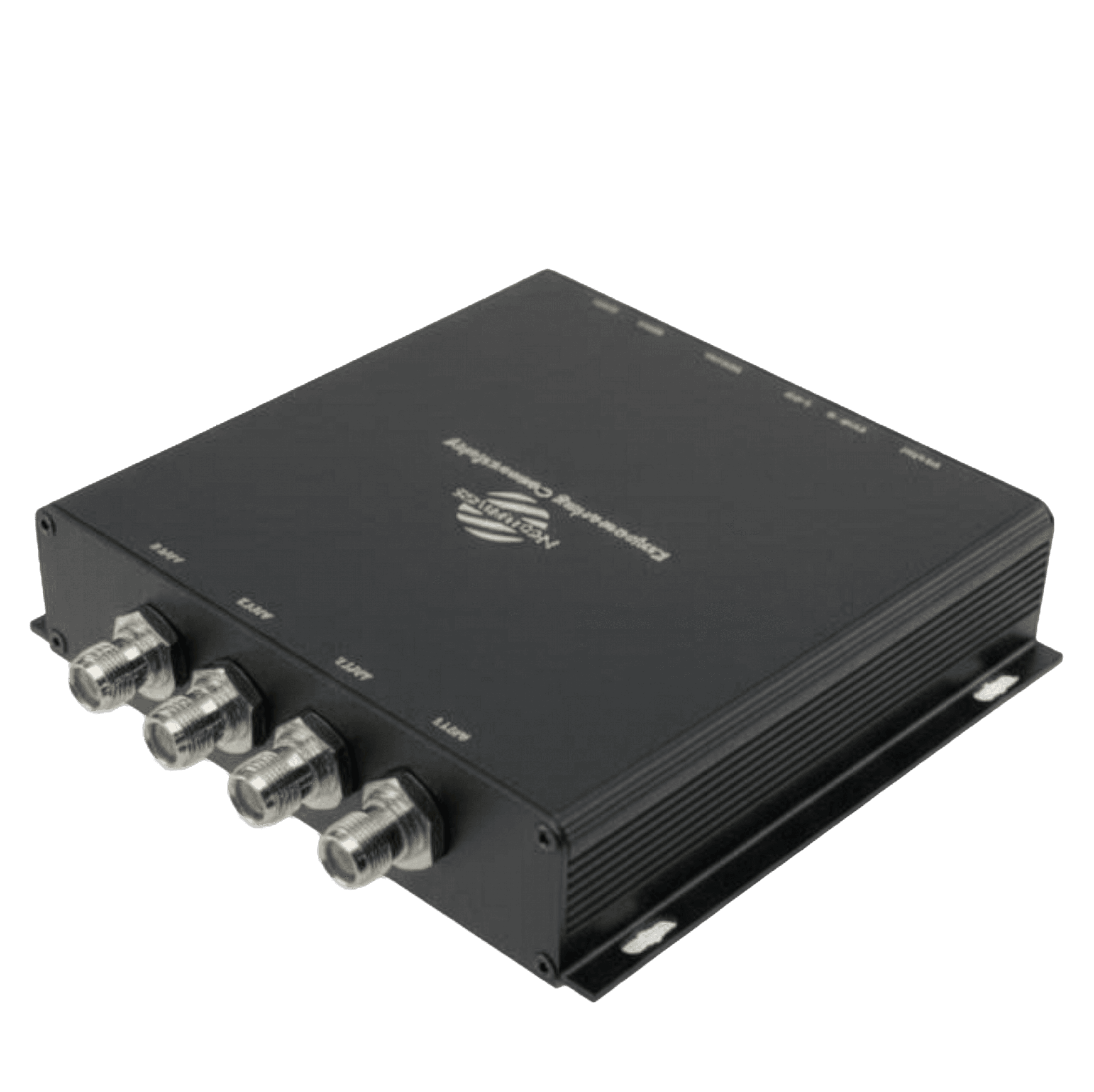
NR155 Fixed IoT UHF RFID Reader

Cloud-native na MQTT/REST APIs na naka‑built‑in. Walang proprietary SDKs, walang lisensya sa middleware. I-integrate nang direkta sa iyong ERP o WMS sa loob ng ilang araw.

View Nextwaves NR155
Nextwaves NR155 Fixed IoT UHF RFID Reader

Mga Port ng Antenna

4 cổng RP-TNC

Bilis ng Pagbasa

Hanggang 400 na tag bawat segundo

Lakas ng Output

0–33 dBm (1dB na hakbang)

Protocol ng Network

MQTT / MQTTS

FAQ

Mga Madalas Itanong

These answers help purchasing and engineering teams review cost, integration, and deployment risk.

01

Ano ang C5?

The Chainway C5 is a high-capacity mobile handheld RFID terminal based on Android. It supports the EPC C1 Gen2, ISO 18000-6C protocols over the 865-868 MHz / 920-925 MHz / 902-928 MHz band, enabling prolonged shift tracking.

02

Magkano ang paunang gastos ng setup na ito?

Hardware configurations sit around $900. Depending on shifts, logistics managers must budget for gang chargers, high-capacity 6700/13400 mAh removable backup batteries, and Android Mobile Device Management (MDM) endpoint licensing.

03

Bakit ko pipiliin ang Nextwaves?

Nextwaves provides embedded cloud integration directly bridging native RF to HTTPS. By supporting open protocols natively, operators can send serialized EPC data straight into backend databases without hiring Android middleware developers.

04

Matibay ba ang hardware para sa mga bodega?

The massive ruggedized chassis weighs 626 g and measures 178.8 x 96.5 x 128.4 mm. With an IP65 rating, it survives repeated 1.5m drops to concrete and high humidity variations seen in loading bays.

05

Sinusuportahan ba nito ang maraming uri ng network?

Network transactions flow via internal Wi-Fi, BT, 4G chipsets. Internal VPNs or certificate-based WPA2 Enterprise constraints can be enforced by Android to ensure data privacy.

06

Maaari bang i-install ito ng aking team sa loob ng kumpanya?

Device deployment requires USB tethering or QR code staging. Software engineers utilize Chainway's SDK packages to intercept hardware trigger events and initiate EPC sweeps accurately.

07

Paano gumagana ang remote management?

Driven by Impinj embedded chips, the unit can theoretically sweep ~900 tags/sec. Global application security locks, remote tracking, and firmware administration are enforced exclusively via external MDM dashboards.

08

Kailangan ko ba ng proprietary software para patakbuhin ito?

Bridging raw inventory data from the Wi-Fi, BT, 4G radios requires an intermediary Java/Kotlin application running on the C5, responsible for aggregating read batches before pushing to an external server.

09

Anong warranty ang kasama ng reader?

A base manufacturer warranty covers hardware defaults for 12 months. Purchasing accidental damage protection (Bumper-to-Bumper) is highly recommended for equipment utilized in heavy cargo facilities.

10

Hiwalay bang ibinebenta ang mga antenna?

The C5 contains an integrated, internally tuned antenna element scaled for the 865-868 MHz / 920-925 MHz / 902-928 MHz frequency ranges. Its high-capacity battery ensures constant 30dBm transmission output for entire shifts.