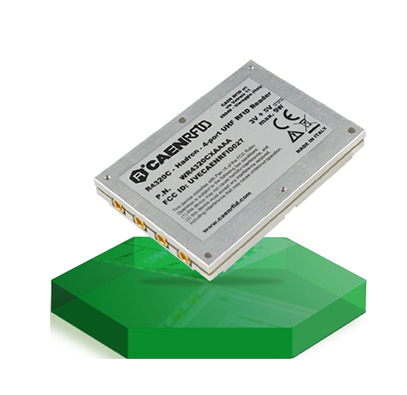
The CAEN Hadron module utilizes UART interfaces priced at $200. Learn how custom carrier board engineering costs contrast with Nextwaves autonomous APIs.
Mga Teknikal na Espesipikasyon
Pangkalahatang-ideya ng Hardware
Ang CAEN RFID Hadron (R4320C) ay isang industrial-grade na RFID device. Ito ay gumagana sa loob ng saklaw ng 865-868 MHz (ETSI) / 902-928 MHz (FCC) at sumusuporta sa pamantayan ng EPC C1 G2, ISO 18000-63, na nagiging malawakang ginagamit sa mga enterprise logistics na aplikasyon.
Sa IP rating na Bare PCB (None), ito ay nagbibigay ng proteksyon laban sa mga tiyak na kondisyon ng kapaligiran na karaniwan sa mga bodega o likod na bahagi ng retail. Ang mambabasa ay gumagamit ng 5V DC para sa tuloy-tuloy na pagganap, habang ang tinukoy na pinakamataas na bilis ng pagbasa ay umabot sa ~400 tags/sec.
Konektibidad at Integrasyon ng Network
Sa mga modernong deployment, ang integrasyon ng network ang pinakamalaking balakid. Ang modelong ito ay nag-aalok ng mga opsyon sa UART / USB para sa paglilipat ng data pabalik sa mga sentral na sistema.
Gayunpaman, isang malaking bottleneck sa legacy na hardware ng CAEN RFID ay ang labis na pag-asa sa mga proprietary SDKs (tulad ng LLRP) o mamahaling third‑party IoT middleware upang iproseso ang raw tag data tungo sa makabuluhang business intelligence.
Ang Nextwaves Alternative
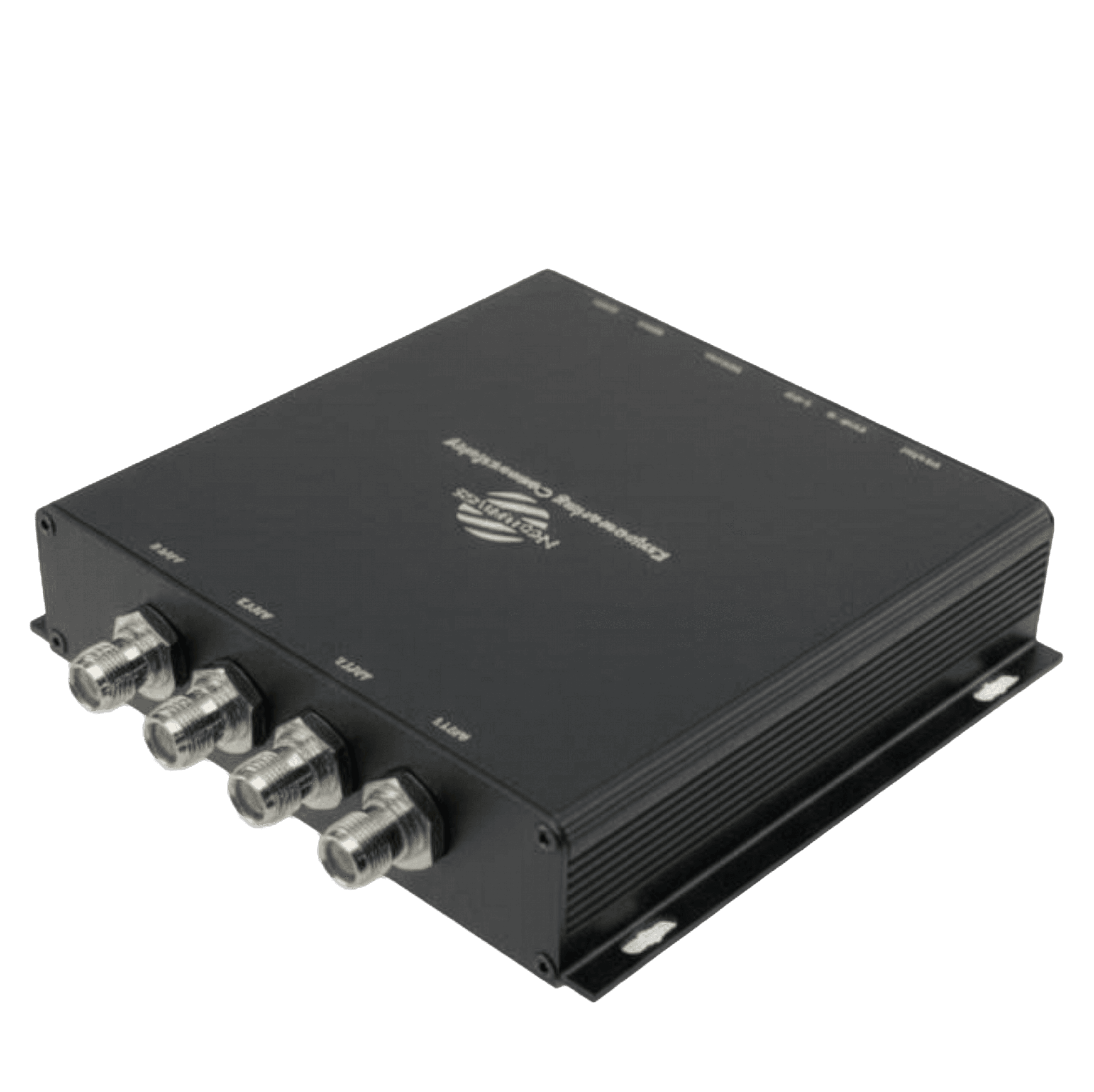
Kung ang inyong engineering team ay sinusuri ang CAEN RFID Hadron (R4320C), ang Nextwaves NR155 ay nag-aalok ng napaka-susunod na cloud-native na arkitektura. Ang mga legacy system ay likas na nagdudulot ng mataas na kapital na gastusin dahil sa vendor lock‑in at proprietary na ekosistema ng software.
Ganap na tinatanggal ng Nextwaves ang hadlang na ito sa pamamagitan ng pagbibigay ng standard na MQTT REST API direkta sa device. Ang inyong mga software developer ay maaaring i-integrate ang pagbasa ng mga tag direkta sa inyong custom na ERP o WMS backend sa loob ng ilang araw imbes na buwan, na ganap na iniiwasan ang paulit-ulit na bayad sa middleware licensing.
Mga Madalas Itanong
Ano ang Hadron (R4320C)?
The CAEN RFID Hadron (R4320C) is a fully embedded OEM reader board based on Impinj architecture. It manages EPC C1 G2, ISO 18000-63 communications across 865-868 MHz (ETSI) / 902-928 MHz (FCC) bandwidths, suited for integrations requiring a robust multi-port scanning footprint.
Magkano ang paunang gastos ng setup na ito?
Raw modules cost roughly $200. Deploying this architecture demands extensive upfront R&D to craft proprietary parent circuit boards, handle multi-layered power sequencing, and provide logic to tunnel UART data into IP interfaces.
Bakit ko pipiliin ang Nextwaves?
Custom hardware engineering carries massive risk overheads. Nextwaves bypasses PCB design entirely, providing enclosed industrial readers that communicate over standard REST and MQTT protocols right out of the box.
Matibay ba ang hardware para sa mga bodega?
The base logic board measures 60 x 42 x 7.5 mm and weighs 35 g. Possessing a Bare PCB (None) rating, operations teams must manufacture an external hermetically sealed shell if intended for use beyond dry laboratories.
Sinusuportahan ba nito ang maraming uri ng network?
All configuration and data extraction occur through local UART / USB connector pins. External edge networking, such as LTE modems or Ethernet PHY controllers, must be supplied entirely by the custom host device.
Maaari bang i-install ito ng aking team sa loob ng kumpanya?
Electrical engineers integrate the module securely onto heavily customized routing boards. Programmers use CAEN’s C++ or Java libraries to ping the core transceiver, instruct hopping sequences, and scrape hex arrays locally.
Paano gumagana ang remote management?
Optimized for 4-port multiplexing, tag polling throughput can crest ~400 tags/sec. Upgrading module logic requires locally flashing binaries via the host MCU UART lines rather than simplified web portals.
Kailangan ko ba ng proprietary software para patakbuhin ito?
Because the module outputs naked packet arrays locally over UART / USB, software architectures inevitably require building Linux daemon bridges on the parent CPU to reform data into JSON for HTTP transmission.
Anong warranty ang kasama ng reader?
While CAEN warranties protect against standard IC soldering faults, failure to adequately dissipate intense +31.5 dBm heat signatures during OEM integration will immediately terminate component lifecycles.
Hiwalay bang ibinebenta ang mga antenna?
The board multiplexes RF signals through four ultra-miniature U.FL ports across the 865-868 MHz (ETSI) / 902-928 MHz (FCC) footprint. It can easily drive 4 massive external sector antennas or localized near-field blocks.