Search Time & Buffers
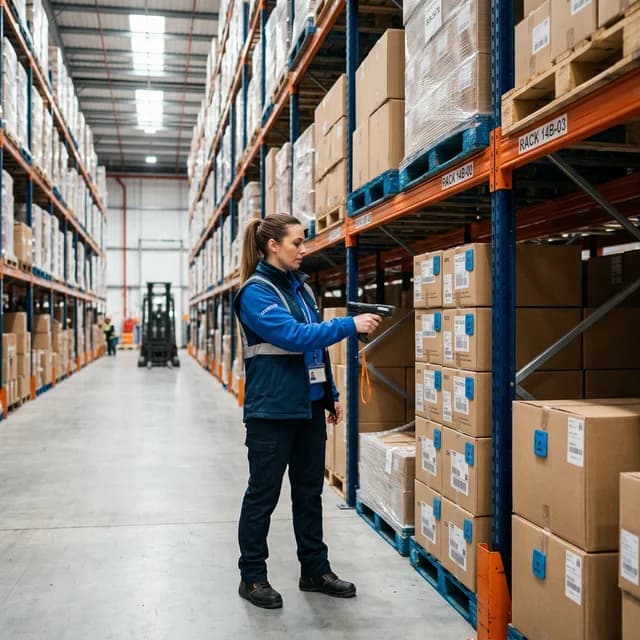
The average industrial worker spends 10-15% of their shift looking for things. This non-value-added time creates artificial capacity constraints, forcing factories to hold larger buffers of WIP to compensate.
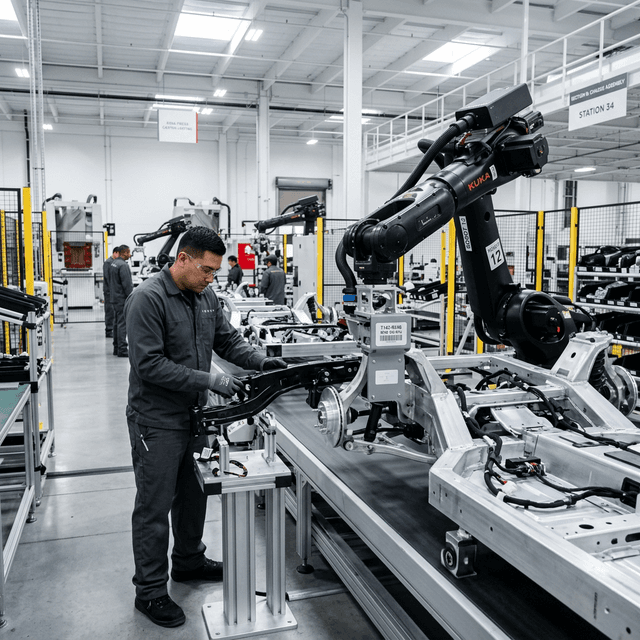
Modern manufacturing is a high-stakes environment where minutes of downtime cost thousands of dollars. Despite advanced robotics and ERP systems, the 'connective tissue' of the factory - the movement of Work-in-Progress (WIP), tools, and raw materials - often remains a manual black box.
Managers ask: 'Where is Order #504?' 'Where is the calibrated torque wrench?' 'Why is Line B stalled?' The answers are hidden because the physical assets are disconnected from the digital system. Operators waste critical hours searching for tools (Search Time). Production planners schedule based on theoretical capacity, not real-time status (Buffers).
In regulated industries like Aerospace and Defense, this visibility gap is a compliance risk. Foreign Object Debris (FOD) left inside an assembly can be catastrophic. Missing genealogy data can trigger massive recalls.
The average industrial worker spends 10-15% of their shift looking for things. This non-value-added time creates artificial capacity constraints, forcing factories to hold larger buffers of WIP to compensate.
Because tools are hard to find, workers hoard them in unauthorized lockers. The factory buys more tools than it needs, yet availability remains low.
If a defect is found, can you trace exactly which batch of glue was used, which tool applied it, and who the operator was? Without RFID, this 'Genealogy' is often incomplete manual paperwork.
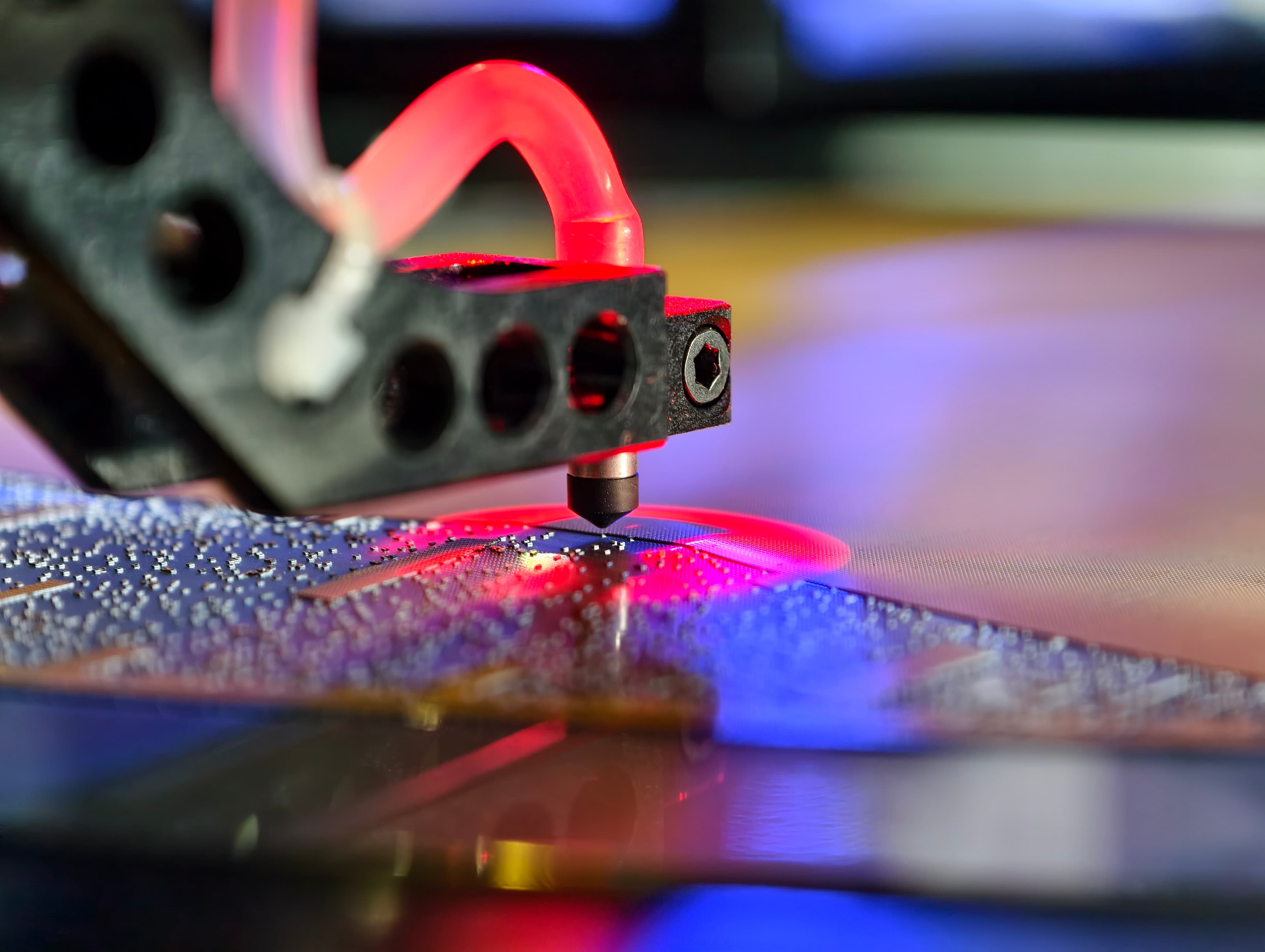
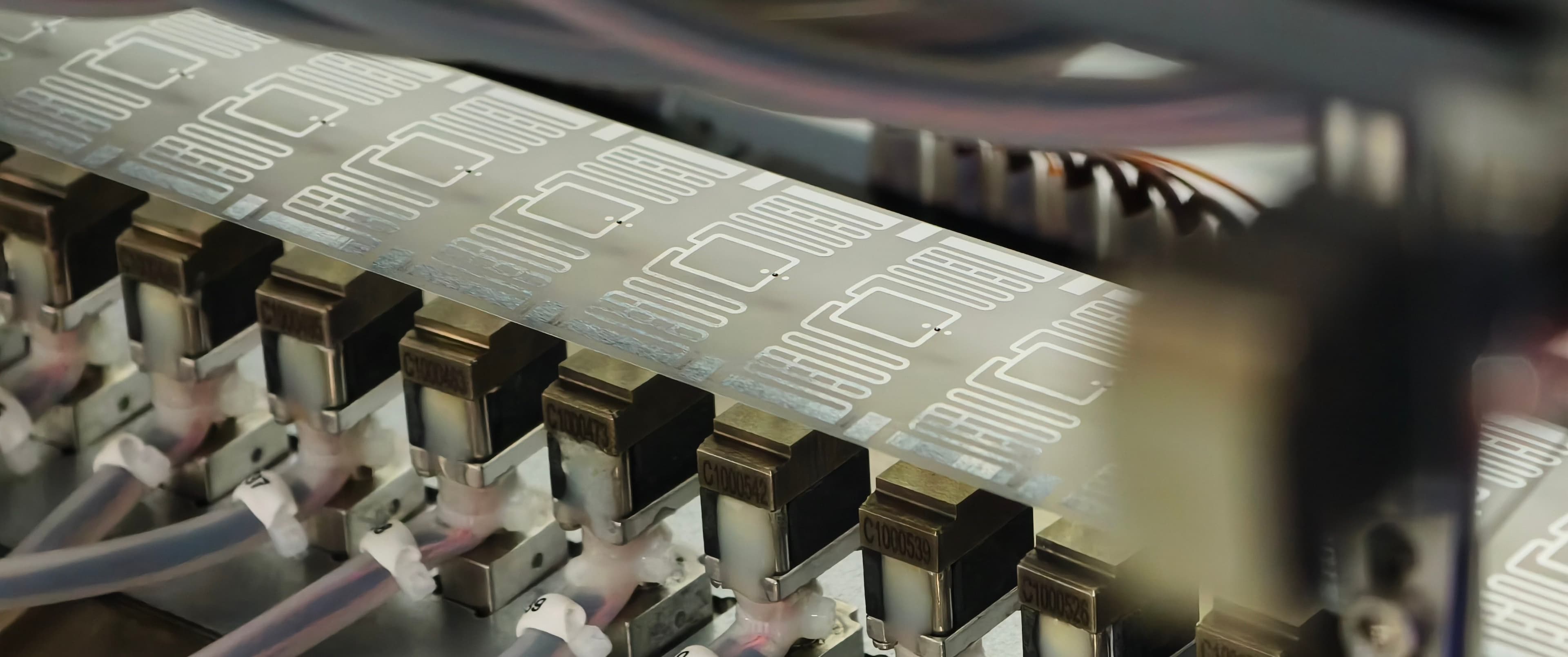
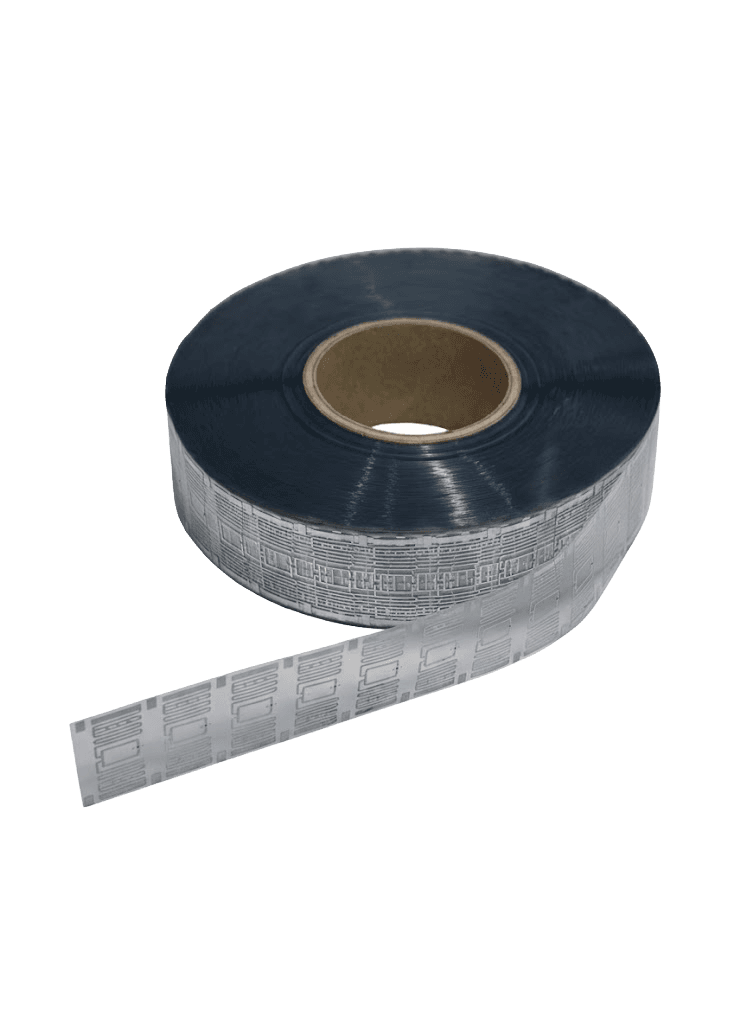
Nextwaves deploys an Industrial IoT layer over your existing OT/IT infrastructure. We attach specialized, high-durability RFID tags to every moving element: the parts (WIP), the carriers (skids/totes), and the tools. These tags are engineered to survive autocalves, acid baths, paint ovens (250°C), and shot blasting.
We blanket the facility with a grid of readers - at workstations, choke points, and tool cribs. As assets move, they update their own status. A tool 'checks itself out' when it leaves the crib. A product 'updates its operation' when it arrives at Station 5.
This data feeds into our 'Factory Twin' middleware, which orchestrates logic: 'If Tool A is not calibrated, do not enable Station B.' 'If Order 504 arrives at Paint, trigger ERP update.' The factory becomes self-aware and self-reporting.
With real-time visibility, you can slash safety buffers and move to true Just-In-Time flow.
Automated tool accountability. Ensure 100% of tools issued are returned before the product leaves the cell.
Track tool usage cycles (shots, hours). Service molds and dies based on actual wear, avoiding premature or late maintenance.
Smart conveyors can automatically route defective products to rework lines based on RFID tag data.
A manufacturer of jet engines required absolute accountability for 50,000+ hand tools to prevent Foreign Object Damage (FOD). A single lost socket could ground a test flight.
Standard retail tags fail quickly in industrial environments. heat melts the adhesive, metal surfaces detune the antenna, and paint lines coat the chip beyond readability. We select and test tags specifically for your environment: ceramic-backed on-metal tags for steel components, high-temp variants rated to 250°C for paint ovens, and flexible encapsulated tags for tooling that gets dropped.
Our readers are mounted at every meaningful choke point: tool crib exits, station entries, final inspection gates. As assets flow through, the system updates their status automatically. no operator input required. A calibrated tool that is overdue for service is flagged before it reaches the line.
The tag doesn't stop being useful once the product leaves the factory. We are working with manufacturers to keep the same tag active through distribution, retail sale, and eventually end-of-life recycling. creating a single unbroken digital record for the product's entire journey.
This 'Digital Product Passport' approach is also becoming a regulatory requirement in the EU. Products will need to carry proof of their material composition and sustainability data. The infrastructure you build for manufacturing traceability today becomes your compliance backbone tomorrow.
Complete RFID kit for warehouses. Plug in, tag, scan - full inventory in 15 minutes.
Turn your physical assets into digital data streams. Optimize now.