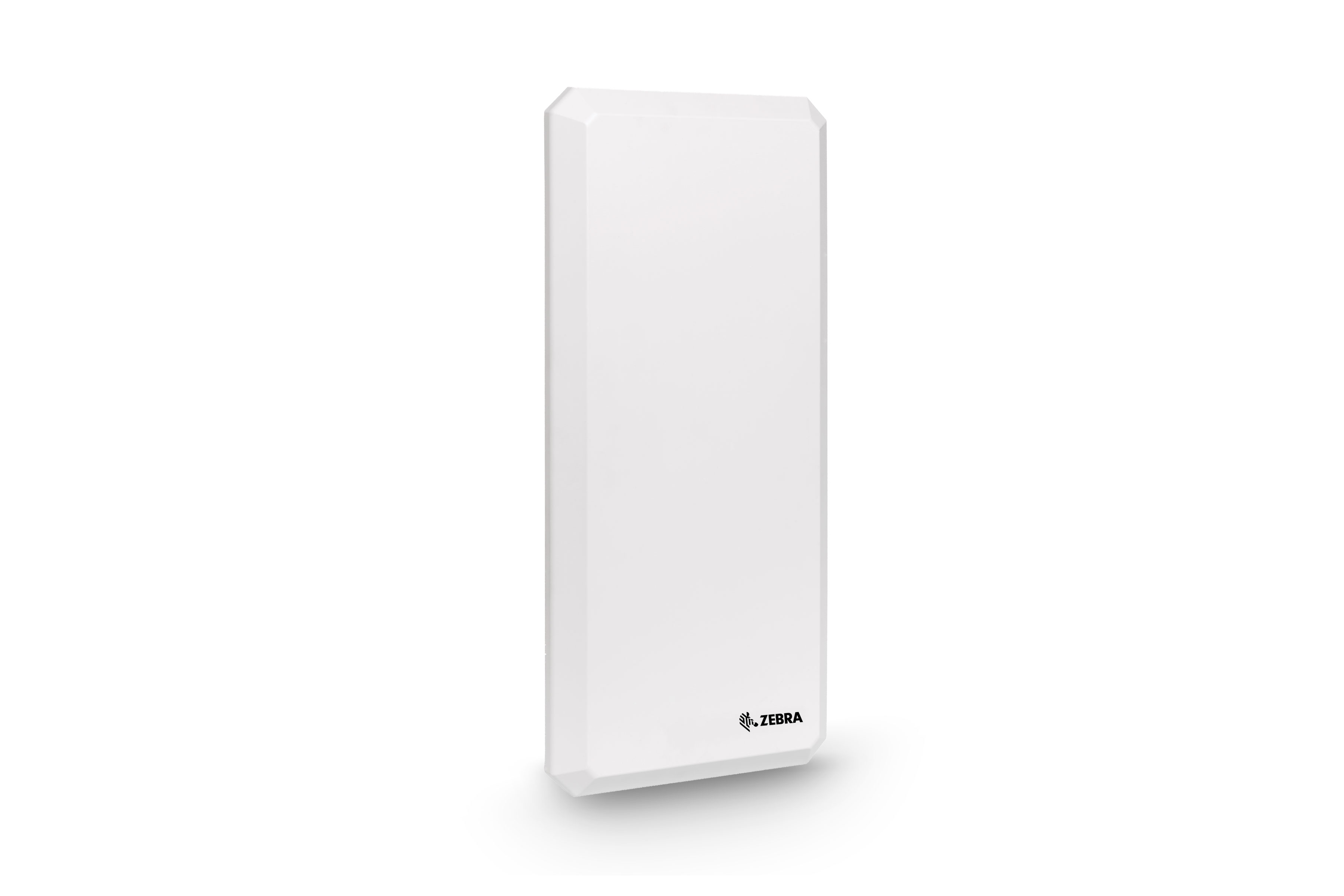
The Zebra AN440 is a massive 1.9 kg dual-element antenna for complex docks. Analyze its 571 x 251 mm footprint against sleek Nextwaves integrated designs.
තාක්ෂණික පිරිවිතර
දෘඩාංග දළ විශ්ලේෂණය
Zebra AN440 යනු කාර්මික ශ්රේණියේ RFID උපාංගයකි. එය 902-928 MHz / 865-868 MHz පරාසය තුළ ක්රියාත්මක වන අතර N/A (Passive Antenna Element) ප්රමිතියට සහය දක්වයි, එමඟින් ව්යවසාය සැපයුම් යෙදුම් හරහා පුළුල් ලෙස යොදවනු ලැබේ.
IP67 හි IP ශ්රේණිගත කිරීමක් සමඟින්, ගබඩාවල හෝ සිල්ලර බඩු කාමරවල සාමාන්ය පාරිසරික තත්ත්වයන්ට එරෙහිව එය ආරක්ෂාව සපයයි. පාඨකයා අඛණ්ඩ ක්රියාකාරිත්වය සඳහා N/A (Passive) භාවිතා කරයි, එහි උපරිම කියවීමේ වේගය N/A (Passive) හිදී උපරිම වේ.
සම්බන්ධතාවය සහ ජාල ඒකාබද්ධතාවය
නවීන යෙදවුම් වලදී, ජාල ඒකාබද්ධතාවය වඩාත්ම වැදගත් බාධකය වේ. මෙම ආකෘතිය මගින් දත්ත මධ්යම පද්ධති වෙත මාරු කිරීම සඳහා Dual Type N Female විකල්ප ලබා දෙයි.
කෙසේ වෙතත්, උරුම Zebra දෘඩාංග වල ප්රධාන බාධාවක් වන්නේ, අමු ටැග් දත්ත අර්ථවත් ව්යාපාරික බුද්ධිය බවට සැකසීම සඳහා හිමිකාර SDKs (LLRP වැනි) හෝ මිල අධික තෙවන පාර්ශවීය IoT මෘදුකාංග මත දැඩි ලෙස රඳා පැවතීමයි.
Nextwaves විකල්පය
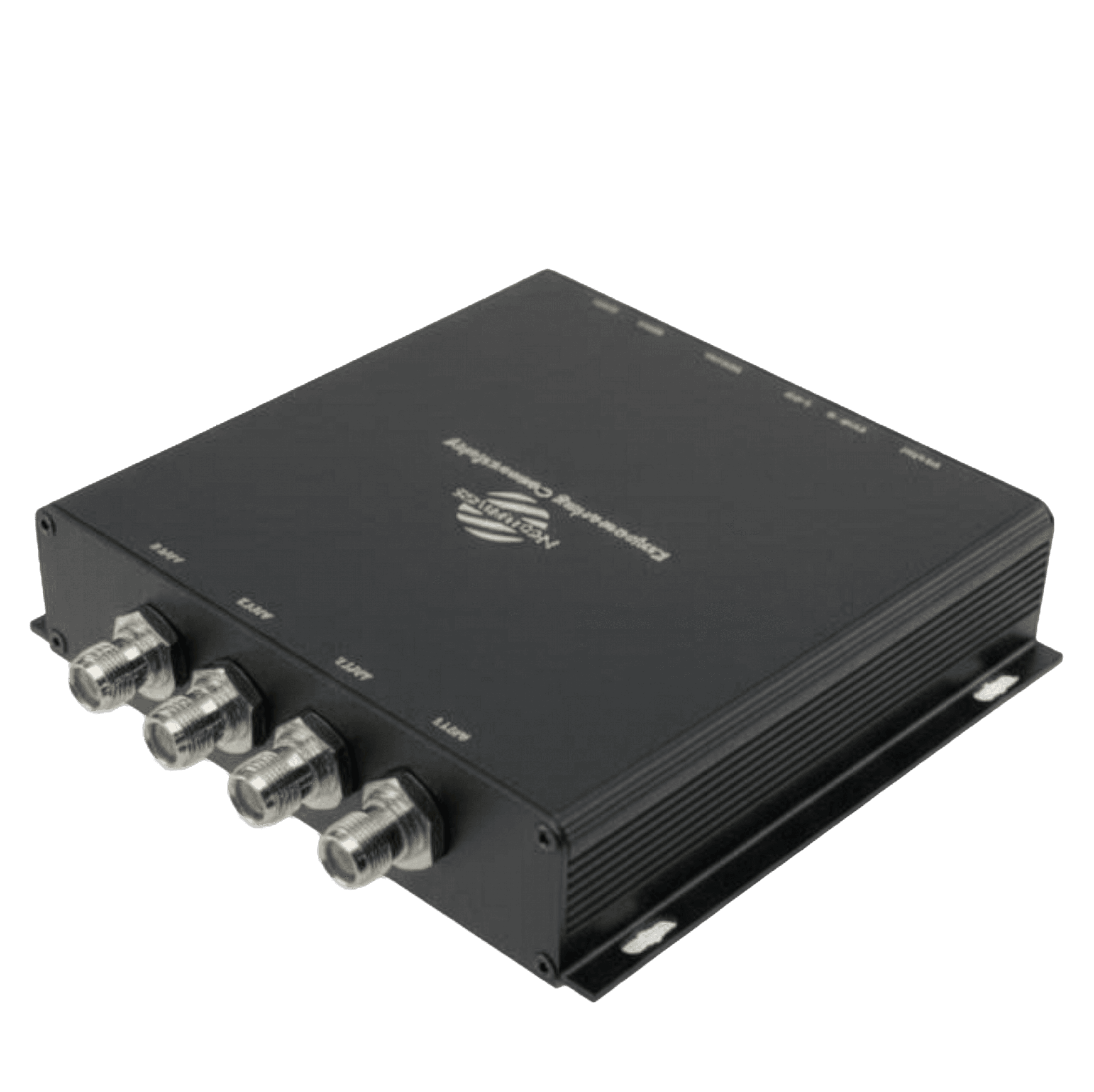
ඔබගේ ඉංජිනේරු කණ්ඩායම Zebra AN440 ඇගයීමට ලක් කරන්නේ නම්, Nextwaves NR155 මගින් ඉතා උසස් වලාකුළු-ආශ්රිත ගෘහ නිර්මාණ ශිල්පයක් ඉදිරිපත් කරයි. උරුම පද්ධති මගින් විකුණුම්කරු අගුලු දැමීම සහ හිමිකාර මෘදුකාංග පරිසර පද්ධති හරහා ඉහළ ප්රාග්ධන වියදම් ස්වභාවයෙන්ම ධාවනය වේ.
උපාංගය මත කෙලින්ම සම්මත MQTT REST API එකක් ලබා දීමෙන් Nextwaves මෙම බාධකය සම්පූර්ණයෙන්ම ඉවත් කරයි. ඔබේ මෘදුකාංග සංවර්ධකයින්ට පුනරාවර්තන middleware බලපත්ර ගාස්තු සම්පූර්ණයෙන්ම මගහරිමින්, දින කිහිපයකින් ඔබේ අභිරුචි ERP හෝ WMS පසුපසට ටැග් කියවීම කෙලින්ම ඒකාබද්ධ කළ හැකිය.
නිතර අසන ප්රශ්න
AN440 යනු මොකක්ද?
The Zebra AN440 is a large, ruggedized dual-element RFID antenna designed for wide-area coverage and high-density dock doors. It broadcasts across 902-928 MHz / 865-868 MHz frequencies but processes no data natively, acting strictly as a passive element.
මෙම සැකසුම සඳහා මුලින් කොපමණ මුදලක් වැය වේද?
Pricing sits roughly at $300. This is purely for the antenna casing itself; deployments also mandate sourcing expensive coaxial N-Type junction cables, heavy gauge mounting poles, and a separate four-port enterprise RFID reader (like an FX9600).
මම Nextwaves තෝරාගත යුත්තේ ඇයි?
Building legacy portals involves routing heavy coaxial cables into switch boxes. Nextwaves supplies single-integrated reader/antenna slabs that plug directly into standard PoE networking switches, eliminating complex impedance tuning.
මෙම දෘඩාංග ගබඩා සඳහා ප්රමාණවත් තරම් කල් පවතිනවාද?
The unit boasts an IP67 rating constructed out of UV-stable plastics and aluminum. Measuring an incredibly massive 571.5 x 251.4 x 39.8 mm and weighing 1.9 kg, it requires specialized, heavy-duty mounting hardware capable of withstanding industrial wind sheer.
එය බහු ජාල වර්ග සඳහා සහය දක්වයිද?
Data connectivity is completely irrelevant as this is merely a broadcast plate. The Dual Type N Female RF ports connect strictly to thick, heavily shielded RF cables linking backward to the central proprietary interrogator.
මගේ කණ්ඩායමට මෙය අභ්යන්තරව ස්ථාපනය කළ හැකිද?
Technicians securely mount the heavy frame to bay doors using specialized articulating VESA arms. The installation requires fine impedance tuning using RF spectrum tools to negate line-loss experienced across the massive N-type cable runs.
දුරස්ථ කළමනාකරණය ක්රියා කරන්නේ කෙසේද?
It possesses zero N/A (Passive) rating and requires zero firmware. The actual decoding speed is managed entirely by the centralized reader unit that pulses current into it.
එය ක්රියාත්මක කිරීමට මට හිමිකාර මෘදුකාංගයක් අවශ්යද?
Software integration does not apply to passive elements. Engineers must focus their backend coding efforts exclusively on the external reader module that sources energy outwards through the Dual Type N Female connectors.
රීඩරය සමඟ ලැබෙන වගකීම් මොනවාද?
Constructed for brutal outdoor logistics, its aluminum housing prevents weather degradation over significant lifespans. Warranties only protect against internal soldering breaks disconnected from physical impacts.
ඇන්ටනා වෙන වෙනම විකුණනු ලැබේද?
Generating enormous 9.0 dBic Dual-Circular polarization across the 902-928 MHz / 865-868 MHz bandwidths. Providing distinct dual ports, operators can configure complex bi-static (read/write separated) logic flows.