Slutt å miste salg til phantom inventory. Vet nøyaktig hva du har, hvor det er, hver time av hver dag.
I over femti år har strekkoden Universal Product Code (UPC) vært ryggraden i detaljhandelen. Den standardiserte handel, gjorde det mulig å skanne ved kassen og la grunnlaget for den første generasjonen av datastyrt lagerstyring. Men strekkoden har en fatalt svakhet: den er blind. Den krever fri sikt, den krever manuelle inngrep, og den kan ikke skille mellom to identiske varer. Begrensningen har ført til en global krise kjent som «Inventory Distortion» – et billionkroners problem der forhandlere rett og slett ikke vet hva de har.
Synlighet i detaljhandelens varelagerVår tilnærmingDette får duCasestudie
Problemet
Problemet med lagerforvrengning
I over femti år har strekkoden Universal Product Code (UPC) vært ryggraden i detaljhandelen. Den standardiserte handel, gjorde det mulig å skanne ved kassen og la grunnlaget for den første generasjonen av datastyrt lagerstyring. Men strekkoden har en fatalt svakhet: den er blind. Den krever fri sikt, den krever manuelle inngrep, og den kan ikke skille mellom to identiske varer. Begrensningen har ført til en global krise kjent som «Inventory Distortion» – et billionkroners problem der forhandlere rett og slett ikke vet hva de har.
I den moderne, omnichannel virkeligheten er denne blindheten eksistensiell. Når en kunde bestiller en vare på nett for henting i butikk (BOPIS), sjekker systemet lagerdatabasen. Databasen sier «Antall: 1». Men finnes varen der? Er den i bakrommet? Er den i prøverommet? Har den blitt stjålet? Eller ble den solgt i går, men databasen ble ikke oppdatert?
Resultatet er en sårbar forsyningskjede som holdes oppe av «sikkerhetslager» – overflødig lager kjøpt bare for å kompensere for unøyaktighetene i dataene. Forhandlere drukner i lager de ikke kan selge, samtidig som de mister salg på varer de strengt tatt «har», men ikke finner. Den manuelle syklustellingen – den tradisjonelle løsningen – er for treg, for dyr og for utsatt for feil til å løse dette. Bransjen trenger et paradigmeskifte fra «skanning» til «sensorering».
Viktige utfordringer 01
Fantomlager
Datadrift innebærer gradvis frakobling av fysisk virkelighet fra digitale poster. 'Phantom Inventory' oppstår når systemer viser lager som ikke eksisterer, noe som fører til at 22 % av BOPIS-bestillinger kanselleres og ødelegger kundelojaliteten.
Viktige utfordringer 02
Arbeidsutnyttelse
I en ikke-RFID-butikk bruker ansatte 20-30 % av tiden sin på å søke etter produkter eller utføre manuelle telling. Dette er høykostnadsarbeid som avledes fra hovedmålet: kundeservice og salg.
Viktige utfordringer 03
Svinn og gråmarkeder
Uten serialisert identitet (EPC) er en stjålet vare bare 'minus én'. Forhandlere kan ikke spore organiserte detaljhandelskriminalitetsmønstre (ORC) eller identifisere om returnerte varer faktisk er forfalskninger kjøpt fra gråmarkeder.
Vår tilnærming
Den digitale tvillingarkitekturen
Nextwaves implementerer en «Source-to-Store»-arkitektur basert på EPC Gen2 V2-standarden. Den starter ikke i butikken, men på produksjonsstedet. Ved å bygge inn en passiv UHF RFID-inlay i care label eller prislapp fra fabrikken, gir vi hver unik vare en digital sjel – en serielt nummerert Electronic Product Code (EPC).
Når disse varene beveger seg gjennom forsyningskjeden, passerer de «Read Points» – tunnel-lesere ved distribusjonssentre, overhead-arrays i klargjøringssoner og til slutt håndholdte skanninger i butikk. I motsetning til strekkoder bruker disse leserne radiobølger til å aktivere taggene, slik at de kan lese hundrevis av varer per sekund uten visuell kontakt.
Dette skaper et sanntids «Digital Twin» av lageret. Når en forsendelse ankommer butikken, telles den ikke manuelt – den blir verifisert umiddelbart. Når en kunde prøver en skjorte, oppdager et smart prøverom det. Når en vare forlater butikken, oppdaterer EAS-portene lageret umiddelbart. Vi går fra «Inventory Estimation» til «Inventory Certainty».
Dette får du
Strategisk ROI og innvirkning
01
99,9 % Nøyaktighet
Oppnå absolutt lagerkontroll. Aktiver 'Tilgjengelig å love' (ATP) for e-handel med null buffert lager.
02
Konverteringsløft
Pilotdata viser en konsekvent økning i salget på 5-15 %. Hvis det er på gulvet, selger det. Hvis det er på lageret, gjør det ikke det.
03
Tapsinnsikt
Ikke bare pip ved døren. Vet nøyaktig HVA som ble stjålet, NÅR, og fyll det på umiddelbart.
04
Smarte opplevelser
Aktiver 'Magiske speil' som anbefaler matchende varer basert på hva kunden tok med inn i prøverommet.
Casestudie
Casestudie: Uniqlo sin RFID‑transformasjon
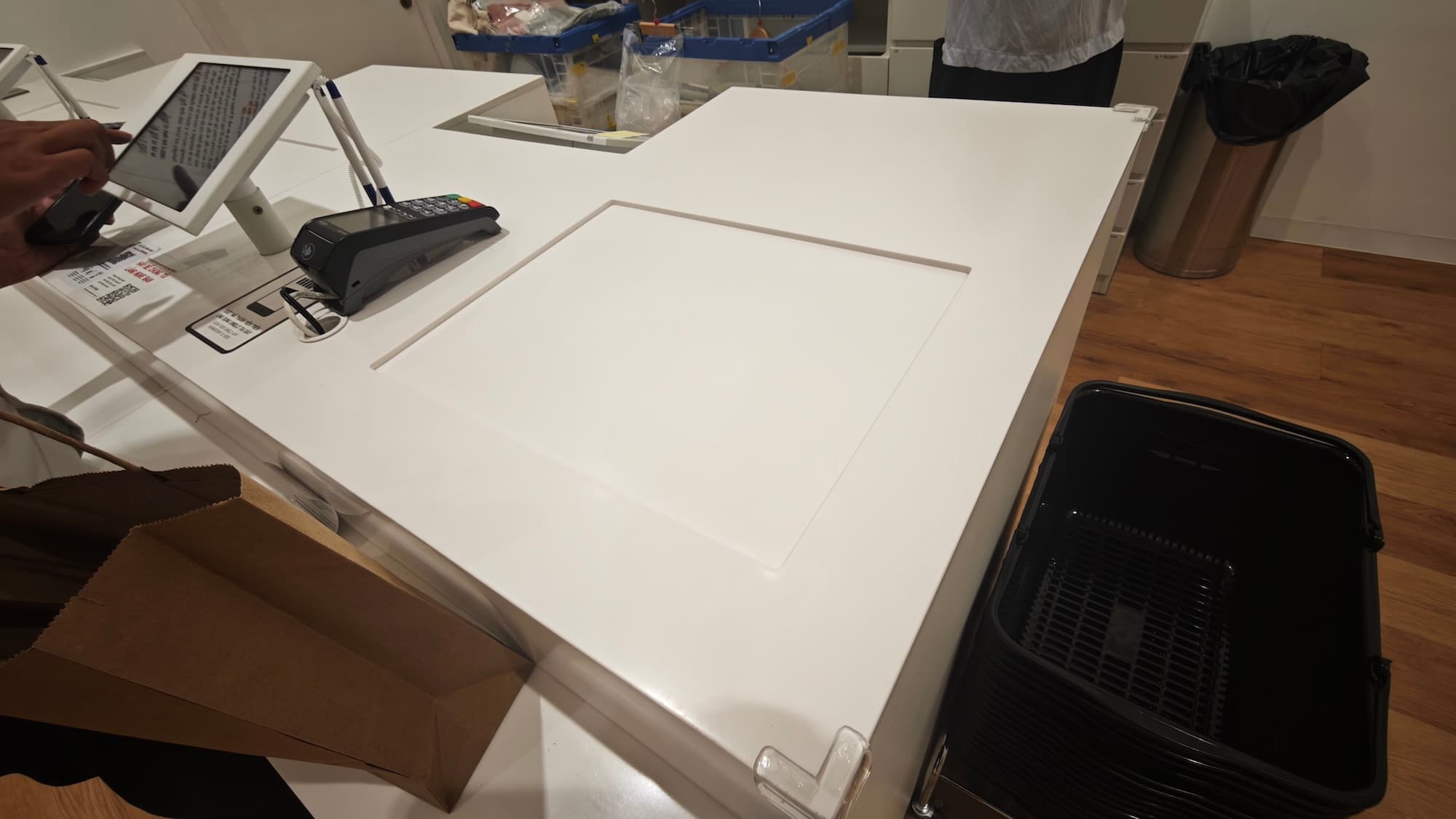
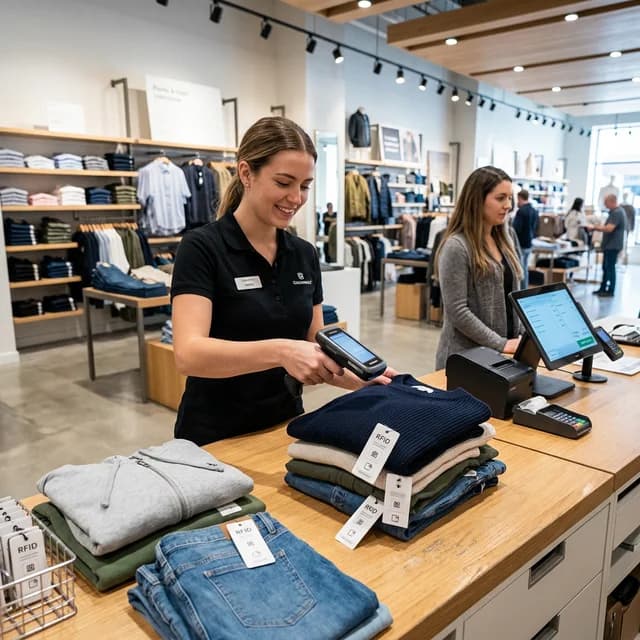
Ved å integrere RFID‑tagger i hvert eneste produkt oppnådde Uniqlo nesten 100 % lagernøyaktighet. Men den virkelige magien skjer i kassen: kundene slipper enkelt varene sine i en automatisert beholder som umiddelbart leser alle RFID‑tagger samtidig. Denne friksjonsfrie opplevelsen reduserte ventetiden drastisk, eliminerte køer i kassen, og gjorde at butikkpersonalet kunne fokusere på kundeservice i stedet for å skanne strekkoder. Den resulterende datainnsikten betyr også at de vet nøyaktig når en bestemt størrelse eller farge må etterfylles, noe som i praksis eliminerer utsolgte varer og øker totalomsetningen.
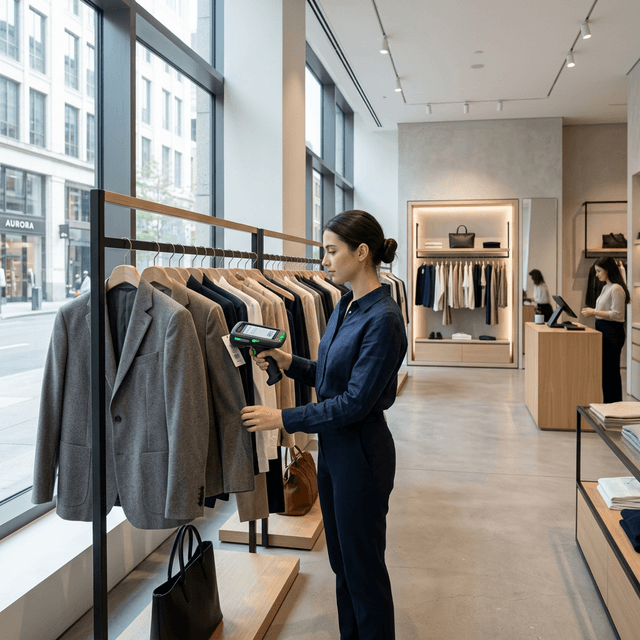
Hver vare får en unik digital identitet på produksjonstidspunktet. En passiv UHF RFID-tag som koster mindre enn en papirlapp, men som bærer en serielt nummerert kode som aldri kan kopieres. Når en håndholdt leser skanner over et stativ med 500 skjorter, er alle 500 telt på under 3 sekunder. Ingen lossing, ingen én-og-én-skanning.
Systemet bruker standard GS1 EPC Gen2 V2-tag-er, som inkluderer anti-cloning-autentisering. Dette er viktig for høyverdige og luksuriøse varer der kopier er en reell risiko. Edge-programvaren vår filtrerer ut støy (tagger lest fra feil sone, delvise lesinger fra metallinnredning), slik at det som når dashbordet ditt er rent og handlingsklart.
Alt kobles tilbake til din eksisterende WMS eller ERP i sanntid. Tenk på det som å gi lageret ditt et hjerteslag. Systemet vet alltid hva som har beveget seg, hvor det er, og når det ankom.
Hva skjer videre
Hva kommer etter nøyaktighet
Når lageret er nøyaktig, er neste transformasjon å fjerne friksjonen helt. Vi piloterer «Grab-and-Go»-butikkformater der kunder kan gå ut uten å stoppe ved kassen. Systemet leser handlekurven ved utgangen og belaster kontoen deres automatisk.
Den samme infrastrukturen driver smarte prøverom som gir anbefalinger av antrekk, dynamiske påfyllingsvarsler som trigges før en hylle blir tom, og tapssikring som forteller nøyaktig hva som ble tatt og når. Nøyaktighet var fundamentet. Den virkelige verdien er det du bygger oppå.
Starterpakker
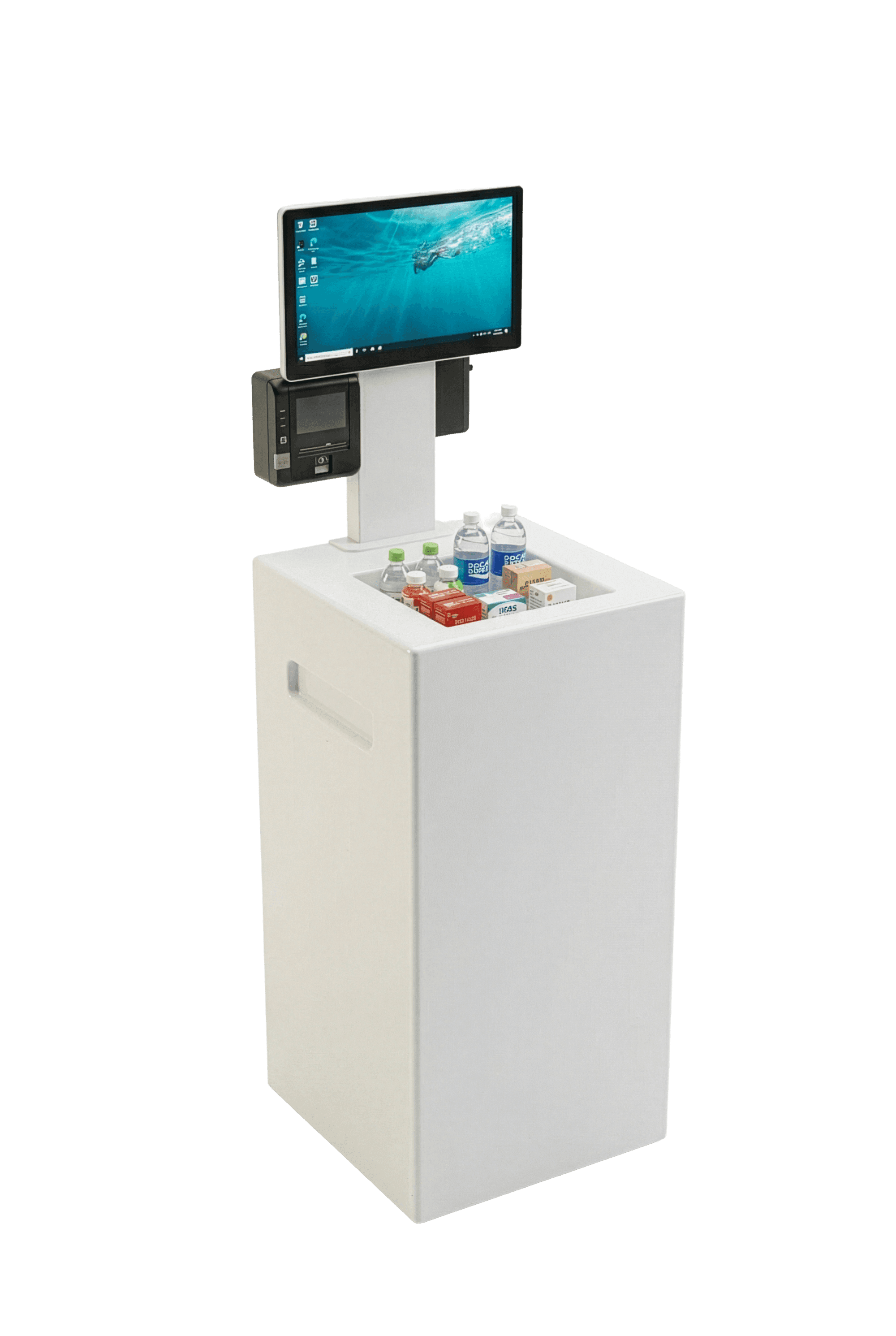
Klar-til-bruk RFID-sett
Frakr10,420
Retail-startpakke
Fremskynd utsjekking og automatiser lagertelling for motebutikker, kosmetikkforretninger og detaljhandelskjeder.