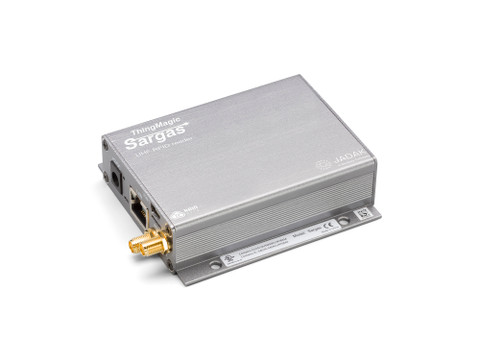
The Sargas 2-Port is a compact edge computing reader operating on UHF/RAIN frequencies. Starting at $1000. See how it compares to Nextwaves open architecture.
Tehniskās specifikācijas
Aparatūras pārskats
ThingMagic (JADAK) Sargas (2-Port) ir rūpnieciskas klases RFID ierīce. Tā darbojas UHF/RAIN (global) diapazonā un atbalsta EPC Gen2V2, ISO 18000-63, Gen2X standartu, padarot to plaši izmantotu uzņēmumu loģistikas lietojumprogrammās.
Ar IP vērtējumu IP52, tas nodrošina aizsardzību pret specifiskiem vides apstākļiem, kas ir tipiski noliktavās vai mazumtirdzniecības aizmugures telpās. Lasītājs izmanto 4.5-5.5V DC nepārtrauktai darbībai, savukārt tā norādītais maksimālais lasīšanas ātrums ir 750.
Savienojamība un tīkla integrācija
Mūsdienu izvietojumos tīkla integrācija ir vissvarīgākais šķērslis. Šis modelis piedāvā RJ45, USB A/B, Micro-SD, 4 GPIO opcijas datu pārsūtīšanai atpakaļ uz centrālajām sistēmām.
Tomēr galvenais šķērslis ar mantoto ThingMagic (JADAK) aparatūru ir lielā atkarība no patentētiem SDK (piemēram, LLRP) vai dārga trešās puses IoT starpprogrammatūras, lai apstrādātu neapstrādātus tagu datus jēgpilnā biznesa informācijā.
Nextwaves alternatīva
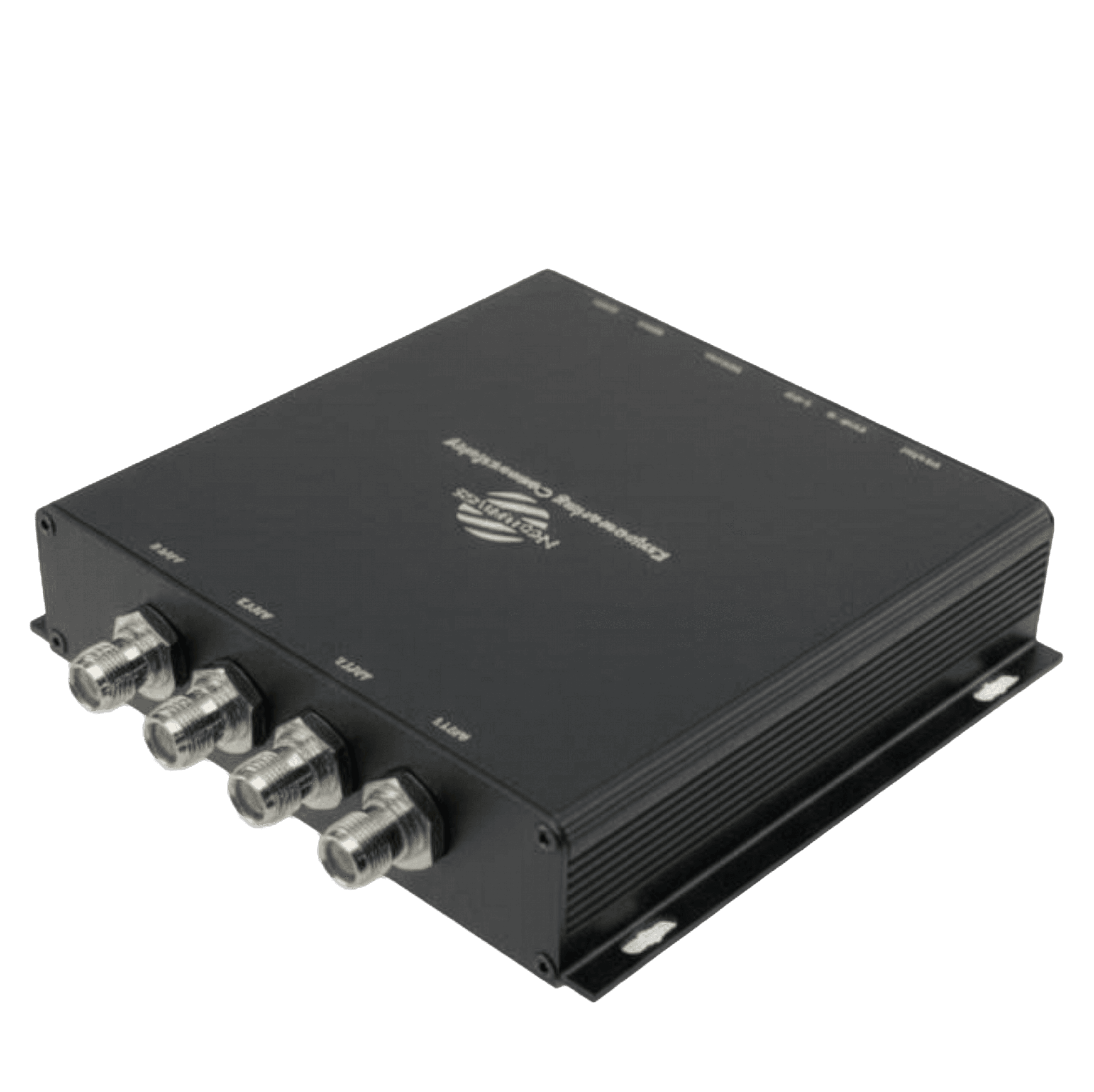
Ja jūsu inženieru komanda izvērtē ThingMagic (JADAK) Sargas (2-Port), Nextwaves NR155 piedāvā ievērojami labāku mākoņdatošanas arhitektūru. Mantotās sistēmas pēc būtības rada augstus kapitāla izdevumus, izmantojot pārdevēja bloķēšanu un patentētās programmatūras ekosistēmas.
Nextwaves pilnībā novērš šo barjeru, nodrošinot standarta MQTT REST API tieši ierīcē. Jūsu programmatūras izstrādātāji var integrēt tagu nolasīšanu tieši jūsu pielāgotajā ERP vai WMS fona sistēmā dažu dienu, nevis mēnešu laikā, pilnībā apiet atkārtotas starpprogrammatūras licencēšanas maksas.
Bieži uzdotie jautājumi
Kas ir Sargas (2-Port)?
The ThingMagic (JADAK) Sargas 2-Port is an embedded edge reader designed around the M6e Micro module. Operating on the UHF/RAIN (global) band, it is built to handle strict EPC Gen2V2, ISO 18000-63, Gen2X protocol standards within a compact footprint.
Cik šī iekārta maksā sākotnēji?
The unit retails around $1000. Comprehensive project budgeting must also account for two external RP-SMA antennas, required coaxial cabling, and the provision of a steady 4.5-5.5V DC power source.
Kāpēc man vajadzētu izvēlēties Nextwaves?
Nextwaves provides embedded REST API and MQTT endpoints natively on the hardware. Software engineering teams bypass the proprietary Mercury API format and integrate JSON RFID events directly into modern cloud management systems.
Vai aparatūra ir pietiekami izturīga noliktavām?
The aluminum enclosure weighs approximately 0.27 kg and measures 87 x 80 x 23.8 mm. This compact IP52-rated chassis is easily embedded inside smart cabinets or secondary industrial enclosures.
Vai tā atbalsta vairākus tīkla veidus?
Network integration utilizes RJ45, USB A/B, Micro-SD, 4 GPIO connections. The 4 hardware logic GPIO pins are frequently used to trigger scanning based on external photoelectric sensors or PLC relays.
Vai mana komanda var to instalēt iekšēji?
Hardware mounting utilizes standard corner flange holes. To optimize detection, software teams must utilize custom C/C++ or Java routines via the Mercury API to finely tune power amplitude curves based on environmental reflections.
Kā darbojas attālā pārvaldība?
Under optimal tuning parameters, the micro-module core is rated up to 750 tag reads per second. Remote administration is heavily reliant on JADAK's custom Universal Reader Assistant suite.
Vai man ir nepieciešama patentēta programmatūra, lai to palaistu?
Typically, bridging data from the RJ45, USB A/B, Micro-SD, 4 GPIO ports into modern web stacks requires an intermediate middleware system or proprietary SDK implementation, which increases technical debt.
Kāda garantija ir lasītājam?
The manufacturer provides a standard one-year hardware warranty against component failure. Critical integration paths should often be supplemented by authorized VAR support agreements.
Vai antenas tiek pārdotas atsevišķi?
External antennas must be attached to the two RP-SMA terminal ports. Tuning the system dynamically across the UHF/RAIN (global) band is necessary to prevent FCC/ETSI non-compliance while maximizing read strength.