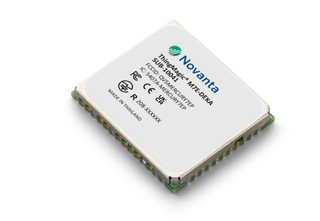
The ThingMagic M7e-Deka is a miniature $120 UHF module based on the Impinj E310 core. Understand the engineering costs for deep hardware embedding.
Tehniskās specifikācijas
Aparatūras pārskats
ThingMagic (JADAK) M7e-Deka ir rūpnieciskas klases RFID ierīce. Tā darbojas Global (860-960 MHz) diapazonā un atbalsta EPC Gen2v2, ISO 18000-63 standartu, padarot to plaši izmantotu uzņēmumu loģistikas lietojumprogrammās.
Ar IP vērtējumu Bare PCB (None), tas nodrošina aizsardzību pret specifiskiem vides apstākļiem, kas ir tipiski noliktavās vai mazumtirdzniecības aizmugures telpās. Lasītājs izmanto 3.3V to 5.25V DC nepārtrauktai darbībai, savukārt tā norādītais maksimālais lasīšanas ātrums ir up to ~300 tags/sec.
Savienojamība un tīkla integrācija
Mūsdienu izvietojumos tīkla integrācija ir vissvarīgākais šķērslis. Šis modelis piedāvā UART Serial / USB opcijas datu pārsūtīšanai atpakaļ uz centrālajām sistēmām.
Tomēr galvenais šķērslis ar mantoto ThingMagic (JADAK) aparatūru ir lielā atkarība no patentētiem SDK (piemēram, LLRP) vai dārga trešās puses IoT starpprogrammatūras, lai apstrādātu neapstrādātus tagu datus jēgpilnā biznesa informācijā.
Nextwaves alternatīva
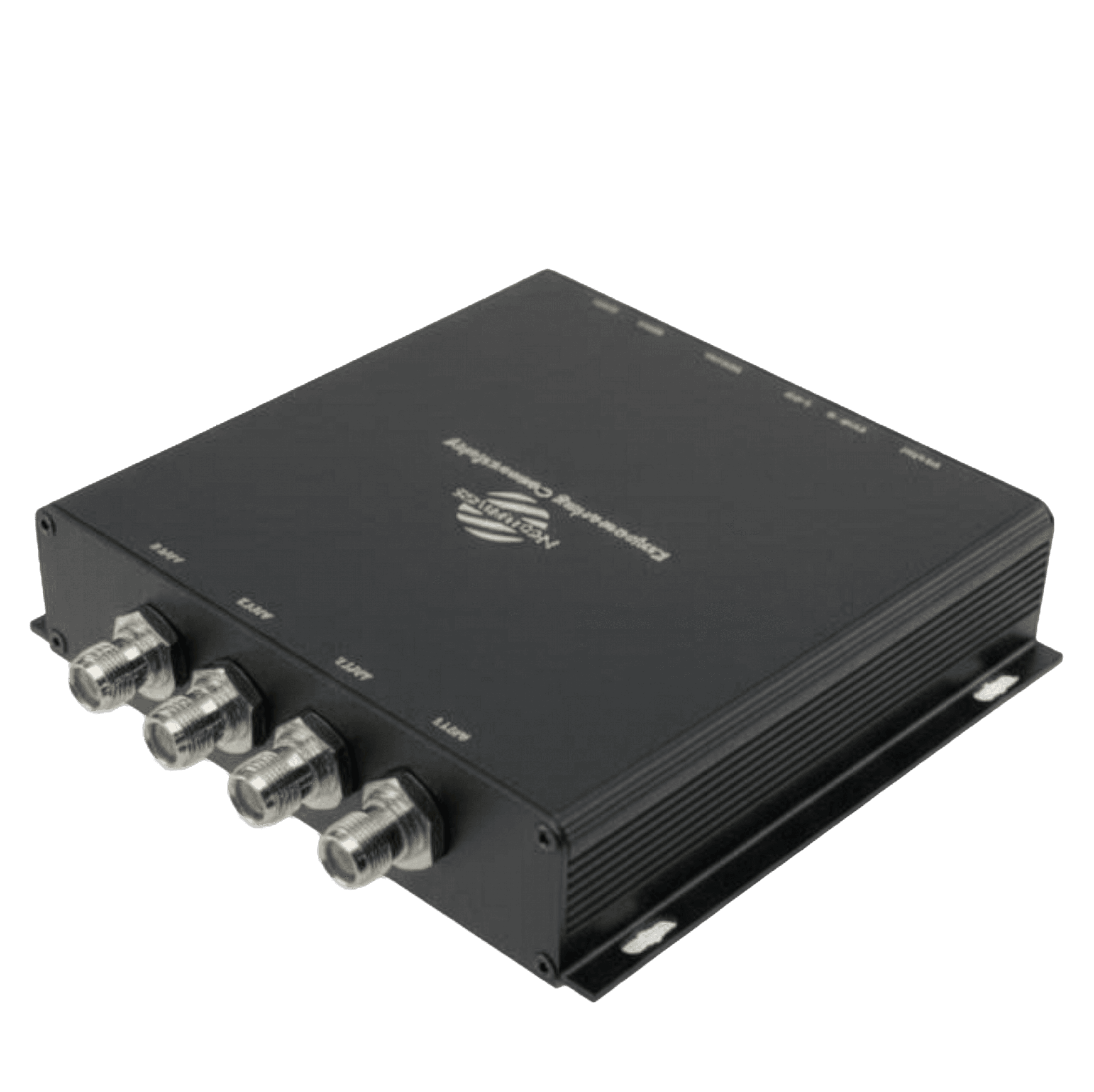
Ja jūsu inženieru komanda izvērtē ThingMagic (JADAK) M7e-Deka, Nextwaves NR155 piedāvā ievērojami labāku mākoņdatošanas arhitektūru. Mantotās sistēmas pēc būtības rada augstus kapitāla izdevumus, izmantojot pārdevēja bloķēšanu un patentētās programmatūras ekosistēmas.
Nextwaves pilnībā novērš šo barjeru, nodrošinot standarta MQTT REST API tieši ierīcē. Jūsu programmatūras izstrādātāji var integrēt tagu nolasīšanu tieši jūsu pielāgotajā ERP vai WMS fona sistēmā dažu dienu, nevis mēnešu laikā, pilnībā apiet atkārtotas starpprogrammatūras licencēšanas maksas.
Bieži uzdotie jautājumi
Kas ir M7e-Deka?
The ThingMagic (JADAK) M7e-Deka is an embedded UHF RFID transceiver board engineered around the Impinj E310 IC. Capable of EPC Gen2v2, ISO 18000-63 decoding over the Global (860-960 MHz) block, it is used primarily in point-of-sale peripherals.
Cik šī iekārta maksā sākotnēji?
Raw modules cost approximately $120 per unit. Like all SMD components, the true cost scales drastically when budgeting for carrier boards, antenna arrays, power management logic, and the central microprocessor.
Kāpēc man vajadzētu izvēlēties Nextwaves?
Embedding raw RF modules requires extensive C++ firmware expertise. Nextwaves supplies ready-to-mount smart nodes that already possess the physical casing, power management, and HTTP bridging logic, saving months of engineering.
Vai aparatūra ir pietiekami izturīga noliktavām?
Because it is a bare circuit board measuring 46 x 26 x 4 mm and weighing just 3 g, the module carries a Bare PCB (None) rating. Operators must design a rigid enclosure to shield it from factory or retail dust.
Vai tā atbalsta vairākus tīkla veidus?
Data pipes strictly through UART Serial / USB boundary logic pins. Bridging this data into enterprise networks requires the parent device to provide secondary Ethernet or Wi-Fi processors.
Vai mana komanda var to instalēt iekšēji?
Final integration necessitates attaching the module onto a larger custom PCB. Software commands must be structured using the ThingMagic Mercury SDK executed securely by the master generic microprocessor.
Kā darbojas attālā pārvaldība?
Optimized for mid-range scanning, the core IC scales processing to up to ~300 tags/sec. It serves primarily as a friction-less gateway rather than a massive area scanner.
Vai man ir nepieciešama patentēta programmatūra, lai to palaistu?
Transferring scanned strings to cloud infrastructure relies fully on your custom host firmware. To bypass legacy Bluetooth or Serial limitations, developers must code logic that pipes local serial streams into active REST connections.
Kāda garantija ir lasītājam?
The hardware holds a standard 12-month defect warranty, but component lifecycle spans are deeply tied to the thermal efficiency and static shielding of the OEM's proprietary carrier board design.
Vai antenas tiek pārdotas atsevišķi?
A single MMCX connection handles external antenna routing across the Global (860-960 MHz) bands. Peak transmit gain extends up to +27 dBm, which demands dedicated thermal throttling logic.