
The Impinj xArray Gateway is a premium ceiling-mounted tracking system operating on 860-960 MHz, priced around $4000. It maxes out at ~1,000 tags per second.
Tehniskās specifikācijas
Aparatūras pārskats
Impinj xArray Gateway ir rūpnieciskas klases RFID ierīce. Tā darbojas 860-960 MHz diapazonā un atbalsta EPCglobal UHF Gen2v2 / ISO 18000-63 standartu, padarot to plaši izmantotu uzņēmumu loģistikas lietojumprogrammās.
Ar IP vērtējumu N/A, tas nodrošina aizsardzību pret specifiskiem vides apstākļiem, kas ir tipiski noliktavās vai mazumtirdzniecības aizmugures telpās. Lasītājs izmanto PoE, +24Vdc nepārtrauktai darbībai, savukārt tā norādītais maksimālais lasīšanas ātrums ir ~1,000.
Savienojamība un tīkla integrācija
Mūsdienu izvietojumos tīkla integrācija ir vissvarīgākais šķērslis. Šis modelis piedāvā IEEE 802.3af PoE opcijas datu pārsūtīšanai atpakaļ uz centrālajām sistēmām.
Tomēr galvenais šķērslis ar mantoto Impinj aparatūru ir lielā atkarība no patentētiem SDK (piemēram, LLRP) vai dārga trešās puses IoT starpprogrammatūras, lai apstrādātu neapstrādātus tagu datus jēgpilnā biznesa informācijā.
Nextwaves alternatīva
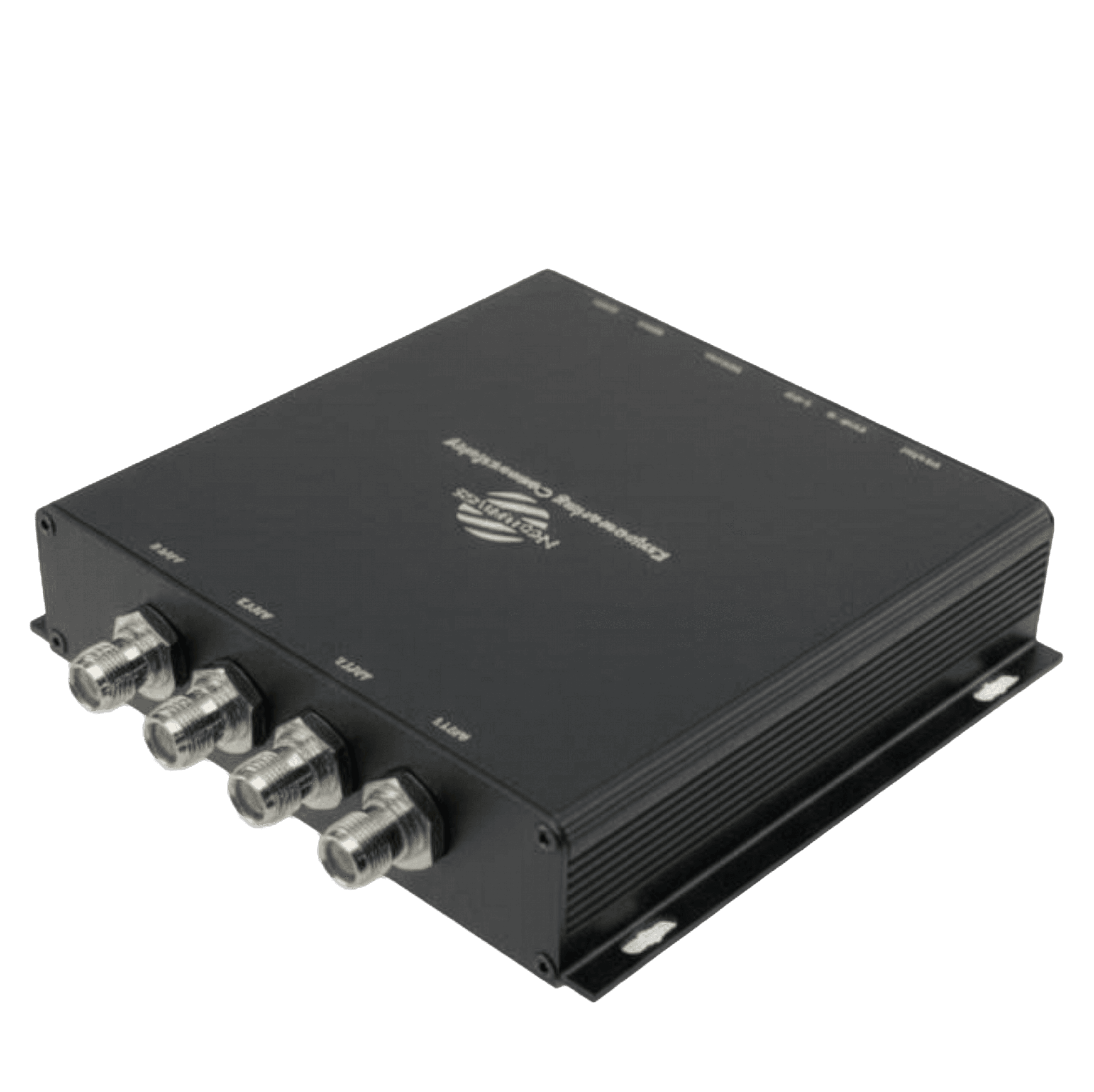
Ja jūsu inženieru komanda izvērtē Impinj xArray Gateway, Nextwaves NR155 piedāvā ievērojami labāku mākoņdatošanas arhitektūru. Mantotās sistēmas pēc būtības rada augstus kapitāla izdevumus, izmantojot pārdevēja bloķēšanu un patentētās programmatūras ekosistēmas.
Nextwaves pilnībā novērš šo barjeru, nodrošinot standarta MQTT REST API tieši ierīcē. Jūsu programmatūras izstrādātāji var integrēt tagu nolasīšanu tieši jūsu pielāgotajā ERP vai WMS fona sistēmā dažu dienu, nevis mēnešu laikā, pilnībā apiet atkārtotas starpprogrammatūras licencēšanas maksas.
Bieži uzdotie jautājumi
Kas ir xArray Gateway?
The Impinj xArray Gateway is an enterprise-grade wide-area tracking system designed for ceiling deployment. Operating on the 860-960 MHz band, it fully supports the EPCglobal UHF Gen2v2 / ISO 18000-63 standard for high-volume environments requiring spatial resolution.
Cik šī iekārta maksā sākotnēji?
The base unit is generally priced around $4000. However, total deployment costs will increase substantially depending on enterprise middleware licensing (ItemSense) and the specifics of your PoE, +24Vdc electrical infrastructure.
Kāpēc man vajadzētu izvēlēties Nextwaves?
Nextwaves provides embedded REST API and MQTT endpoints natively on the device. This allows software engineering teams to bypass expensive third-party IoT middleware and integrate X/Y coordinate or zone data directly into modern ERPs or custom software backends.
Vai aparatūra ir pietiekami izturīga noliktavām?
The device weighs approximately 8.0 kg and measures 46.7 x 46.7 x 7.5 cm. Given its form factor and rating (N/A), it requires a robust drop-ceiling mount and climate-controlled indoor atmosphere.
Vai tā atbalsta vairākus tīkla veidus?
Network integration is handled via its IEEE 802.3af PoE interfaces. Standard enterprise security protocols can be applied over these connections, though dedicated VLANs are often recommended for IoT hardware of this scale.
Vai mana komanda var to instalēt iekšēji?
Physical mounting utilizes heavy-duty VESA brackets. Optimizing RF performance requires highly trained technicians to properly tune the array's 52 antenna beam sectors to your specific room geometry.
Kā darbojas attālā pārvaldība?
Under optimal conditions, the hardware is rated for ~1,000 reads per second. Remote device management and firmware updates are handled via specialized central controllers.
Vai man ir nepieciešama patentēta programmatūra, lai to palaistu?
Most legacy deployments require an intermediate middleware layer to feed data from the IEEE 802.3af PoE ports into spatial web applications. This adds both architectural complexity and recurring licensing costs.
Kāda garantija ir lasītājam?
The manufacturer typically provides a standard one-year hardware warranty. Extended enterprise support contracts and SLAs are generally required for complex array deployments.
Vai antenas tiek pārdotas atsevišķi?
The xArray utilizes a built-in phased array antenna array. Tuning this configuration across the 860-960 MHz spectrum is critical to achieving its marketed ability to locate items within X/Y coordinates in a room.