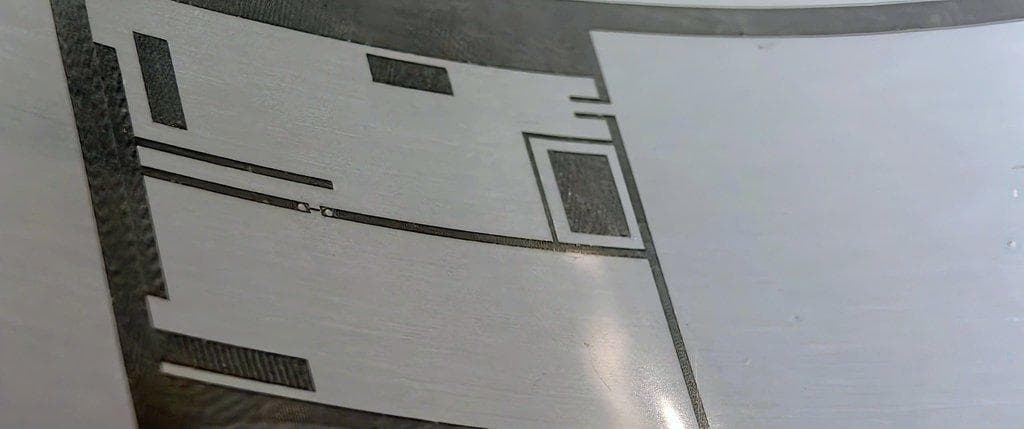
Chapter 1: Introduction, The Quiet Revolution in the World of Metal
The global economy is going through a deep change. This quiet revolution runs on data and connectivity. At the heart of this shift is the Internet of Things (IoT). A vast network of connected devices constantly collects, shares, and acts on info from the physical world. This digital nervous system is reshaping industries. From manufacturing and logistics to healthcare and retail, it brings efficiency, visibility, and automation at a level never seen before. A key part of this revolution is the ability to identify and track unique physical assets in real time. For over a decade, Radio Frequency Identification (RFID) has been the core technology for this effort.
RFID offers a simple but powerful promise. It identifies objects wirelessly, without needing a direct line of sight, and does so for many items at once. This ability makes it an essential tool for everything from tracking inventory in a warehouse to managing tools on a factory floor. But the promise of universal RFID has long hit a basic and widespread obstacle: metal.
Metal is the backbone of modern industry and infrastructure. It is the natural enemy of standard RFID technology. The same traits that make metal strong and durable also make it a major barrier to the radio waves that RFID relies on. For years, this limit created a big gap in RFID coverage. It pushed many vital assets out of the reach of automated tracking and management, from shipping containers and industrial machines to IT servers and surgical tools. Tagging and reading assets reliably in metal environments became a major bottleneck. It hindered the full potential of IoT.
To meet the urgent needs of the industry, specialized and high-tech solutions were born. Anti-metal UHF RFID tags are not just small improvements on old tech. They are a fundamental redesign of the RFID tag itself. Engineers built them from scratch to work well in the harshest RF environments. These tags don't just survive on metal. They work with it. They turn an old obstacle into a functional part of their own antenna system. The growth of anti-metal RFID technology is a big step forward. It opens up a vast frontier for automated data collection that was once impossible to touch.
This guide provides a full and detailed look into the world of anti-metal UHF RFID tags. It is for a wide audience, from engineers and system integrators looking to deploy solid RFID solutions, to business leaders and operations managers who want to grasp the game-changing potential of this tech. We will break down the basic physics of how RF waves and metal surfaces interact. We will explore in detail why traditional tags fail. Then, we look at the creative engineering and material science that make anti-metal tags successful, from specialized antenna designs to advanced ferrite and ceramic substrates.
This guide also presents a full list of the types of anti-metal tags available today. They range from tough industrial hard tags to printable flexible labels. We clarify the complex specs and performance metrics that define these tags. We provide a clear framework for evaluating and choosing tags. The document also explores many real-world applications. We show through specific examples how anti-metal UHF RFID tags create value across many industries. Finally, we look at the competitive market, introducing the key manufacturers and innovations shaping the future of this vital technology.
By the end of this journey, you will have a deep and clear understanding of anti-metal UHF RFID tags. You will see they are not just products, but a key enabling technology. This tech is quietly and deeply changing how we interact with the metallic world around us.
Chapter 2: The Physics of Failure: Why Standard RFID Fails on Metal
To fully appreciate the innovation of anti-metal RFID tags, you need to understand the basic physics that makes standard RFID tech useless near metal surfaces. The interaction between radio waves and conductive materials is a complex mix of reflection, absorption, and interference. For a standard passive RFID tag - a delicate, finely tuned RF tool - this interaction almost always kills performance. This chapter looks at the specific physical phenomena that cause failure. It provides the foundation for understanding the problems that anti-metal tags solve.
The Nature of Passive UHF RFID Communication
Passive UHF RFID systems run on the principle of backscatter coupling. The process starts with the RFID reader. It sends out continuous radio waves, usually in the 860-960 MHz range. These waves have two roles. They provide the energy to activate the tag, and they act as a carrier signal for the tag's response. Passive RFID tags have no internal power source. They rely entirely on the energy collected from the reader's signal.
The tag antenna resonates at a specific frequency within the UHF band. When the reader signal hits the antenna, it creates an electric current. The tag's chip - an integrated circuit (IC) - rectifies this current. It provides the small amount of power needed to wake up and run its functions. Once powered, the chip accesses its internal memory. This memory holds a unique ID (Electronic Product Code, EPC) and possibly other data.
To send this info back to the reader, the tag does not create its own radio signal. Instead, it changes its antenna impedance in a systematic way. This change in impedance alters how the antenna reflects the continuous waves from the reader. By switching between matched impedance (absorbing energy efficiently) and mismatched impedance (reflecting energy efficiently), the tag creates a pattern of reflected waves. This modulated reflection is called backscatter. The reader's sensitive receiver detects these small changes in the reflected signal, decodes the pattern, and reconstructs the tag data. The whole process is a balance of power transfer and signal reflection. It depends heavily on the precise tuning of the tag antenna.
The Metal Barrier: Multiple Types of Interference
When you place a standard RFID tag on or near a metal surface, this delicate communication process is disrupted by several physical phenomena at once.
1. Signal Reflection and Cancellation
Metal conducts electricity well. When electromagnetic waves, like RF signals from an RFID reader, hit a conductive surface, they cause eddy currents in the metal. These currents create their own electromagnetic field that opposes the original one. As a result, most RF energy reflects off the metal surface. This reflection isn't the main problem. The real issue is the phase of the reflected wave.
The reflected wave is 180 degrees out of phase with the incoming wave. When the incoming wave from the reader and the out-of-phase reflected wave meet around the tag, they cancel each other out. If you place a tag right against a metal surface, the waves can cancel out completely at the tag antenna. This signal cancellation leaves the tag without the RF energy it needs to turn on. The tag stays silent, completely invisible to the reader.
2. Antenna Detuning and the Ground Plane Effect
The biggest and most immediate impact from a metal surface is antenna detuning. An RFID antenna is a resonant structure. Engineers design it to work best at a specific frequency. This resonance depends on its physical shape and the dielectric properties of its surroundings.
When you bring a tag close to metal, the metal acts as a large ground plane. It creates a strong capacitive coupling between the antenna and the metal. This extra capacitance drastically changes the antenna's electrical characteristics. It shifts the resonant frequency. A tag designed for 915 MHz might shift much lower or higher when placed on metal. Since the RFID reader transmits at 915 MHz, the detuned tag no longer receives power efficiently at that frequency. Energy transfer drops sharply, and the tag fails to wake up. It is like trying to listen to a station when the radio is tuned to the wrong frequency.
3. Signal Absorption and Redirection
While most RF energy reflects, metal absorbs some of it and turns it into heat due to the material's resistance. This absorption further reduces the energy reaching the tag. More importantly, the metal surface acts as a waveguide. It redirects the flow of RF energy. Instead of the energy traveling through space to the tag, it runs along the metal surface. This creates "RF shadows" or dead zones where there is almost no RF energy, even if the tag is in the reader's line of sight. The shape and orientation of the metal create a complex, unpredictable RF environment. This makes tag placement and reading reliability very difficult.
4. The Faraday Cage Effect
In some cases, especially when assets are inside a closed metal box or complex metal shapes, the Faraday cage effect occurs. A Faraday cage is a conductive shell that blocks external electromagnetic fields. RF signals from the reader cannot penetrate the metal shell to reach the tags inside. This is a common problem when tracking assets in metal containers or on metal shelves. While not a direct interaction with a single tag on a surface, it is closely related to the challenges of metal environments that complicate RFID deployment.
In short, metal creates a "perfect storm" of RF interference for standard RFID tags. The combination of signal cancellation, antenna detuning, energy absorption, and signal redirection leads to a total communication failure. The tag lacks power, fails to resonate, and hides from the reader's signal. This multi-sided challenge requires a complete redesign of the RFID tag. This led to the development of the sophisticated anti-metal solutions we explore in the next chapter.
Chapter 3: Built to Last: Designing and Constructing Anti-Metal Tags
We have seen the major challenges that metal surfaces pose to standard RFID technology. Now we look at the clever engineering solutions that define anti-metal tags. Overcoming multi-sided interference from metal requires rethinking tag design from the ground up. We move beyond a simple antenna on a substrate to use complex multi-layer structures that actively manage and control radio frequency fields. This chapter explores the core design principles, material science, and antenna techniques that help UHF RFID anti-metal tags work reliably in the harshest RF environments.
Core Principle: Controlled Isolation
The fundamental concept of every anti-metal RFID tag design is controlled isolation. The main goal is to create a buffer zone that physically and electromagnetically separates the sensitive tag antenna from the destructive effects of the metal surface below. It is not just about creating distance. It is about designing a micro-environment around the antenna so it resonates and communicates with the reader signal as if the metal were not there. Choosing materials wisely along with sophisticated structural design helps achieve this.
The Key Role of the Spacer Layer
The most direct way to create isolation is to use a spacer or standoff layer. This layer uses low-loss dielectric materials to create physical distance between the antenna and the metal. The thickness of the spacer is a critical design parameter. It must be enough to separate the antenna from the near-field effects of the metal. This prevents severe frequency detuning caused by capacitive coupling. As the distance between the antenna and the metal increases, the metal's influence fades. This keeps the antenna's resonant frequency within the desired UHF range.
But simply increasing distance creates a trade-off. Thicker tags might be more durable and perform better, but they are sometimes too bulky for applications like tagging thin IT assets or embedding into parts. Designers find the optimal thickness that provides the necessary RF isolation while fitting the physical limits of the application. Common materials for the spacer layer include specialized polymers, foams, and plastics. Designers choose them for their low dielectric constant and low loss tangent, which helps reduce energy absorption within the tag.
Advanced Materials: The Ferrite Advantage
While simple dielectric spacers are effective, many high-performance anti-metal tags use a more advanced material: ferrite. Ferrite is a ceramic-like material containing iron oxide with unique magnetic properties. Specifically, it has high magnetic permeability. This means it concentrates and guides magnetic fields effectively.
In an anti-metal tag, a thin, flexible ferrite layer sits between the antenna and the metal surface. This ferrite layer acts as a magnetic shield. When the RF signal from the reader-which contains both electric and magnetic field components-reaches the tag, the ferrite layer intercepts the magnetic field. Instead of letting the magnetic field cause destructive eddy currents on the metal below, the ferrite channels the magnetic flux. It directs the flux toward the tag's antenna. This has two major effects:
- Shielding: Prevents metal from absorbing and reflecting the RF magnetic field. This is vital for powering the tag.
- Focusing magnetic flux: By concentrating the magnetic flux, the ferrite layer increases the energy the tag captures. This results in better read sensitivity and longer range. Sometimes, a well-designed anti-metal tag reaches a longer read range on metal surfaces than a standard tag does in free air.
Using ferrite turns the tag from a passive victim of metal interference into an active manager of the RF field. However, ferrite materials are usually more expensive and more brittle than simple dielectric spacers. This is a key factor in tag design and cost.
Antenna design for metal environments
The heart of every RFID tag is the antenna. In anti-metal tags, antenna design is especially important and complex. The goal isn't just to create a resonant structure. It is to create a structure immune to metal, or even better, one that uses metal to its advantage.
Microstrip patch antennas
A common and highly effective design is the microstrip patch antenna. A traditional patch antenna consists of a flat metal plate, or "patch," suspended over a larger metal surface-the ground plane-with a dielectric layer in between. This structure is perfect for mounting on metal because engineers design it to work with a ground plane.
In anti-metal tags using this design, the metal surface of the asset becomes the ground plane for the patch antenna. The tag consists of the radiating patch and the dielectric layer. When you mount the tag on a metal asset, the complete microstrip antenna structure forms. The RF field concentrates in the space between the patch and the ground. This means radiation points away from the metal surface, minimizing interference and energy loss. Engineers tune the antenna by precisely controlling the patch size, thickness, and the dielectric constant of the substrate. This clever approach turns the problem-the metal surface-into part of the solution.
Folded dipole and slot antennas
Other antenna designs also work on metal. For example, a folded dipole antenna designed with specific geometry uses reflected waves from the metal to create constructive interference with incoming waves. This boosts the signal at the antenna. It requires precise control over the insulation layer.
Slot antennas are another way. This design cuts a slot or hole into a conductive surface. The slot itself acts as the radiator. For anti-metal tags, you can use a tag with a ground plane containing a precisely shaped slot, with the RFID chip placed across it. This design is compact and highly efficient.
The complete structure: A multi-layer system
Modern, high-performance UHF anti-metal RFID tags are not single components but sophisticated multi-layer systems. Assembling the tag requires a precise manufacturing process. A typical structure might include:
- Top layer / Encapsulation: An outer protective layer made of durable plastics like ABS (Acrylonitrile Butadiene Styrene), PPS (Polyphenylene Sulfide), or PEEK (Polyether Ether Ketone), or flexible materials like TPU (Thermoplastic Polyurethane). This layer protects internal parts from physical impact, moisture, chemicals, and extreme temperatures. It can also display printed barcodes, logos, or human-readable info.
- Antenna layer: A carefully engineered antenna, often etched from copper on a flexible substrate or a rigid PCB.
- RFID Integrated Circuit (IC): The "brain" of the tag attached to the antenna at precise connection points.
- Insulating substrate / Spacer: The layer providing the necessary distance and support for the antenna. This can be a simple foam spacer, a rigid FR-4 (fiberglass) board, or high-performance ceramic materials.
- Ferrite layer (Optional): In many high-end tags, a layer of magnetic absorbing material sits under the antenna to shield and focus the magnetic field.
- Adhesive layer: High-strength industrial adhesive to attach the tag to the asset. Choosing the right adhesive is vital; it must match the surface and the operating environment (like high heat or chemical exposure).
The importance of encapsulation and durability
Since anti-metal tags are mostly used in industrial, commercial, and logistics environments, physical durability is just as important as RF performance. Encapsulation protects the delicate RFID inlay (chip and antenna) from many environmental hazards:
- Mechanical stress: Impacts, vibrations, and friction are common in industrial settings. Hard shells made of ABS or polycarbonate offer great impact resistance.
- Chemical exposure: Tags may encounter oil, solvents, cleaners, and other corrosive chemicals. Materials like PPS and PEEK offer superior chemical resistance.
- Extreme temperatures: Applications in manufacturing, sterilization, or outdoors can face extreme heat or cold. The encapsulation material, IC, and mounting method must withstand the target temperature range.
- Moisture and dust: High IP ratings like IP67, IP68, or IP69K are necessary for tags used outdoors or in high-moisture areas with frequent wash-downs. Hermetically sealing the tag housing achieves this.
Ultimately, designing a UHF RFID anti-metal tag is a classic lesson in applied physics and material science. It is a holistic process where antenna design, substrate materials, spacing, and encapsulation all depend on each other. Engineers balance these to reach one goal: stable, reliable identification in the challenging world of metal.
Chapter 4: Form Factor Classification: Choosing the Right Tag for the Job
UHF RFID anti-metal tags are not a single type of product. They form a diverse family of solutions. Each type has its own shape, material composition, and performance traits, suited for different environments and use cases. Choosing the tag type is the most important decision when designing an RFID system. It directly affects durability, read performance, and the total cost of ownership. This chapter breaks down the most common types of anti-metal tags. We explore their build, pros, cons, and ideal application scenarios.
1. Rigid Hard Tags: The Industrial Workhorse
Hard tags are the most recognizable type of anti-metal tags, acting as the workhorses for industrial RFID. These tags feature a tough, solid casing to protect the internal RFID inlay from heavy use.
Construction:
Hard tags are built to survive. The internal RFID inlay (chip and antenna, often on a PCB with a ferrite layer) sits inside a thick injection-molded shell. The target environment determines the shell material:
- ABS (Acrylonitrile Butadiene Styrene): A popular and cost-effective choice. It offers a good balance of impact resistance and durability for general indoor and outdoor use. Widely used to track assets like IT equipment, returnable transport items (RTIs), and tools.
- PPS (Polyphenylene Sulfide): A high-performance thermoplastic known for resisting high temperatures (often exceeding 200°C), chemicals, and mechanical stress. PPS tags are perfect for harsh manufacturing processes like automotive paint shops, autoclaves, and industrial laundry.
- PEEK (Polyether Ether Ketone): A premium polymer that outperforms PPS. It handles extreme temperatures, is chemically inert (resists a wide pH range), and has high mechanical strength. PEEK tags are used for the most demanding applications like medical tool sterilization, downhole oil and gas equipment, and aerospace parts tracking.
- Epoxy: Some tags are filled with industrial epoxy. This creates a hermetic seal for the inlay and provides excellent protection against moisture, vibration, and shock.
Mounting:
The rigid build allows for many secure mounting options, including high-strength adhesives, screws, rivets, or cable ties. Many hard tags have built-in holes or slots for easy installation.
Advantages:
- Maximum Durability: They provide the highest level of protection against physical impact, vibration, and abrasion.
- Environmental Resistance: Engineers design them to withstand extreme heat, harsh chemicals, and long-term outdoor sun exposure (UV resistance).
- High Ingress Protection: Often rated with high IP standards (IP68/IP69K), making them completely waterproof and dustproof.
- Stable Performance: The rigid structure keeps a fixed distance between the antenna and the metal surface. This ensures RF performance stays consistent and predictable.
Limitations:
- Bulky Size: The rugged build makes them larger and thicker than other tag types. This makes them hard to use in tight spaces.
- Inflexible: They cannot be mounted on curved or uneven surfaces.
- Cost: Usually more expensive than other anti-metal tags due to materials and manufacturing methods.
Ideal Applications: Tracking large industrial assets, shipping containers, heavy machinery, outdoor equipment, reusable pallets and containers, and tools in harsh manufacturing environments.
2. Flexible Tags and Labels: Versatile and Snug
Flexible anti-metal tags and labels are a major innovation. They solve asset tagging where hard tags won't work. These tags are thin, pliable, and hug the shape of the object they are attached to.
Construction:
Flexible anti-metal tags work thanks to a multi-layer stack. A typical structure includes:
- A printable top layer, usually PET (Polyethylene Terephthalate), for printing barcodes, logos, or text.
- The RFID inlay (chip and antenna).
- A thin flexible spacer, often made of foam or special polymers.
- A flexible ferrite layer to block magnetic interference.
- A strong industrial adhesive layer for mounting.
Some flexible tags for heavier applications are encased in flexible polymers like TPU (Thermoplastic Polyurethane). This increases durability and environmental resistance while staying flexible.
Mounting:
The main mounting method is the built-in industrial adhesive. Some TPU-wrapped tags have holes for cable ties, making them great for pipes and flexible hoses.
Benefits:
- Versatile: Can be mounted on flat, curved, or uneven metal surfaces.
- Thin and Light: The slim design is ideal for places where bulky tags get in the way, like IT equipment or narrow gaps.
- Printable: The label format allows for printing variable information on the fly. It integrates easily with existing barcode systems.
- Cost-Effective: Cheaper than hard tags, making them suitable for high-volume use.
Limitations:
- Lower Durability: Tougher than standard paper labels but more prone to damage than hard tags from impact, abrasion, or harsh chemicals.
- Temperature Limits: Adhesives and flexible materials have lower maximum heat resistance than the engineering plastics used in hard tags.
Ideal Applications: Tracking IT assets (servers, laptops), office equipment, hospital assets (medical devices on carts), automotive parts, and metal canisters or cylinders.
3. PCB / FR-4 Tags: The Embedded Solution
Printed Circuit Board (PCB) tags use familiar and affordable electronics manufacturing processes. In this design, the antenna is etched directly onto FR-4 (a common fiberglass sheet) or similar PCB materials.
Construction:
These tags are like specialized mini circuit boards. The antenna is the copper trace on the board, and the RFID chip is surface-mounted. The FR-4 material acts as the insulator. Because the base is rigid, they offer extremely stable RF performance. They can be used alone with a thin plastic or epoxy coating, or embedded directly into products during manufacturing.
Mounting:
Mounted using adhesive or screws if holes are present. A major advantage is seamless integration-permanently embedding them into slots in tools, parts, or equipment.
Benefits:
- Stable Performance: The rigid PCB ensures consistent RF characteristics.
- High Heat Resistance: FR-4 handles heat well, making it suitable for many industrial processes.
- Compact and Thin: Can be made very small and slim.
- Embeddable: Integrates directly into products for lifetime tracking.
- Cost-Effective: Takes advantage of large-scale PCB manufacturing.
Limitations:
- Fragile: While rigid, FR-4 is brittle and can crack under heavy impact if it doesn't have an outer shell.
Ideal applications: Tool tracking (embedded in handles), IT assets, electronics manufacturing (tracking sub-components), and anywhere you need a small, tough, embeddable tag.
4. Ceramic tags: The high-temperature champions
Ceramic tags offer peak performance in extreme temperatures and harsh environments. They use a ceramic substrate as the main core. This takes advantage of the unique mix of electrical and physical properties of ceramic.
Construction:
The antenna is usually fired or coated onto a solid ceramic substrate. The ceramic itself acts as a highly effective insulator. A high dielectric constant allows for compact antenna designs with strong performance. The entire assembly, including the chip, is often sintered into a seamless, airtight block.
Mounting:
Ceramic tags are usually attached using high-heat epoxy or placed into pre-made slots on an object.
Pros:
- Extreme heat resistance: Ceramic tags withstand temperatures far beyond plastic, often up to 250°C or more. They are ideal for autoclaves, industrial ovens, and paint drying processes.
- Good RF performance: High-quality dielectric materials provide efficient and stable antenna performance.
- Small size: Ceramic properties allow for significant shrinking without losing performance.
- Chemical resistance: Ceramic resists most chemicals, oils, and solvents.
Cons:
- High price: These are the most expensive tags due to specialized materials and manufacturing.
- Fragile: Like ceramic in general, they can break if they take a direct, heavy impact.
Ideal applications: Surgical tool tracking (withstanding repeated sterilization cycles), tracking items through industrial baking and painting, and any application needing high heat and chemical resistance in a compact size.
This detailed breakdown shows that choosing an anti-metal tag requires a clear understanding of your specific needs. There is no single "best" tag, only the "right" tag for the job. Picking the right one is the first step to a successful RFID rollout.
Chapter 5: Decoding Performance: Key Parameters and Metrics
Choosing a UHF RFID anti-metal tag is about more than just the shape. You need to dive deep into the technical specs that decide performance, durability, and fit. These specs, often packed into a datasheet, are the language of RFID performance. This chapter serves as a comprehensive dictionary, explaining key metrics and providing context to help you make smart decisions when comparing anti-metal tags.
Core RF Performance Parameters
These metrics relate directly to the ability to communicate with a reader, showing the RF performance.
1. Frequency Range (MHz)
This spec defines the radio frequency range where the tag operates. UHF RFID technology is used globally from 860 to 960 MHz. However, specific frequencies are regulated by regional authorities, leading to different standards:
- North America (FCC): 902 - 928 MHz
- Europe (ETSI): 865 - 868 MHz
- China: 920 - 925 MHz and 840 - 845 MHz
- Japan: 916 - 921 MHz
Note: You must choose a tag that matches the frequency range of your region. A European tag will not be optimal and might be illegal in North America. Many modern tags are "global," with antennas that work well across the full 860-960 MHz range for worldwide use. However, for maximum performance in a specific region, a tag tuned for that range has a slight edge.
2. Read Sensitivity (dBm)
Read sensitivity is the most important metric for determining read distance. It measures the minimum RF power the tag chip needs from the reader to turn on and reflect data back. The value is measured in decibels relative to 1 milliwatt (dBm) and is always negative. A more negative number means higher sensitivity.
For example, a -24 dBm tag is more sensitive than a -20 dBm tag. The -24 dBm tag can be read with less power, meaning from further away or in difficult RF environments where signals are weak.
Note: The latest generation of RFID chips, like the Impinj M800, reaches -25.5 dBm. This is a big step forward. When comparing, a 3 dBm difference theoretically increases read distance by ~40%, all other things being equal. For applications needing long-range or reliable reads in cluttered environments, choosing the most sensitive tag is key.
3. Write Sensitivity (dBm)
Similar to read sensitivity, write sensitivity measures the minimum RF power a tag needs to write new data to its memory. Writing data takes more power than reading. Therefore, write sensitivity is always worse (a less negative number) than read sensitivity. The write distance is always shorter than the read distance.
Note: If your application only needs to read a pre-programmed tag ID, write sensitivity isn't very important. But if you need to encode tags on-site, update user memory with sensor data, or change the tag's EPC, then write sensitivity becomes a vital factor. A tag with poor write sensitivity might require the reader to be very close to encode successfully.
4. Integrated Circuit (IC) - The Tag's Engine
The IC, or chip, is the brain of the RFID tag. It contains the logic to talk to the reader and the memory to store data. The choice of IC heavily affects performance and features. Main IC manufacturers for the UHF market include Impinj, NXP, and Alien Technology.
Key IC Specs:
- EPC Memory: This is the memory bank that stores the tag's main identifier, the Electronic Product Code. The size of this bank determines how long of an EPC you can store. Common sizes are 96 bits, 128 bits, or up to 496 bits. For most uses, 96 or 128 bits is plenty.
- User Memory: This is an optional, separate memory bank used to store application-specific data, like maintenance history, production dates, or sensor data. User memory size ranges from 0 bits to several kilobits (e.g., NXP's UCODE DNA with 3k bits).
- TID Memory: The Tag Identifier memory contains a unique serial number programmed by the factory. This number cannot be changed and is used to authenticate the tag.
IC Comparison Table:
| Manufacturer: Impinj | IC Model: M730/M750 | Read Sensitivity (dBm): -24 | User Memory (bit): 0/32 | Key Features: High sensitivity, fast inventory. |
|---|---|---|---|---|
| Manufacturer: Impinj | IC Model: M830/M850 | Read Sensitivity (dBm): -25.5 | User Memory (bit): 0/32 | Key Features: Best sensitivity, built for harsh environments. |
| Manufacturer: NXP | IC Model: UCODE 8/9 | Read Sensitivity (dBm): -23/-24 | User Memory (bit): 0 | Key Features: Excellent performance, self-adjusting features. |
| Manufacturer: NXP | IC Model: UCODE DNA | Read Sensitivity (dBm): -19 | User Memory (bit): 3072 | Key Features: Large user memory, secure encrypted authentication. |
| Manufacturer: Alien | IC Model: Higgs-9 | Read Sensitivity (dBm): -20 | User Memory (bit): 688 | Key Features: Good performance, large user memory. |
| Manufacturer: Quanray | IC Model: Qstar-7U | Read Sensitivity (dBm): -23 | User Memory (bit): 2048 | Key Features: Large user memory, strong industrial performance. |
Physical and Environmental Specifications
These specs define the physical traits of the tag and how well it handles the environment where it is used.
1. IP Rating (Ingress Protection)
The IP rating is a two-digit code that shows how well a tag's casing protects against solids (like dust) and liquids (like water).
- First digit (0-6) shows protection against solids. A rating of 6 means the casing is completely dust-tight.
- Second digit (0-9) shows protection against liquids. A rating of 7 means the tag can stay under 1 meter of water for 30 minutes. A rating of 8 means it can handle continuous immersion based on the manufacturer's rules. A rating of 9K means it can withstand high-pressure, high-temperature water jets.
Note: For outdoor use or industrial areas with liquids or wash-downs, you need an IP67 or IP68 rating. IP69K is required for strict hygiene settings, like the food and beverage industry.
2. Operating Temperature Range (°C/°F)
This spec shows the temperature range where the tag works correctly. It depends on the heat resistance of the IC, antenna materials, casing, and adhesives.
Note: This is vital for extreme temperature uses. For example, tags in industrial ovens or autoclaves need high maximum temperatures, so they often use ceramic or PPS. Tags for cold chain logistics must work in sub-zero temperatures.
3. Attachment Methods
This describes how to attach the tag to an asset. The method affects the tag's durability and RF performance.
- Adhesive: The most common way, especially for flexible labels and some hard tags. The glue type (like acrylic or epoxy) must match the surface and environment.
- Screws/Rivets: Provides a secure, permanent hold for hard tags with mounting holes. Usually used for large industrial assets.
- Cable Ties: Used to attach tags to pipes, hoses, or assets where glue or screws won't work.
- Embedding: Placing the tag inside a slot or cavity in the asset for maximum protection. This is often done during the asset's manufacturing process.
Note: Choose a mounting method that fits your system design. Wrong installation can cause tags to fall off or lose performance. Always follow the manufacturer's guide.
4. Material Composition
The materials used to make the tag determine its durability, chemical resistance, and heat tolerance. As mentioned before, common materials include ABS, PPS, PEEK, FR-4, and ceramic. Technical data sheets list these so users can check if they fit their environment.
By looking closely at these specs, system designers can move beyond generic labels and pick the right UHF RFID anti-metal tag built for their specific needs. This ensures a reliable and scalable RFID solution.
Chapter 6: Real-World Tech: Exploring Practical Applications
The theoretical benefits and specs of UHF RFID anti-metal tags come to life in real-world use. Being able to reliably track metal assets brings great efficiency to many industries. This chapter explores the most important use cases. We look at how the technology solves specific business problems, increases safety, and creates value.
1. Industrial and Manufacturing Asset Management
Factory floors and industrial sites are full of metal. From production line machines to maintenance tools and parts bins, metal is everywhere. The industrial sector benefits greatly from anti-metal RFID technology.
Use Case: Tool and Equipment Tracking
In large-scale manufacturing and maintenance, like aerospace, automotive, or heavy equipment, managing tools is a big challenge. Valuable tools are easily misplaced, kept too long, or lost, causing expensive replacements and production delays. Ensuring tools are calibrated and maintained correctly is also vital for quality and safety.
- Implementation: Small, durable anti-metal tags (often PCB or ceramic, sometimes embedded) are permanently attached to tools like torque wrenches, gauges, and specialized jigs. RFID gates are installed at tool room exits, and handheld readers are used to check the factory floor.
- Benefits:
- Automated Check-out: The system automatically records who took which tool and when, removing manual logs and increasing accountability.
- Reduce Search Time: Workers quickly find the tools they need using handheld readers with a "Geiger counter" search mode, cutting down on wasted time.
- Better Asset Use: Managers see tool usage patterns and can identify underused assets to move them where they are needed.
- Auto Maintenance Alerts: The system tracks the calibration and service schedule for each tool. When a tool is checked out, the system alerts the user if it is due for service, preventing the use of faulty tools.
- FOD (Foreign Object Debris) Prevention: In aerospace, making sure no tools are left inside an aircraft after maintenance is a critical safety rule. A final RFID scan of the work area confirms all tools have been recovered.
Use Case: Work-in-Progress (WIP) Tracking
In complex assembly lines like car manufacturing, tracking chassis and large parts as they move through production is essential for efficiency and quality control. These parts are large, metallic, and often go through harsh processes like painting and welding.
- Implementation: Attach heat-resistant, durable anti-metal hard tags (like PPS or ceramic) to the car chassis or engine block at the start of the line. RFID readers are placed at key stages (like paint shop entry/exit, welding stations, and quality check points).
- Benefits:
- Real-time Tracking: Factory managers see the live production flow, find bottlenecks, and optimize the process.
- Process Automation: RFID reads at each station automatically trigger the next step in the Manufacturing Execution System (MES), ensuring the right work is done on each specific vehicle.
- Error Proofing (Poka-Yoke): The system checks that the right parts are attached to the right car model, reducing costly rework.
2. IT Asset Management (ITAM) in Data Centers
Data centers are the nerve centers of the digital economy, filled with high-value metal assets. Servers, blade frames, network switches, and storage arrays sit in metal casings and are mounted on metal racks. Managing the asset lifecycle from deployment and maintenance to disposal is a critical and labor-intensive task.
- Deployment: Stick thin, flexible anti-metal RFID labels onto the front or back of servers and IT equipment. These labels are usually printable and include readable IDs and barcodes. Place RFID reader gates at data center entrances and specific zones, or use handheld devices and carts for inventory checks.
- Benefits:
- Fast and Accurate Inventory: Manual inventory in a data center takes days or weeks and is prone to errors. With RFID, technicians walk down aisles with handheld readers to count hundreds of servers in minutes with nearly 100% accuracy.
- Enhanced Security: RFID gates automatically detect unauthorized asset removal from the data center, triggering instant alerts. This prevents theft and protects data.
- Change Management: The system automatically tracks asset movement. If a server moves to a different rack, the system updates its location, keeping the asset database always accurate.
- Optimized Lifecycle Management: With accurate real-time inventory, organizations can plan tech upgrades better, identify and remove "ghost servers" (servers that are on but not used), and optimize space and power.
3. Logistics and Supply Chain: Tracking Returnable Transport Items (RTIs)
Global supply chains rely on a massive fleet of returnable transport items like metal roll cages, pallets, kegs, and industrial containers. These assets represent a large capital investment; losing them or managing them poorly leads to high costs.
- Deployment: Attach durable, impact-resistant hard anti-metal tags using rivets or screws to the RTIs. RFID reader gates are installed at key choke points in the supply chain, such as distribution center dock doors, customer sites, and repair/cleaning stations.
- Benefits:
- Prevent Loss: Tracking RTI movement between locations helps companies identify where assets are lost or delayed and hold parties accountable.
- Improved Inventory Management: Companies get a clear view of their total RTI stock and distribution. This helps optimize inventory size, reduce new purchases, and ensure assets are available in the right place at the right time.
- Automated Receiving: The process of counting RTIs during delivery is completely automated. A truck full of empty roll cages is scanned in seconds as it passes through an RFID dock door, eliminating manual counting and paperwork.
- Maintenance and Cleaning Cycles: The system tracks how many cycles an RTI has gone through, automatically flagging the need for maintenance or cleaning to extend its working life.
4. Healthcare: Managing Surgical Instruments and Medical Equipment
In healthcare, patient safety and operational efficiency are top priorities. Managing surgical tools and mobile medical equipment comes with unique challenges, including strict sterilization and tracking many small metal objects.
- Deployment: For surgical tools, small cylindrical anti-metal tags made of ceramic or PEEK are often laser-welded into a groove on the instrument. These tags can withstand hundreds of autoclave sterilization cycles. For larger mobile equipment like infusion pumps and wheelchairs, flexible or small hard anti-metal tags are used.
- Benefits:
- Tray and Tool Level Tracking: RFID helps hospitals track entire surgical trays as well as individual tools. This ensures the right tools are in every tray, reducing the risk of surgery delays.
- Sterilization Verification: The system automatically records each tool's journey through sterilization, creating a full audit log and ensuring compliance with health regulations.
- Usage Tracking and Loss Prevention: Tracking each tool helps hospitals identify which ones are used most, optimize inventory, and find where losses occur.
- Improved Equipment Utilization: Tracking mobile medical equipment with RFID helps hospital staff find needed gear quickly, cutting down on wasted search time and improving patient care. It also prevents hoarding and ensures equipment is spread evenly across the facility.
These examples are just a small part of the countless uses for UHF anti-metal RFID tags. As technology advances-becoming smaller, more sensitive, and cheaper-it expands into new use cases, from tracking weapons in armories to managing components in the energy sector. The core value remains the same: providing an accurate, automated, and real-time view of metal assets-the foundation of the modern world.
Chapter 7: Market: Key Players and Industry Trends
The rapid adoption of UHF anti-metal RFID tags is part of a vibrant and fast-changing global RFID market. Any organization looking to invest in or deploy RFID solutions needs to understand the market size, growth drivers, leading companies, and top trends. This chapter dives deep into the market, revealing the business and tech forces shaping the future of RFID on metal.
Market Size and Growth Forecast
The overall RFID market is a multi-billion dollar industry seeing strong growth. According to research from Fortune Business Insights, the global RFID market will reach about $17.12 billion in 2025 and is expected to hit $46.2 billion by 2034, with an impressive compound annual growth rate (CAGR) [3]. Growth is driven by widespread RFID adoption in retail, healthcare, logistics, and manufacturing-all part of larger digital transformation and IoT initiatives.
In this massive market, the UHF RFID tag segment is the most dynamic. The UHF band offers the longest reading distance and the fastest speeds, making it the top choice for logistics, supply chains, and asset tracking. Market analysis shows the UHF RFID tag market reached $2.73 billion in 2024 and is expected to hit $4.89 billion by 2032. The demand for anti-metal tags is a vital sub-segment growing rapidly within the UHF market. While specific data is often proprietary, the huge volume of metal assets in major commercial industries shows this is a leading area for growth and innovation.
Key drivers pushing market growth include:
- The Rise of Industry 4.0: The trend toward smart factories and automated industrial processes creates a massive need for real-time data on machines, tools, and products in progress - most of which are made of metal.
- Supply Chain Transparency Requirements: Major retailers and government agencies increasingly force suppliers to use RFID to track goods. This drives adoption across supply chains filled with metal containers and pallets.
- IT and Data Center Growth: The explosion of cloud computing and data services is driving massive data center construction, creating a large market for tracking metal IT assets.
- Focus on Safety and Compliance: Aerospace, healthcare, and oil and gas industries use safety regulations to drive thorough tracking of metal tools, instruments, and equipment.
The Innovation Ecosystem: Key Players
The anti-metal UHF RFID tag market is a complex ecosystem with many distinct but closely linked types of companies. Successful RFID solutions usually combine products and services from all these categories.
1. IC Manufacturers: The Brains of the Operation
The foundation of the ecosystem is the companies that design and manufacture RFID integrated circuits (ICs). These are the silicon chips that provide memory and intelligence for every tag. IC performance, especially read sensitivity, sets the ultimate limit for the tag. Leaders in this field include:
- Impinj: A Seattle-based pioneer and market leader in the RAIN RFID industry. The Impinj Monza chip line, especially the new M700 and M800 series, is famous for high sensitivity and advanced features, making them a popular choice for high-performance anti-metal tags.
- NXP Semiconductors: A global semiconductor giant with a solid RFID portfolio. NXP's UCODE line competes directly with Impinj's Monza series. NXP also carved out a niche with UCODE DNA chips, which include encrypted security for applications needing authentication and anti-counterfeiting.
- Alien Technology: An early pioneer in UHF RFID. Alien's Higgs IC line is known for being reliable and is used in many types of tags, including on-metal ones.
- Quanray Electronics: A leading Chinese manufacturer specializing in specialized chips. The Qstar line offers high user memory options and dual-frequency support.
2. Tag and Inlay Manufacturers: The Performance Architects
These companies take the IC and pair it with a finely crafted antenna on a substrate to create an RFID inlay or a fully enclosed tag. For the anti-metal market, they hold deep expertise in RF engineering, material science, and manufacturing to create durable, reliable on-metal solutions. Key names include:
- Avery Dennison (including the former Smartrac): A global manufacturing giant dominating the RFID tag market. After buying Smartrac, Avery Dennison owns a massive inventory of RFID inlays and tags, with an increasing number of on-metal and hard tag solutions for industry and retail.
- HID Global (including the former Omni-ID): A leader in secure identity solutions. HID Global is strong in industrial RFID thanks to its purchase of Omni-ID - a pioneer specializing in on-metal and industrial hard tags. Their products are durable and effective in harsh environments.
- Confidex: A Finnish company famous for making ultra-durable RFID tags for tough industrial and automotive use. The Ironside and Casey lines are highly regarded in the on-metal field.
- Xerafy: Specializes in manufacturing some of the smallest and most durable RFID-on-metal tags in the world. Xerafy is strong in tracking tools, medical equipment, and cases needing extreme durability in a compact size.
- Nextwaves Industries: Specializes in high-performance connectivity. Nextwaves designs custom anti-metal tags for harsh industrial environments. They focus on solving interference in complex metal-heavy areas where tags often fail.
- Invengo: A global RFID provider with a diverse portfolio, including many hard tags and anti-metal labels for asset management and logistics.
3. System Integrators and Solution Providers
This group designs and deploys complete RFID solutions for end users. They combine hardware (readers, antennas, tags) from various manufacturers with their own software, middleware, and integration services to solve specific business problems. They play a vital role in bridging component technology with customer operational needs. They handle site surveys, system design, installation, and ongoing support.
Key Industry and Technology Trends
The anti-metal UHF RFID tag market is constantly changing. Several major trends are pushing performance limits and opening up new applications.
1. Miniaturization: There is a constant push to make tags smaller without losing performance. This is vital for tracking tools, medical devices, and embedding tags into small components. Advances in IC and antenna design help create tiny but powerful on-metal tags.
2. Increased Sensitivity and Read Range: The biggest goal for RFID is a longer, more stable read range. Intense competition between Impinj and NXP accelerates improvements in chip sensitivity. Each new chip generation brings better performance, helping anti-metal tags read further in difficult conditions.
3. Sensor Integration: The next step for RFID is pairing with sensors. New tags don't just identify assets; they track their condition. Anti-metal tags are now being built with sensors for temperature, humidity, or shock. For example, a sensor tag on industrial machinery can report its identity and send an overheat alert, helping with predictive maintenance.
4. Focus on Security: As RFID is used for high-value and critical applications, security is a growing concern. There are risks of tag cloning or tampering. ICs like NXP's UCODE DNA now include cryptographic authentication, allowing readers to verify if a tag is genuine. This is essential for pharmaceuticals, luxury goods, and critical infrastructure.
5. Sustainability and Environment: Awareness of electronic waste is rising. Research is leading to greener tag designs using recycled materials that are easier to remove and reuse. For reusable pallets and containers, the long life of a durable anti-metal tag is a win for sustainability, as it avoids the need for single-use labels.
In short, the UHF anti-metal RFID tag market is buzzing and growing fast, driven by clear industrial needs and constant innovation. The ecosystem of IC designers, tag manufacturers, and solution providers is working closely to push this technology further, making it tougher, more flexible, and more accessible than ever. Organizations looking for a competitive edge through better visibility and automation should explore the potential of RFID on metal right now.
Chapter 8: Implementation Best Practices: From Pilot to Production
Successfully deploying a UHF anti-metal RFID system is about more than just buying the right hardware. It is a complex task that requires careful planning, rigorous testing, and a deep understanding of both the technology and the operating environment. Many RFID projects fail not because of bad technology, but because of a weak rollout strategy. This chapter provides a guide to best practices, outlining a systematic approach to move from an initial idea to a reliable, large-scale production system that creates real value.
Phase 1: Discovery and Planning - Building the Foundation
Before you buy a single tag, you need a thorough discovery and planning phase. This foundation involves defining the problem, setting clear goals, and understanding your environment.
1. Define the Business Problem and Goals:
Start with the "why." What specific business problem are you solving? Goals must be clear, measurable, and realistic. Examples of good goals include:
- "Reduce weekly manual inventory time for data center servers by 95%."
- "Cut annual losses of reusable shipping containers by 80% within two years."
- "Achieve 99.9% accuracy for surgical tray components to eliminate related delays."
2. Involve Stakeholders:
RFID projects affect many departments. You need to bring in all stakeholders from the start, including IT, operations, finance, and the end-users on the ground (like warehouse staff or technicians). Getting their buy-in and understanding their workflows and pain points is vital for designing a solution that people will actually use.
3. Detailed Process Analysis:
Map out the current process you want to improve. Document every step, from manual data entry to the physical movement of assets. This detailed map will show exactly where to integrate RFID to automate steps, remove errors, and capture data.
4. Environmental Assessment (RF Site Survey):
This is one of the most important steps in an RFID rollout, especially in metal-heavy environments. An RF site survey is a professional evaluation of the physical space to understand its unique radio frequency characteristics. It's not just a walk-through. It uses specialized tools like spectrum analyzers and test RFID readers to:
- Identify RF Interference: Other wireless networks, heavy machinery, and even fluorescent lights can create RF noise that interferes with RFID readers.
- Map RF Reflection and Absorption Points: Identify large metal structures, liquids, and other materials that affect how RF signals travel.
- Determine Optimal Reader and Antenna Placement: The survey will show the best spots to install fixed readers and antennas to create the desired read zones, avoid dead spots, and maximize coverage.
Phase 2: Technology Selection and Pilot Testing - Proof of Concept
With a clear plan, the next phase is choosing the right tech components and testing them in a controlled but realistic environment.
1. Tag Selection and Testing:
Based on the environment assessment and application needs (temperature, chemical exposure, impact, size limits), pick several anti-metal tags from different manufacturers. The selection process should be rigorous:
- Tag Mounting: Try different mounting methods (adhesive, screws, epoxy) on actual assets. How you mount it significantly affects performance.
- Performance Testing: Place tagged assets in real-world locations (like on metal racks or inside machines). Check read range and reliability from various angles using handheld readers. Test with a large number of tags to see how they perform in a crowded environment, not just one at a time.
- Durability Testing: Put tagged assets through real environmental conditions. This might mean running them through wash cycles, autoclaves, or industrial ovens to see if the tags survive and keep working.
2. Reader and Antenna Selection:
Based on the site survey and the required read zones, choose the right readers and antennas.
- Fixed Readers: Used to create automated checkpoints or portals (like dock doors or conveyor belts).
- Handheld Readers: Used for mobile tasks like cycle counting, inventory, and finding specific items.
- Antenna Types: Choose antennas (linear vs. circular polarization, wide vs. narrow beam) based on the read zone requirements. Circularly polarized antennas are often preferred because they are less sensitive to tag orientation, which is often hard to predict in the real world.
3. Pilot Program:
Before going all-in, run a pilot program in a small, controlled area of your business. This pilot should be a mini version of the full system, using real assets, real users, and connecting to a test version of your software. The goals of the pilot are to:
- Verify technology choices: Make sure the tags, readers, and software work reliably in your specific environment.
- Fine-tune processes: Find and fix any unexpected issues in the workflow.
- Train a core team: Build a group of experts who understand the system and can help train others during the full rollout.
- Measure against goals: Collect data to prove ROI and confirm the system meets the goals you set during planning.
Phase 3: System Integration and Expansion - Going Live
Once the pilot is a success and shows clear business benefits, expand the solution across your entire operation.
1. Software and Data Management:
This is the heart of the RFID system. Data from the readers needs to be filtered, understood, and sent to your back-end business systems like ERP (Enterprise Resource Planning), WMS (Warehouse Management System), or MES (Manufacturing Execution System).
- Middleware: RFID middleware is a specialized software layer between the readers and your business apps. It manages the readers, filters raw tag data (like removing duplicate reads), and sends clean, useful events (like "Asset 123 passed through Dock Door 4") to your main system.
- Data Integration: You need a clear plan for how to use and store RFID data in your existing systems. This might involve building custom APIs or using integration platforms.
2. Phased Rollout:
For large projects, a phased rollout is always better than a "big bang" approach. You can deploy by location, production line, or asset type. This reduces business disruption, lets the team learn and adjust, and makes everything easier to manage.
3. User Training and Change Management:
Technology only works if people use it correctly. Provide thorough training for everyone involved. Don't just show them how to use the hardware and software; explain why it matters and how it helps their daily work (like saving time on searches or reducing manual errors). Good change management helps overcome pushback and ensures everyone gets on board.
Phase 4: Ongoing Management and Optimization - A Living System
An RFID system isn't something you just install and forget. It's a living system that needs regular monitoring and tuning to keep providing value.
1. System Monitoring:
Regularly check the health of the system, including reader performance, tag read rates, and network connections. Most RFID middleware platforms have dashboards for this.
2. Performance Optimization:
Over time, the RF environment changes as you add new equipment or move things around. You might need to periodically adjust reader power or antenna positions to keep performance at its peak.
3. Data Analysis and Process Improvement:
The real value of RFID is in the data it creates. Analyze this data regularly to find new insights and ways to improve your processes. For example, RTI movement data might reveal inefficient shipping routes or customers who are slow to return containers.
By following this four-phase structure, organizations can navigate the complexities of deploying UHF RFID on-metal tag systems, reduce risks, and maximize their return on investment. It's a journey that turns powerful technology into a strategic business asset.
Chapter 9: The Future of RFID on Metal: Trends and Predictions
The journey of UHF RFID on-metal tags is far from over. The technology is constantly evolving thanks to steady innovation in material science, chip design, and data analytics. As industries commit to deeper digital transformation, the demand for sensing and identification technology is booming. This is pushing the capabilities of RFID on metal into new territory. This final chapter explores the key trends and predictions shaping the future of this vital technology.
Trend 1: The Convergence of RFID and Sensors
The biggest evolution in RFID is moving from simple identification to full condition monitoring. The future of on-metal tags lies in building sensors directly into the RFID tag. This creates a powerful new type of device: a passive, wireless sensor that can identify an asset and report on its condition and environment.
- Temperature Sensors: This feature is becoming popular. On-metal tags on industrial engines, data center servers, or containers for perishable goods can monitor heat. The tag can log temperature readings or trigger an alarm if it gets too hot. This supports predictive maintenance (finding an overheating motor before it breaks) and cold chain verification (ensuring products stay at the right temperature).
Prediction: In the next 5 to 10 years, most of the industrial on-metal tag market will shift to these multi-purpose sensor tags. The ability to collect environmental data without needing separate battery-powered sensors and loggers is a huge advantage. This opens up new uses for predictive maintenance, quality control, and supply chain security.
Trend 2: Ultra-High Performance and Miniaturization
The trends of increasing performance and shrinking size will move faster, driven by demand from challenging new applications.
- Higher Sensitivity: Competition between IC manufacturers is pushing the limits of read sensitivity. Chips are nearing the theoretical limits of passive RFID, with sensitivity reaching -27 dBm or even -30 dBm. This results in much longer read ranges and better reliability in tough RF environments.
- Extreme Miniaturization: The need to track smaller items, especially in healthcare and electronics, is driving the demand for smaller tags. Advances in antenna design and embedding allow for on-metal tags just a few millimeters wide. These micro-tags track individual surgical tools, PCB components, or high-value small mechanical parts.
- Extreme Durability: As RFID enters harsher environments like underground oil and gas mining or aviation, the demand for tags that can withstand extreme pressure, heat, and chemicals is rising. This drives new casing materials and manufacturing techniques, creating tags that are nearly indestructible.
Trend 3: The Rise of Encrypted Security
As RFID integrates deeply into critical business processes and tracks high-value assets, air interface security becomes vital. The risk of tag cloning or unauthorized data reading and editing is growing.
Prediction: Using RFID ICs with built-in encryption, like NXP's UCODE DNA, will become the standard for applications needing security and authentication. These chips use standard encryption algorithms (like AES) for challenge-response authentication. The reader sends a random challenge, and the tag responds with the correct code to prove its identity. This makes it nearly impossible to trick the system with fake tags. This trend is strong in pharmaceuticals (anti-counterfeiting), luxury goods, and critical infrastructure management.
Trend 4: AI and Machine Learning at the Edge and Cloud
The massive amount of data from large RFID deployments can be overwhelming. The future of RFID isn't just about collecting data, but turning it into smart, actionable insights. This is where AI and ML come in.
- Smart Readers: RFID readers are evolving from simple data collectors into smart edge computing platforms. They run AI/ML algorithms locally to filter data, understand context, and make real-time decisions. For example, a reader on a production line uses ML models to detect unusual patterns in the flow of tagged items, flagging quality issues immediately without sending all raw data to the cloud.
- Predictive Analytics: In the cloud, AI/ML platforms analyze big data from enterprise-wide RFID systems or supply chains. By spotting subtle patterns and correlations, they provide powerful predictive analytics. They can predict equipment failure from RFID tag vibration data, forecast demand from real-time stock flow, or optimize logistics routes based on historical movement data.
Trend 5: Sustainability and the Circular Economy
Environmental, Social, and Governance (ESG) criteria are increasingly important for global businesses. RFID technology, especially durable and reusable on-metal tags, is ready to support a circular economy.
Prediction: Using RFID to track an asset's lifecycle will become the standard for proving sustainability. By attaching permanent on-metal tags during manufacturing, companies can track usage, maintenance, and repairs. At the end of its life, the tag helps identify material components, supporting efficient recycling or remanufacturing. This creates a "digital passport" for every asset, managing its full lifecycle and supporting corporate sustainability goals.
Chapter 10: Final Thoughts: Technology Forged from Metal
The story of UHF RFID on-metal tags is a fascinating journey of innovation born from practical needs. It proves the creativity of engineers and scientists who, when faced with fundamental physical barriers, did not back down. Instead, they studied electromagnetic principles and material science to turn a weakness into a strength. The fact that standard RFID doesn't work in metal environments wasn't just a technical inconvenience. It was a major barrier preventing the digitization of the industrial world-a world literally built on a foundation of metal.
This journey has shed light on the diverse nature of this technology. We started by understanding the physics of failure-the destructive interaction between reflection, absorption, and detuning that makes standard tags useless on conductive surfaces. Then we explored the clever engineering solutions at the core of on-metal design: controlled isolation principles, the strategic use of advanced materials like ferrite and high-performance polymers, and sophisticated antenna designs that work in harmony with the metal they are mounted on.
We've seen that the term "on-metal tag" doesn't refer to a single product, but a diverse and growing family of specialized tools. From the ruggedness of hard tags for the harshest industrial environments, to the flexibility of printable labels for IT assets, and the extreme endurance of ceramic tags fired in industrial kilns, there is a solution for almost every application on metal. The ability to read technical specs and understand the language of read sensitivity, IP ratings, and material composition is the key to unlocking their potential.
The real impact of this technology isn't found in data sheets, but in the real-world changes it brings. It's the aviation technician instantly checking that no tools were left behind, ensuring the safety of thousands of passengers. It's the hospital's sterile processing department providing a full, auditable history for every surgical instrument, protecting patients from infection. It's the logistics manager having a real-time count of an entire fleet of reusable containers for the first time, eliminating millions of dollars in annual losses. It's the data center operator performing a full asset inventory in minutes instead of weeks, enhancing security and optimizing the vital nerve center of our digital world.
The future of RFID on metal promises even bigger changes. By combining with sensor technology, metal assets can now "speak," reporting not just their identity but also their current condition. Constant shrinking of the tech will allow us to track small items that were once impossible to monitor. Encrypted security will add a new layer of trust and verification to the supply chain. Finally, artificial intelligence will turn the massive flow of data from these tags into smart, actionable insights.
Summary: UHF RFID anti-metal tags are more than just a component. They are a foundation of the Industrial Internet of Things (IIoT). These tags bridge the gap between the physical world of metal and machines and the digital world of data and analytics. This technology was built to thrive in the very environment that used to be its biggest obstacle. By doing so, it opens up a world of new possibilities, proving that with creativity and a deep understanding of the basics, even the toughest barriers can become opportunities for progress.
References
[1] RFID Journal. (n.d.). Overcoming the Challenge of Tagging Metal. Retrieved from https://www.rfidjournal.com
[2] rfidlabel.com. (n.d.). Metal RFID Tags Explained: Your Shield Against Signal Killing Surfaces. Retrieved from https://www.rfidlabel.com/metal-rfid-tags-explained-your-shield-against-signal-killing-surfaces/
[3] Fortune Business Insights. (2023). RFID Market Size, Share, Value | Forecast Analysis [2034]. Retrieved from https://www.fortunebusinessinsights.com/rfid-market-109243
[4] rfidtag.com. (n.d.). How RFID On-Metal Tags Work: A Complete Guide to Metal Surface Applications. Retrieved from https://rfidtag.com/how-rfid-on-metal-tags-work-a-complete-guide-to-metal-surface-applications/
[5] atlasRFIDstore. (n.d.). UHF IC Comparison Guide. Retrieved from https://www.atlasrfidstore.com/rfid-resources/chip-comparison-guide/
[6] Invengo. (n.d.). Common Types of RFID Anti-Metal Tag. Retrieved from https://www.invengo.com/common-types-of-rfid-antimetal-tag.html
[7] rfidhy.com. (n.d.). Detailed Explanation of RFID Long-Range Anti-Metal Tags. Retrieved from https://www.rfidhy.com/detailed-explanation-of-rfid-long-range-anti-metal-tags/
[8] rfidcardfactory.com. (2026, January 20). Anti-Metal RFID Tags for Industrial Applications: Design Considerations and Selection Guide. Retrieved from https://www.rfidcardfactory.com/blog/anti-metal-rfid-tags-for-industrial-applications-design-considerations-and-selection-guide
ບົດຄວາມນີ້ເປັນປະໂຫຍດບໍ?
ບົດຄວາມທີ່ກ່ຽວຂ້ອງ
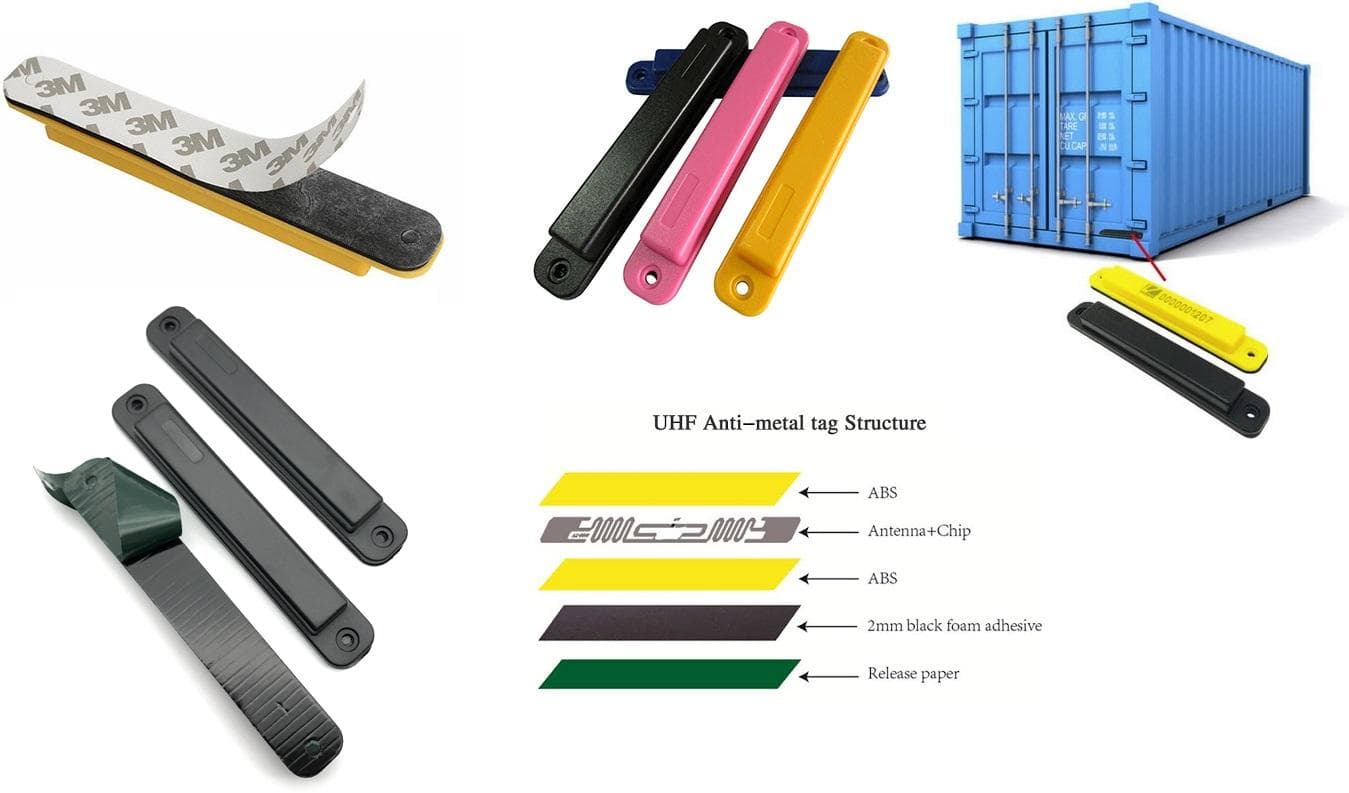
ເພີ່ມການເບິ່ງເຫັນຊັບສິນ: ຄູ່ມືສຸດທ້າຍສໍາລັບແທັກ Anti-Metal UHF RFID
Mar 2, 2026

ການຊ່ຽວຊານ UHF RFID ໃນ Odoo: ຮາດແວ້ຣ, ຂະບວນການ, ແລະ ການປະຕິບັດທີ່ດີ
Mar 2, 2026
Chainway C72 ການທົບທວນຢ່າງລະອຽດ: ສະພາບລະອຽດ, ລາຄາ, ແລະ ທາງເລືອກທີ່ດີທີ່ສຸດ
Mar 2, 2026
The Ultimate UWB Module Comparison: Prices, Specs, and Use Cases
Feb 23, 2026