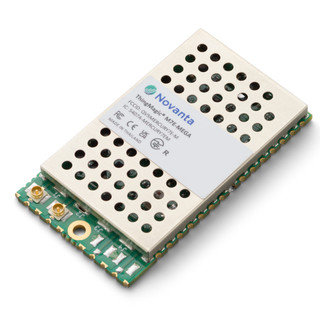
The ThingMagic M7e-Mega is an $200 Impinj E710 OEM module. Evaluate its raw UART integration requirements against Nextwaves standalone IP gateways.
ຂໍ້ມູນທາງວິຊາການ
ພາບລວມຮາດແວ້
ອຸປະກອນ ThingMagic (JADAK) M7e-Mega ແມ່ນອຸປະກອນ RFID ຊັ້ນອຸດສາຫະກຳ. ມັນດໍາເນີນການໃນຊ່ວງຄວາມແລກ Global (860-960 MHz) ແລະສະໜັບສະໜູນມາດຕະການ EPC Gen2v2, ISO 18000-63, ຊ່ວຍໃຫ້ມັນຖືກຕິດຕັ້ງຢ່າງກວ້າງຂວາງໃນແອັບພລິເຄຊັ່ນການຂົນສົ່ງຂອງອົງກອນ.
ດ້ວຍການຈັດອັນສະຖານ IP Bare PCB (None), ມັນມີການປົກປ້ອງຕໍ່ສະພາບອາກາດທີ່ຈຳເປັນໃນສາງຫຼືພາຍຫຼັງຮ້ານຂາຍ. ຕົວອ່ານນີ້ໃຊ້ 3.3V to 5.25V DC ສໍາລັບການດໍາເນີນງານຕໍ່ເນື່ອງ, ໃນຂະນະທີ່ອັດຕາການອ່ານສູງສຸດທີ່ລາຍງານແມ່ນ up to ~800 tags/sec.
ການເຊື່ອມຕໍ່ແລະການປະສົມຂ່າວສານເຄືອຂ່າຍ
ໃນການນຳໃຊ້ສະໄໝສະໝັກ, ການປະສົມເຄືອຂ່າຍແມ່ນອຸປະສັກທີ່ສໍາຄັນທີ່ສຸດ. ຮູບແບບນີ້ໃຫ້ຕົວເລືອກ UART Serial / USB ສໍາລັບການສົ່ງຂໍ້ມູນກັບລະບົບສູງສຸດ.
ຢ່າງໃດກໍຕາມ, ຈຸດຂັດຂ້ອງທີ່ສ່ວນຫຼາຍຂອງຮາດແວ້ລເກົ່າ ThingMagic (JADAK) ແມ່ນການພັງພັນຢ່າງໜັກໃນ SDK ສ່ວນຕົວ (ເຊັ່ນ LLRP) ຫຼື ການຊ່ວຍດ້ານ IoT ທີ່ມີຄ່າແພງສູງເພື່ອປະມວນຜົນຂໍ້ມູນປ້າຍແທັກເປັນຂໍ້ມູນທາງທຸລະກິດທີ່ມີຄວາມຫຼາຍ.
ທາງເລືອກ Nextwaves
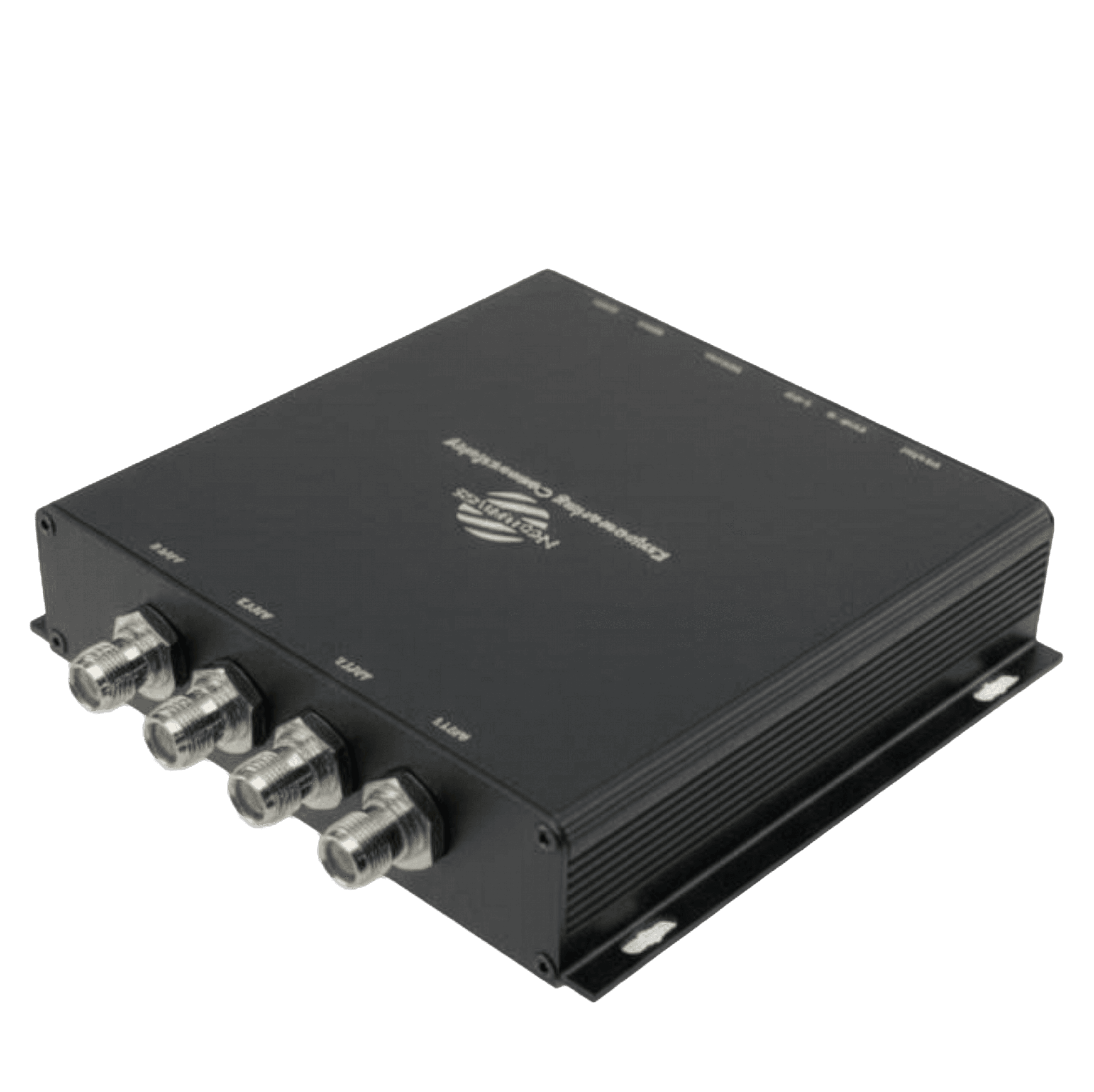
ຖ້າທີມວິຊາການຂອງທ່ານກຳລັງປະເມີນ ThingMagic (JADAK) M7e-Mega, Nextwaves NR155 ນຳເສີຍສ່ວນປະສົບການສ້າງສັງຄົມ cloud‑native ທີ່ດີກວ່າຫຼາຍ. ລະບົບເກົ່າມີການກະຕຸ້ນການໃຊ້ຈ່າຍທຶນສູງຜ່ານການລັອກກັບຜູ້ຂາຍແລະລະບົບຊອບແວສ່ວນຕົວ.
Nextwaves ລຶບລ້າງອຸປະສັກນີ້ອອກຈາກການສະໜອງ API MQTT REST ມາດຕະຖານໂດຍກົງຢູ່ໃນອຸປະກອນ. ນັກພັດທະນາຊອບແວຂອງທ່ານສາມາດປະສົມການອ່ານແທັກໂດຍກົງເຂົ້າໃນ ERP ຫຼື WMS ການບໍລິການຂອງທ່ານໃນສອງສາມວັນ ແທນທີ່ຈະໃຊ້ເດືອນ, ລະບໍ່ຈ່າຍຄ່າສິດທິຊ່ວຍດ້ານທີ່ຕໍ່ເນື່ອງ.
ຄຳຖາມທີ່ຖືກຖາມບ່ອຍໆ
M7e-Mega ແມ່ນຫຍັງ?
The ThingMagic (JADAK) M7e-Mega is a high-grade surface mount module leveraging the flagship Impinj E710 IC design. Sweeping over Global (860-960 MHz) spans, it targets EPC Gen2v2, ISO 18000-63 tags intended to build bespoke fixed overhead portal or tunnel systems.
ການຕິດຕັ້ງນີ້ມີຄ່າໃຊ້ຈ່າຍເບື້ອງຕົ້ນເທົ່າໃດ?
Single raw modules cost roughly $200. The OEM assumes significant financial risk managing mass PCB assembly processes, specialized thermal chassis designs, embedded Linux processor routing, and full FCC testing protocols.
ເປັນຫຍັງຂ້ອຍຄວນເລືອກ Nextwaves ແທນ?
Integrating raw modules ties engineering resources directly to hardware debugging. Nextwaves provides out-of-the-box sealed edge IP readers equipped with secure web APIs, letting developers focus solely on backend dashboarding.
ຮາດແວມີຄວາມທົນທານພຽງພໍສໍາລັບສາງສິນຄ້າບໍ?
Physically, the wafer is unshielded, holding a strict Bare PCB (None) rating over its 46 x 26 x 4 mm and 3 g footprint. The enclosure engineered by the OEM dictates its ultimate moisture and dust tolerances.
ມັນຮອງຮັບຫຼາຍປະເພດເຄືອຂ່າຍບໍ?
Data routing on the board is bottlenecked directly through UART Serial / USB surface pins. Bridging into a standard network necessitates marrying the module to a robust Raspberry Pi or similar generic MCU.
ທີມງານຂອງຂ້ອຍສາມາດຕິດຕັ້ງສິ່ງນີ້ພາຍໃນໄດ້ບໍ?
Setup demands surface-mount soldering the transceiver array logic. Programmers must use the ThingMagic Mercury SDK to interface directly with the module and orchestrate the tight RF hopping intervals and anti-collision windows.
ການຈັດການທາງໄກເຮັດວຽກແນວໃດ?
Because it utilizes the robust E710 IC, read throughput can theoretically hit up to ~800 tags/sec. Maintaining this relies inherently on the host CPU preventing localized serial buffer choke points.
ຂ້ອຍຕ້ອງການຊອບແວທີ່ເປັນເຈົ້າຂອງເພື່ອດໍາເນີນການບໍ?
Software routing mandates building daemon processes running on a parent Linux/RTOS box that translates localized hex streams passing out of the UART logic into compliant JSON packages shot towards cloud REST APIs.
ເຄື່ອງອ່ານມີການຮັບປະກັນຫຍັງແດ່?
While the base silicon holds standard defect warranties, guaranteeing the lifecycle of customized high-power RF electronics relies entirely upon how effectively the OEM dissipates +30 dBm thermal build up.
ເສົາອາກາດຂາຍແຍກຕ່າງຫາກບໍ?
Equipped with up to four U.FL multiplexed antenna connectors operating within Global (860-960 MHz) constraints. Delivering up to +30 dBm natively, it provides the core engineering block required for enterprise zone monitoring.