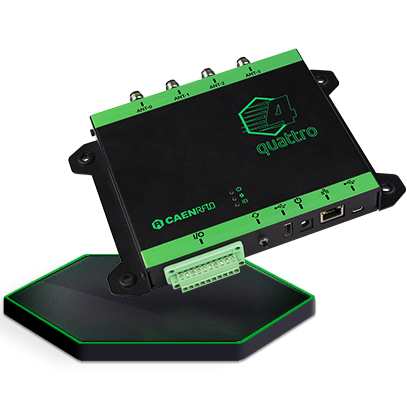
The CAEN RFID Quattro is a 4-port reader for indoor retail or smart cabinets. Compare its $1000 MSRP and specs to Nextwaves REST API controllers.
ຂໍ້ມູນທາງວິຊາການ
ພາບລວມຮາດແວ້
ອຸປະກອນ CAEN RFID Quattro (R4321P) ແມ່ນອຸປະກອນ RFID ຊັ້ນອຸດສາຫະກຳ. ມັນດໍາເນີນການໃນຊ່ວງຄວາມແລກ 865.6-867.6 MHz (ETSI) / 902-928 MHz (FCC) ແລະສະໜັບສະໜູນມາດຕະການ EPC C1 G2, ISO 18000-63, ຊ່ວຍໃຫ້ມັນຖືກຕິດຕັ້ງຢ່າງກວ້າງຂວາງໃນແອັບພລິເຄຊັ່ນການຂົນສົ່ງຂອງອົງກອນ.
ດ້ວຍການຈັດອັນສະຖານ IP IP30, ມັນມີການປົກປ້ອງຕໍ່ສະພາບອາກາດທີ່ຈຳເປັນໃນສາງຫຼືພາຍຫຼັງຮ້ານຂາຍ. ຕົວອ່ານນີ້ໃຊ້ 5V DC or PoE (802.3af) ສໍາລັບການດໍາເນີນງານຕໍ່ເນື່ອງ, ໃນຂະນະທີ່ອັດຕາການອ່ານສູງສຸດທີ່ລາຍງານແມ່ນ Up to 400 Kb/s.
ການເຊື່ອມຕໍ່ແລະການປະສົມຂ່າວສານເຄືອຂ່າຍ
ໃນການນຳໃຊ້ສະໄໝສະໝັກ, ການປະສົມເຄືອຂ່າຍແມ່ນອຸປະສັກທີ່ສໍາຄັນທີ່ສຸດ. ຮູບແບບນີ້ໃຫ້ຕົວເລືອກ Ethernet (PoE), USB, GPIO ສໍາລັບການສົ່ງຂໍ້ມູນກັບລະບົບສູງສຸດ.
ຢ່າງໃດກໍຕາມ, ຈຸດຂັດຂ້ອງທີ່ສ່ວນຫຼາຍຂອງຮາດແວ້ລເກົ່າ CAEN RFID ແມ່ນການພັງພັນຢ່າງໜັກໃນ SDK ສ່ວນຕົວ (ເຊັ່ນ LLRP) ຫຼື ການຊ່ວຍດ້ານ IoT ທີ່ມີຄ່າແພງສູງເພື່ອປະມວນຜົນຂໍ້ມູນປ້າຍແທັກເປັນຂໍ້ມູນທາງທຸລະກິດທີ່ມີຄວາມຫຼາຍ.
ທາງເລືອກ Nextwaves
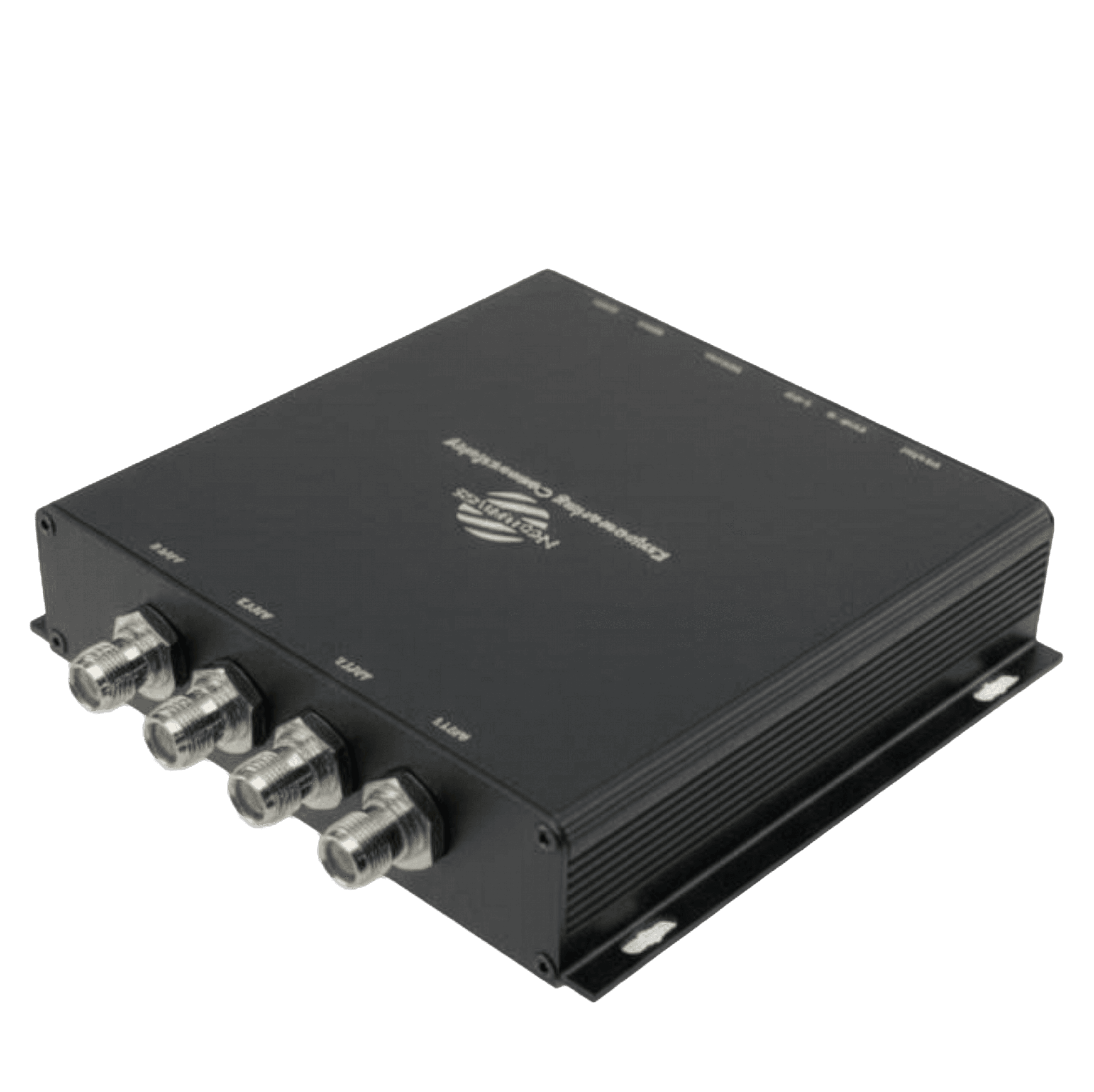
ຖ້າທີມວິຊາການຂອງທ່ານກຳລັງປະເມີນ CAEN RFID Quattro (R4321P), Nextwaves NR155 ນຳເສີຍສ່ວນປະສົບການສ້າງສັງຄົມ cloud‑native ທີ່ດີກວ່າຫຼາຍ. ລະບົບເກົ່າມີການກະຕຸ້ນການໃຊ້ຈ່າຍທຶນສູງຜ່ານການລັອກກັບຜູ້ຂາຍແລະລະບົບຊອບແວສ່ວນຕົວ.
Nextwaves ລຶບລ້າງອຸປະສັກນີ້ອອກຈາກການສະໜອງ API MQTT REST ມາດຕະຖານໂດຍກົງຢູ່ໃນອຸປະກອນ. ນັກພັດທະນາຊອບແວຂອງທ່ານສາມາດປະສົມການອ່ານແທັກໂດຍກົງເຂົ້າໃນ ERP ຫຼື WMS ການບໍລິການຂອງທ່ານໃນສອງສາມວັນ ແທນທີ່ຈະໃຊ້ເດືອນ, ລະບໍ່ຈ່າຍຄ່າສິດທິຊ່ວຍດ້ານທີ່ຕໍ່ເນື່ອງ.
ຄຳຖາມທີ່ຖືກຖາມບ່ອຍໆ
Quattro (R4321P) ແມ່ນຫຍັງ?
The CAEN RFID Quattro (R4321P) is a compact, stationary EPC C1 G2, ISO 18000-63 RFID reader. Operating on the 865.6-867.6 MHz (ETSI) / 902-928 MHz (FCC) frequency bands, it is primarily intended for indoor smart cabinet or point-of-sale integration.
ການຕິດຕັ້ງນີ້ມີຄ່າໃຊ້ຈ່າຍເບື້ອງຕົ້ນເທົ່າໃດ?
The base hardware cost is generally around $1000. A full deployment budget must include up to 4 external antennas, MMCX cables, and 5V DC or PoE (802.3af) networking switching gear.
ເປັນຫຍັງຂ້ອຍຄວນເລືອກ Nextwaves ແທນ?
Nextwaves maintains an open-architecture approach. Our devices embed MQTT and REST API endpoints natively, allowing developers to query state directly without licensing third-party IoT middleware.
ຮາດແວມີຄວາມທົນທານພຽງພໍສໍາລັບສາງສິນຄ້າບໍ?
The sleek casing weighs 740 g and has dimensions of 210 x 140 x 27 mm. With an indoor-only IP30 rating, it provides minimal durability against environmental ingress and must be kept away from splashing water.
ມັນຮອງຮັບຫຼາຍປະເພດເຄືອຂ່າຍບໍ?
Network connectivity is established through its Ethernet (PoE), USB, GPIO ports. While typical IT protocols provide baseline security, segregating RFID hardware on dedicated LAN subnets is heavily recommended.
ທີມງານຂອງຂ້ອຍສາມາດຕິດຕັ້ງສິ່ງນີ້ພາຍໃນໄດ້ບໍ?
Physical mounting utilizes standard flush brackets. To guarantee accuracy, RF transmission settings and dense-interrogator modes must be calibrated to your facility's indoor interference profile.
ການຈັດການທາງໄກເຮັດວຽກແນວໃດ?
Under optimal lab conditions, the hardware supports data link rates Up to 400 Kb/s. Firmware and configuration updates are traditionally compiled against the CAEN RFID API.
ຂ້ອຍຕ້ອງການຊອບແວທີ່ເປັນເຈົ້າຂອງເພື່ອດໍາເນີນການບໍ?
Bridging tag data from the Ethernet (PoE), USB, GPIO interfaces to cloud CRMs or ERPs usually requires intermediate C/C++ polling software, which introduces legacy code overhead.
ເຄື່ອງອ່ານມີການຮັບປະກັນຫຍັງແດ່?
The manufacturer generally backs the hardware with a standard one-year warranty. Integrators often suggest purchasing extended technical agreements for scaled rollouts.
ເສົາອາກາດຂາຍແຍກຕ່າງຫາກບໍ?
External near-field or far-field antennas are required to establish the RF portal. Antenna polarization must be carefully selected across the 865.6-867.6 MHz (ETSI) / 902-928 MHz (FCC) band.