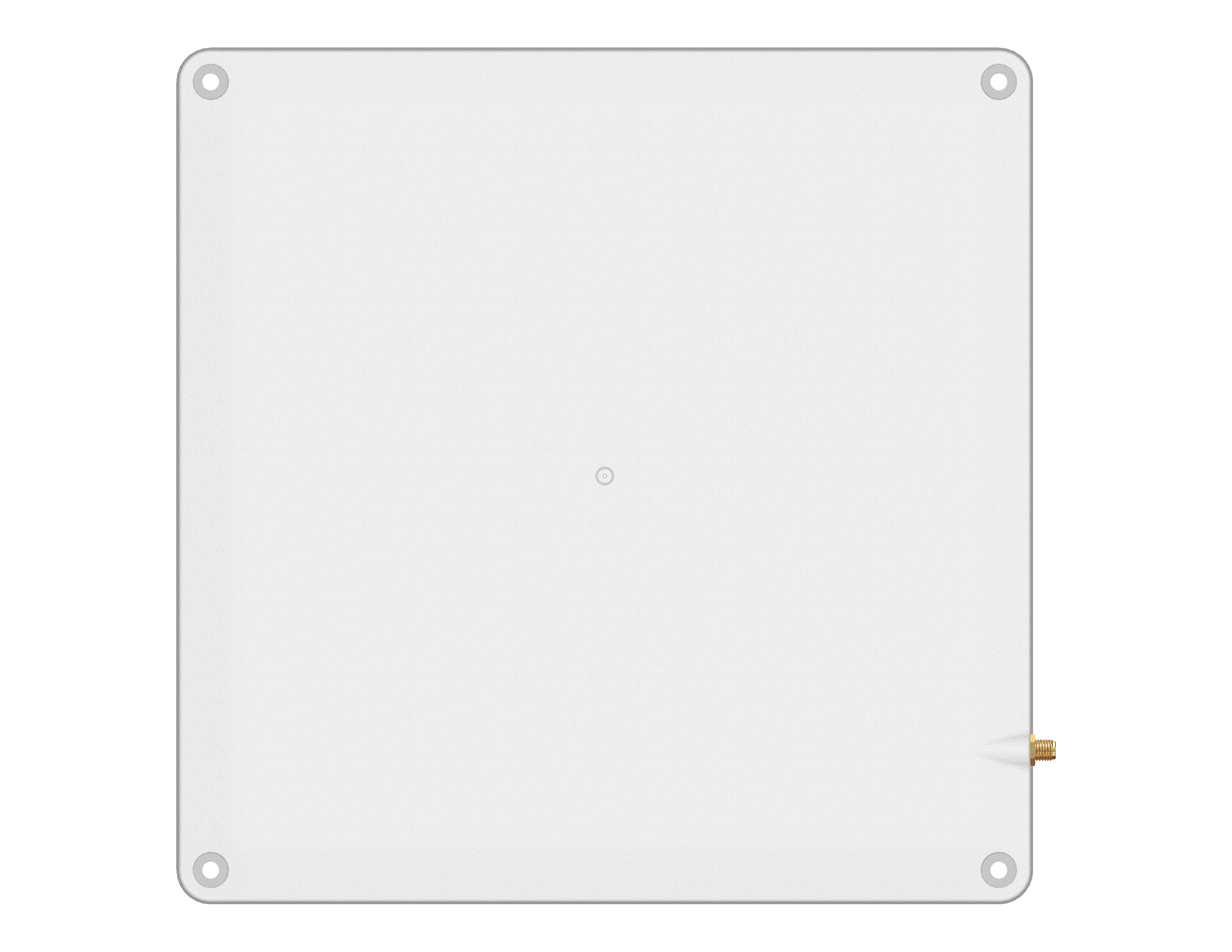
The Zebra AN510 is an indoor/outdoor passive antenna. Compare its deployment costs against standalone active edge node setups by Nextwaves.
Nkọwa Nkà na Ụzụ
Nkọwa Hardware
Zebra AN510 bụ ngwaọrụ RFID nke ụlọ ọrụ. Ọ na-arụ ọrụ n'ime oke 902-928 MHz / 865-868 MHz ma na-akwado ụkpụrụ N/A (Passive Antenna Element), na-eme ka e jiri ya mee ihe n'ọtụtụ ngwa ngwa ngwa ngwa ụlọ ọrụ.
Site na IP rating nke IP67, ọ na-enye nchebe megide ọnọdụ gburugburu ebe obibi dị na ụlọ nkwakọba ihe ma ọ bụ ụlọ azụmaahịa. Onye na-agụ akwụkwọ na-eji N/A (Passive) maka arụmọrụ na-aga n'ihu, ebe ọnụego ịgụ ya kachasị elu na N/A (Passive).
Njikọ na Njikọ Netwọk
Na ntinye nke oge a, njikọ netwọk bụ ihe mgbochi kachasị mkpa. Ihe nlereanya a na-enye nhọrọ Coaxial Type N Female maka ịnyefe data azụ na sistemụ etiti.
Otú ọ dị, nnukwu ihe mgbochi na ngwaike Zebra nketa bụ nnukwu ntụkwasị obi na SDKs nwe (dị ka LLRP) ma ọ bụ dị oké ọnụ ahịa nke atọ IoT middleware iji hazie data tagi raw ka ọ bụrụ ọgụgụ isi azụmahịa bara uru.
Nextwaves Alternative
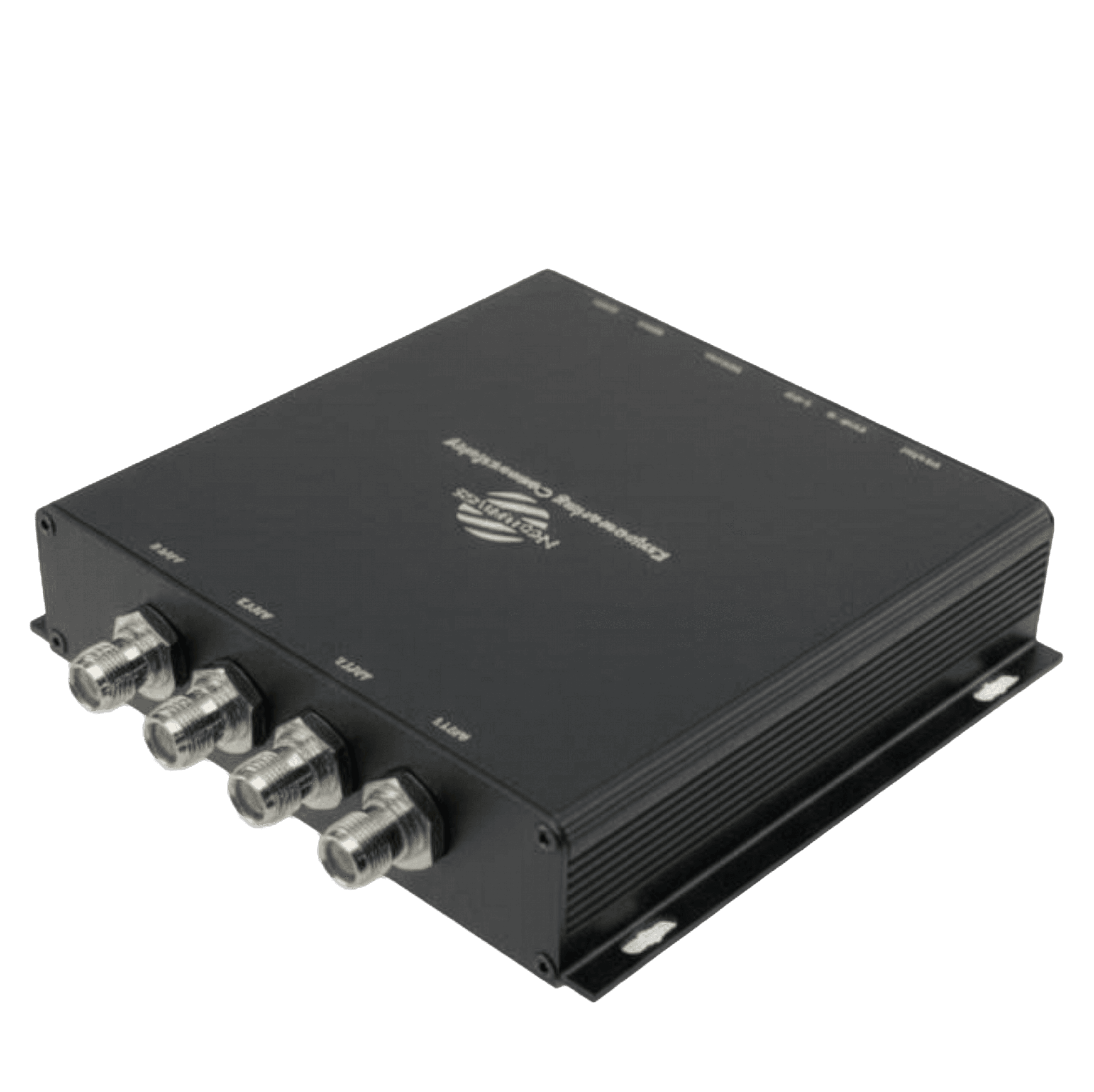
Ọ bụrụ na ndị otu injinia gị na-enyocha Zebra AN510, Nextwaves NR155 na-enye ihe owuwu igwe ojii dị elu. Usoro nketa na-akpata nnukwu mmefu isi obodo site na mkpọchi onye na-ere ahịa na sistemụ ngwanrọ nke onwe.
Nextwaves na-ewepụ ihe mgbochi a kpamkpam site n'inye ọkọlọtọ MQTT REST API ozugbo na ngwaọrụ ahụ. Ndị mmepe ngwanrọ gị nwere ike itinye ịgụ akara ozugbo n'ime azụ ERP ma ọ bụ WMS omenala gị n'ime ụbọchị kama ọnwa, na-agafe kpamkpam ụgwọ ikike middleware na-eme ugboro ugboro.
Ajụjụ A Na-ajụkarị
Gịnị bụ AN510?
The Zebra AN510 is an extraordinarily thin, low-profile RFID antenna engineered specifically for retail or customer-facing environments. It functions over both EU and US 902-928 MHz / 865-868 MHz bands purely as a passive broadcast plate.
Ego ole ka nhazi a na-efu na mbụ?
Base plates retail for around $150. Total project costs spike sharply when adding low-loss specialized coaxial cables, wall mounting hardware, and the necessary standalone active interrogator required to pulse energy into the antenna.
Gịnị mere m ga-eji họrọ Nextwaves kama?
Discrete antenna implementations demand complex RF cable routing behind walls. Nextwaves simplifies infrastructure by embedding enterprise-grade antennas directly over active logic boards powered through simple PoE.
Ngwaike ahụ ọ siri ike zuru ezu maka ụlọ nkwakọba ihe?
Measuring a sleek 250 x 250 x 14 mm and weighing just 0.75 kg, it is highly inconspicuous. Despite its aesthetic design, it retains a rugged IP67 rating, effectively resisting condensation, dust, and wash-downs.
Ọ na-akwado ọtụtụ ụdị netwọkụ?
This element has no network switch capability. It connects physically to active portal readers strictly via heavily shielded Coaxial Type N Female connections.
Ndị otu m nwere ike ịwụnye nke a n'ime ụlọ?
Installers affix the plate flush against retail drywall or checkout countertops. Critical setup entails tuning the external reader module to compensate for decibel signal loss propagating through the N-Type cables.
Kedu ka njikwa dịpụrụ adịpụ si arụ ọrụ?
Being purely passive, it maintains a N/A (Passive) rating. Speed metrics are governed entirely by the capacity of the master interrogator hardware managing the RF waves.
Ọ dị m mkpa ngwanrọ nwe naanị iji mee ya?
It requires absolutely no direct middleware because it operates solely as a piece of metal. Software developers must interface with the APIs exposed by the proprietary proprietary reader driving the RF signals.
Kedu akwụkwọ ikike na-abịa na ihe ọgụgụ?
Constructed to weather industrial and retail wear, its IP67 housing holds a standard one-year warranty, mainly protecting against failed interior lead soldering.
A na-ere antenna iche iche?
Producing approximately 5.0 dBic in Right-Hand or Left-Hand Circular polarization depending on configuration. Wide coverage over the 902-928 MHz / 865-868 MHz block ensures reliable tag illumination in chaotic zones.