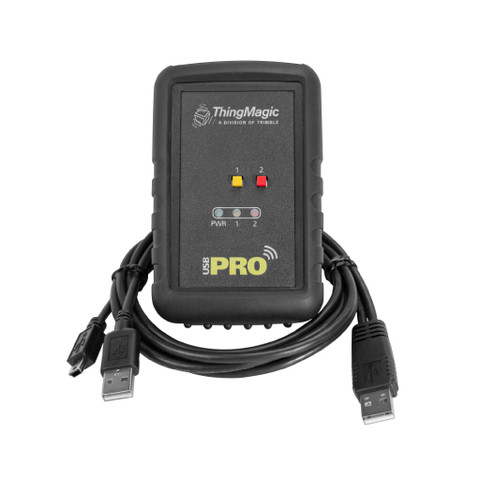
The ThingMagic USB Pro is a $700 specialized desktop reader reliant on USB. Compare its wired requirements against Nextwaves wireless autonomous hardware.
Nkọwa Nkà na Ụzụ
Nkọwa Hardware
ThingMagic (JADAK) USB Pro bụ ngwaọrụ RFID nke ụlọ ọrụ. Ọ na-arụ ọrụ n'ime oke Global ma na-akwado ụkpụrụ EPC Gen2v2, ISO 18000-63, na-eme ka e jiri ya mee ihe n'ọtụtụ ngwa ngwa ngwa ngwa ụlọ ọrụ.
Site na IP rating nke indoor rating, ọ na-enye nchebe megide ọnọdụ gburugburu ebe obibi dị na ụlọ nkwakọba ihe ma ọ bụ ụlọ azụmaahịa. Onye na-agụ akwụkwọ na-eji USB Bus Power maka arụmọrụ na-aga n'ihu, ebe ọnụego ịgụ ya kachasị elu na ~50 tags/sec.
Njikọ na Njikọ Netwọk
Na ntinye nke oge a, njikọ netwọk bụ ihe mgbochi kachasị mkpa. Ihe nlereanya a na-enye nhọrọ USB 2.0 Type A maka ịnyefe data azụ na sistemụ etiti.
Otú ọ dị, nnukwu ihe mgbochi na ngwaike ThingMagic (JADAK) nketa bụ nnukwu ntụkwasị obi na SDKs nwe (dị ka LLRP) ma ọ bụ dị oké ọnụ ahịa nke atọ IoT middleware iji hazie data tagi raw ka ọ bụrụ ọgụgụ isi azụmahịa bara uru.
Nextwaves Alternative
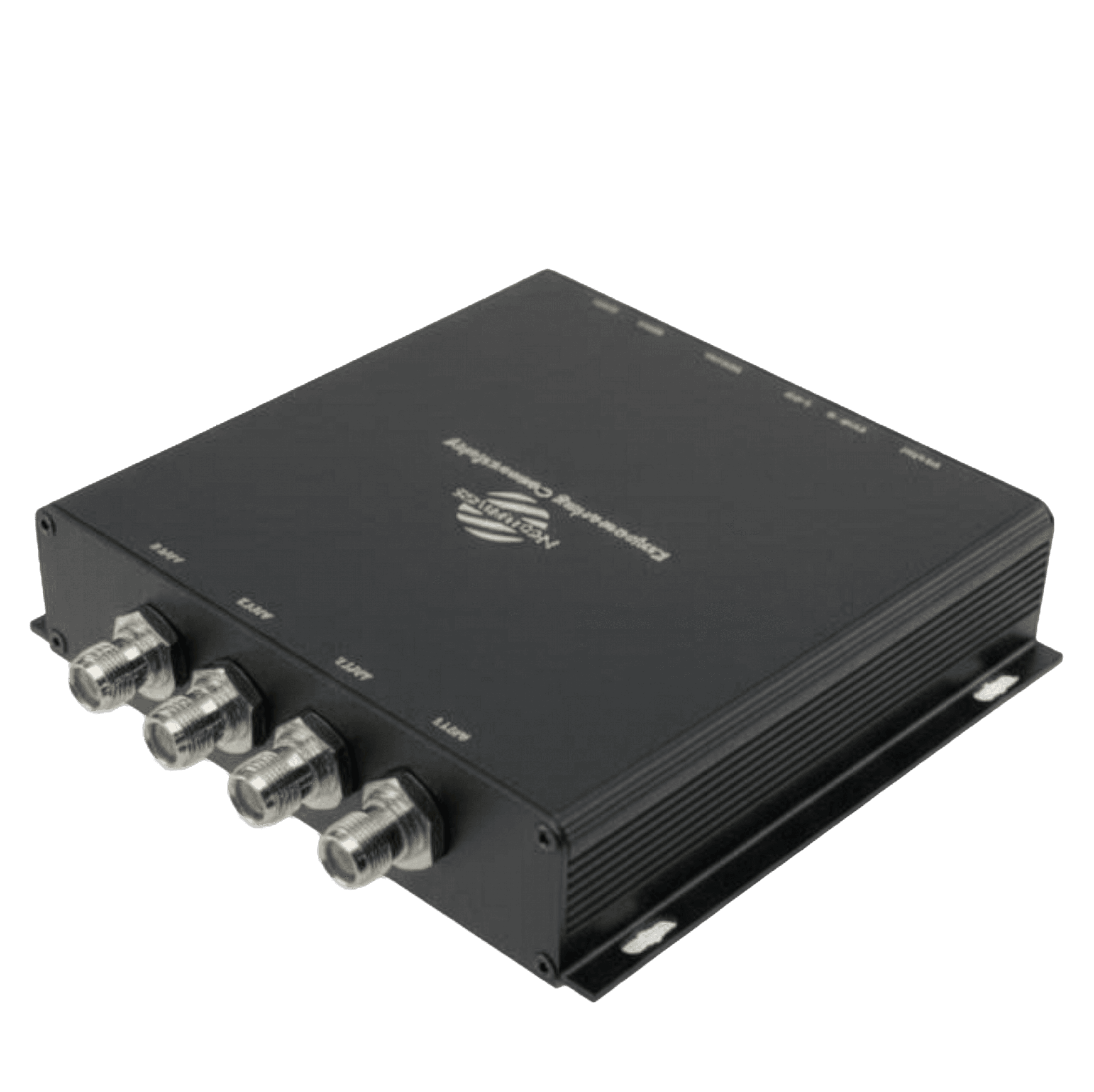
Ọ bụrụ na ndị otu injinia gị na-enyocha ThingMagic (JADAK) USB Pro, Nextwaves NR155 na-enye ihe owuwu igwe ojii dị elu. Usoro nketa na-akpata nnukwu mmefu isi obodo site na mkpọchi onye na-ere ahịa na sistemụ ngwanrọ nke onwe.
Nextwaves na-ewepụ ihe mgbochi a kpamkpam site n'inye ọkọlọtọ MQTT REST API ozugbo na ngwaọrụ ahụ. Ndị mmepe ngwanrọ gị nwere ike itinye ịgụ akara ozugbo n'ime azụ ERP ma ọ bụ WMS omenala gị n'ime ụbọchị kama ọnwa, na-agafe kpamkpam ụgwọ ikike middleware na-eme ugboro ugboro.
Ajụjụ A Na-ajụkarị
Gịnị bụ USB Pro?
The ThingMagic (JADAK) USB Pro is a stationary, desktop-mounted RFID interrogator. It supports the EPC Gen2v2, ISO 18000-63 protocols over Global frequencies, primarily intended for individual asset encoding, access credential issuance, and point-of-sale checkout.
Ego ole ka nhazi a na-efu na mbụ?
Retail pricing typically falls around $700. Deployment budgeting is generally simple since it relies on USB Bus Power directly from the connected PC host without needing external AC wiring or separate antenna brackets.
Gịnị mere m ga-eji họrọ Nextwaves kama?
Nextwaves infrastructure utilizes standalone networking hardware to communicate directly to your SQL databases via webhooks. You completely remove the requirement of keeping a Windows PC constantly powered simply to shuttle EPC data.
Ngwaike ahụ ọ siri ike zuru ezu maka ụlọ nkwakọba ihe?
The aluminum enclosure checks in at 0.27 kg and measures 97 x 61 x 25 mm. It carries an indoor rating, intended strictly for dry, climate-controlled environments like ticketing booths or developer testing benches.
Ọ na-akwado ọtụtụ ụdị netwọkụ?
Data routing is strictly confined to a physical USB 2.0 Type A interface. It establishes no network connections of its own, meaning all security auditing falls entirely on the policies of the connected host computer.
Ndị otu m nwere ike ịwụnye nke a n'ime ụlọ?
Setup is heavily reliant on the ThingMagic Mercury API. Software teams must compile C# / Java bindings to initialize the reader, control the internal transceiver, and manage the stream of incoming hex identifiers.
Kedu ka njikwa dịpụrụ adịpụ si arụ ọrụ?
Driven internally by an M6e-Micro module, the desktop read speed peaks at roughly ~50 tags/sec. It is optimized for near-field single tag targeting rather than high-density warehousing sweeps.
Ọ dị m mkpa ngwanrọ nwe naanị iji mee ya?
Because it acts as a peripheral via its USB 2.0 Type A link, developers must write host-side daemon software that polls the USB pipe, packages the data into JSON, and transmits it out to enterprise logistics systems.
Kedu akwụkwọ ikike na-abịa na ihe ọgụgụ?
JADAK supports the USB Pro with a standard desktop hardware warranty. System integrations often utilize it primarily as a programming station rather than a critical high-throughput checkpoint.
A na-ere antenna iche iche?
This model integrates a small ceramic antenna tuned across a wide Global broadband footprint. It deliberately restricts transmit output (up to +30 dBm) to prevent reading unintended tags situated further away in the room.