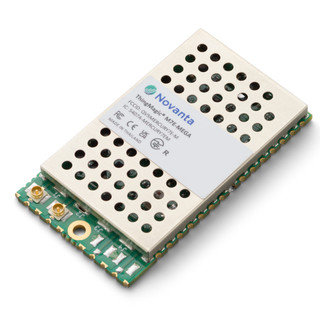
The ThingMagic M7e-Mega is an $200 Impinj E710 OEM module. Evaluate its raw UART integration requirements against Nextwaves standalone IP gateways.
Nkọwa Nkà na Ụzụ
Nkọwa Hardware
ThingMagic (JADAK) M7e-Mega bụ ngwaọrụ RFID nke ụlọ ọrụ. Ọ na-arụ ọrụ n'ime oke Global (860-960 MHz) ma na-akwado ụkpụrụ EPC Gen2v2, ISO 18000-63, na-eme ka e jiri ya mee ihe n'ọtụtụ ngwa ngwa ngwa ngwa ụlọ ọrụ.
Site na IP rating nke Bare PCB (None), ọ na-enye nchebe megide ọnọdụ gburugburu ebe obibi dị na ụlọ nkwakọba ihe ma ọ bụ ụlọ azụmaahịa. Onye na-agụ akwụkwọ na-eji 3.3V to 5.25V DC maka arụmọrụ na-aga n'ihu, ebe ọnụego ịgụ ya kachasị elu na up to ~800 tags/sec.
Njikọ na Njikọ Netwọk
Na ntinye nke oge a, njikọ netwọk bụ ihe mgbochi kachasị mkpa. Ihe nlereanya a na-enye nhọrọ UART Serial / USB maka ịnyefe data azụ na sistemụ etiti.
Otú ọ dị, nnukwu ihe mgbochi na ngwaike ThingMagic (JADAK) nketa bụ nnukwu ntụkwasị obi na SDKs nwe (dị ka LLRP) ma ọ bụ dị oké ọnụ ahịa nke atọ IoT middleware iji hazie data tagi raw ka ọ bụrụ ọgụgụ isi azụmahịa bara uru.
Nextwaves Alternative
Ọ bụrụ na ndị otu injinia gị na-enyocha ThingMagic (JADAK) M7e-Mega, Nextwaves NR155 na-enye ihe owuwu igwe ojii dị elu. Usoro nketa na-akpata nnukwu mmefu isi obodo site na mkpọchi onye na-ere ahịa na sistemụ ngwanrọ nke onwe.
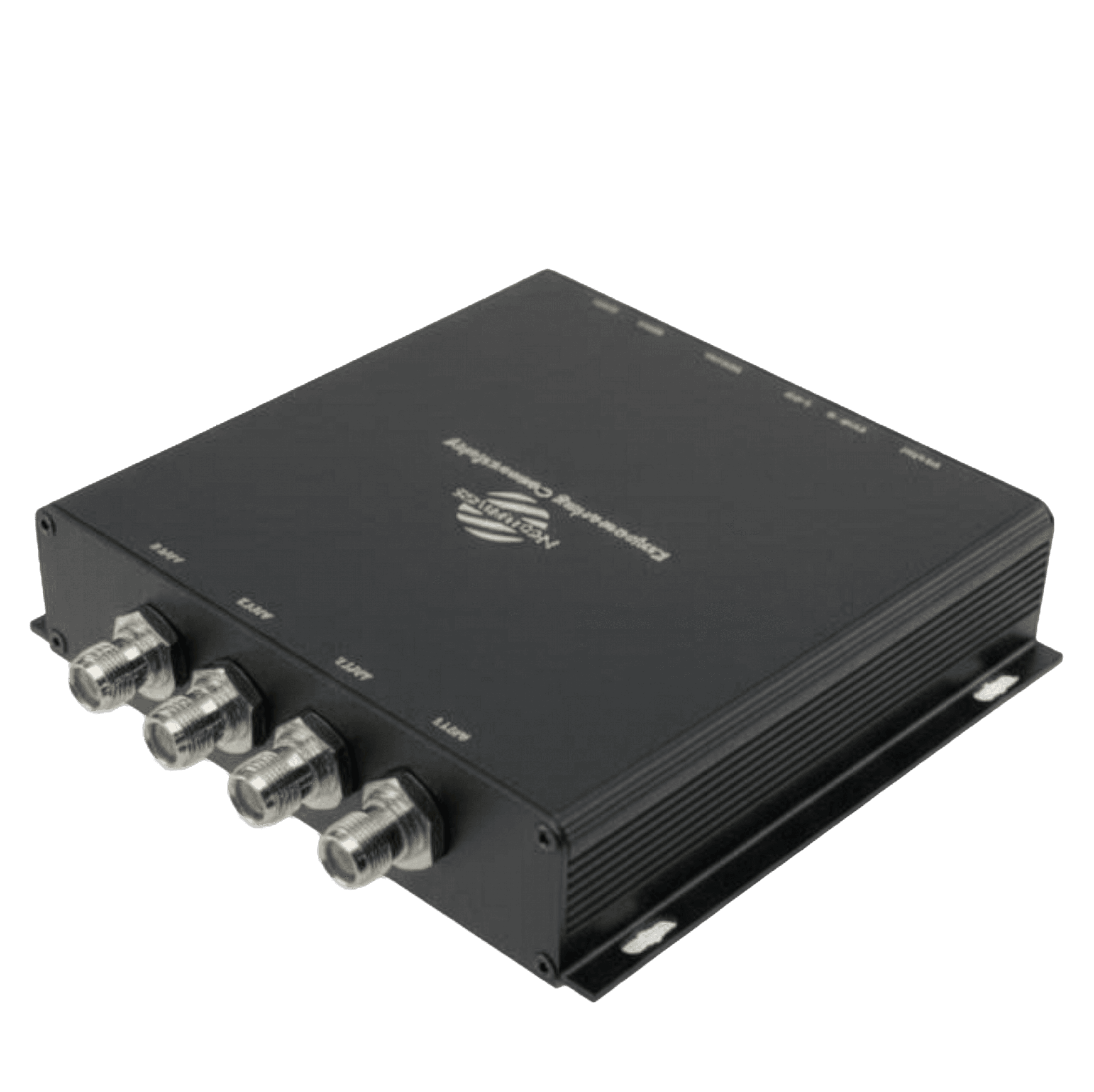
Nextwaves na-ewepụ ihe mgbochi a kpamkpam site n'inye ọkọlọtọ MQTT REST API ozugbo na ngwaọrụ ahụ. Ndị mmepe ngwanrọ gị nwere ike itinye ịgụ akara ozugbo n'ime azụ ERP ma ọ bụ WMS omenala gị n'ime ụbọchị kama ọnwa, na-agafe kpamkpam ụgwọ ikike middleware na-eme ugboro ugboro.
Ajụjụ A Na-ajụkarị
Gịnị bụ M7e-Mega?
The ThingMagic (JADAK) M7e-Mega is a high-grade surface mount module leveraging the flagship Impinj E710 IC design. Sweeping over Global (860-960 MHz) spans, it targets EPC Gen2v2, ISO 18000-63 tags intended to build bespoke fixed overhead portal or tunnel systems.
Ego ole ka nhazi a na-efu na mbụ?
Single raw modules cost roughly $200. The OEM assumes significant financial risk managing mass PCB assembly processes, specialized thermal chassis designs, embedded Linux processor routing, and full FCC testing protocols.
Gịnị mere m ga-eji họrọ Nextwaves kama?
Integrating raw modules ties engineering resources directly to hardware debugging. Nextwaves provides out-of-the-box sealed edge IP readers equipped with secure web APIs, letting developers focus solely on backend dashboarding.
Ngwaike ahụ ọ siri ike zuru ezu maka ụlọ nkwakọba ihe?
Physically, the wafer is unshielded, holding a strict Bare PCB (None) rating over its 46 x 26 x 4 mm and 3 g footprint. The enclosure engineered by the OEM dictates its ultimate moisture and dust tolerances.
Ọ na-akwado ọtụtụ ụdị netwọkụ?
Data routing on the board is bottlenecked directly through UART Serial / USB surface pins. Bridging into a standard network necessitates marrying the module to a robust Raspberry Pi or similar generic MCU.
Ndị otu m nwere ike ịwụnye nke a n'ime ụlọ?
Setup demands surface-mount soldering the transceiver array logic. Programmers must use the ThingMagic Mercury SDK to interface directly with the module and orchestrate the tight RF hopping intervals and anti-collision windows.
Kedu ka njikwa dịpụrụ adịpụ si arụ ọrụ?
Because it utilizes the robust E710 IC, read throughput can theoretically hit up to ~800 tags/sec. Maintaining this relies inherently on the host CPU preventing localized serial buffer choke points.
Ọ dị m mkpa ngwanrọ nwe naanị iji mee ya?
Software routing mandates building daemon processes running on a parent Linux/RTOS box that translates localized hex streams passing out of the UART logic into compliant JSON packages shot towards cloud REST APIs.
Kedu akwụkwọ ikike na-abịa na ihe ọgụgụ?
While the base silicon holds standard defect warranties, guaranteeing the lifecycle of customized high-power RF electronics relies entirely upon how effectively the OEM dissipates +30 dBm thermal build up.
A na-ere antenna iche iche?
Equipped with up to four U.FL multiplexed antenna connectors operating within Global (860-960 MHz) constraints. Delivering up to +30 dBm natively, it provides the core engineering block required for enterprise zone monitoring.