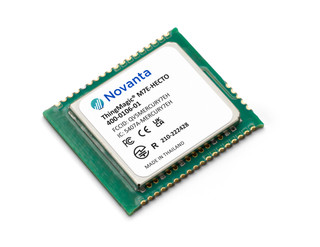
The ThingMagic M7e-Hecto is a $150 OEM module powered by the Impinj E510 IC. Compare its bare PCB integration timeline against Nextwaves turnkey hardware.
Nkọwa Nkà na Ụzụ
Nkọwa Hardware
ThingMagic (JADAK) M7e-Hecto bụ ngwaọrụ RFID nke ụlọ ọrụ. Ọ na-arụ ọrụ n'ime oke Global (860-960 MHz) ma na-akwado ụkpụrụ EPC Gen2v2, ISO 18000-63, na-eme ka e jiri ya mee ihe n'ọtụtụ ngwa ngwa ngwa ngwa ụlọ ọrụ.
Site na IP rating nke Bare PCB (None), ọ na-enye nchebe megide ọnọdụ gburugburu ebe obibi dị na ụlọ nkwakọba ihe ma ọ bụ ụlọ azụmaahịa. Onye na-agụ akwụkwọ na-eji 3.3V to 5.25V DC maka arụmọrụ na-aga n'ihu, ebe ọnụego ịgụ ya kachasị elu na up to ~300 tags/sec.
Njikọ na Njikọ Netwọk
Na ntinye nke oge a, njikọ netwọk bụ ihe mgbochi kachasị mkpa. Ihe nlereanya a na-enye nhọrọ UART Serial / USB maka ịnyefe data azụ na sistemụ etiti.
Otú ọ dị, nnukwu ihe mgbochi na ngwaike ThingMagic (JADAK) nketa bụ nnukwu ntụkwasị obi na SDKs nwe (dị ka LLRP) ma ọ bụ dị oké ọnụ ahịa nke atọ IoT middleware iji hazie data tagi raw ka ọ bụrụ ọgụgụ isi azụmahịa bara uru.
Nextwaves Alternative
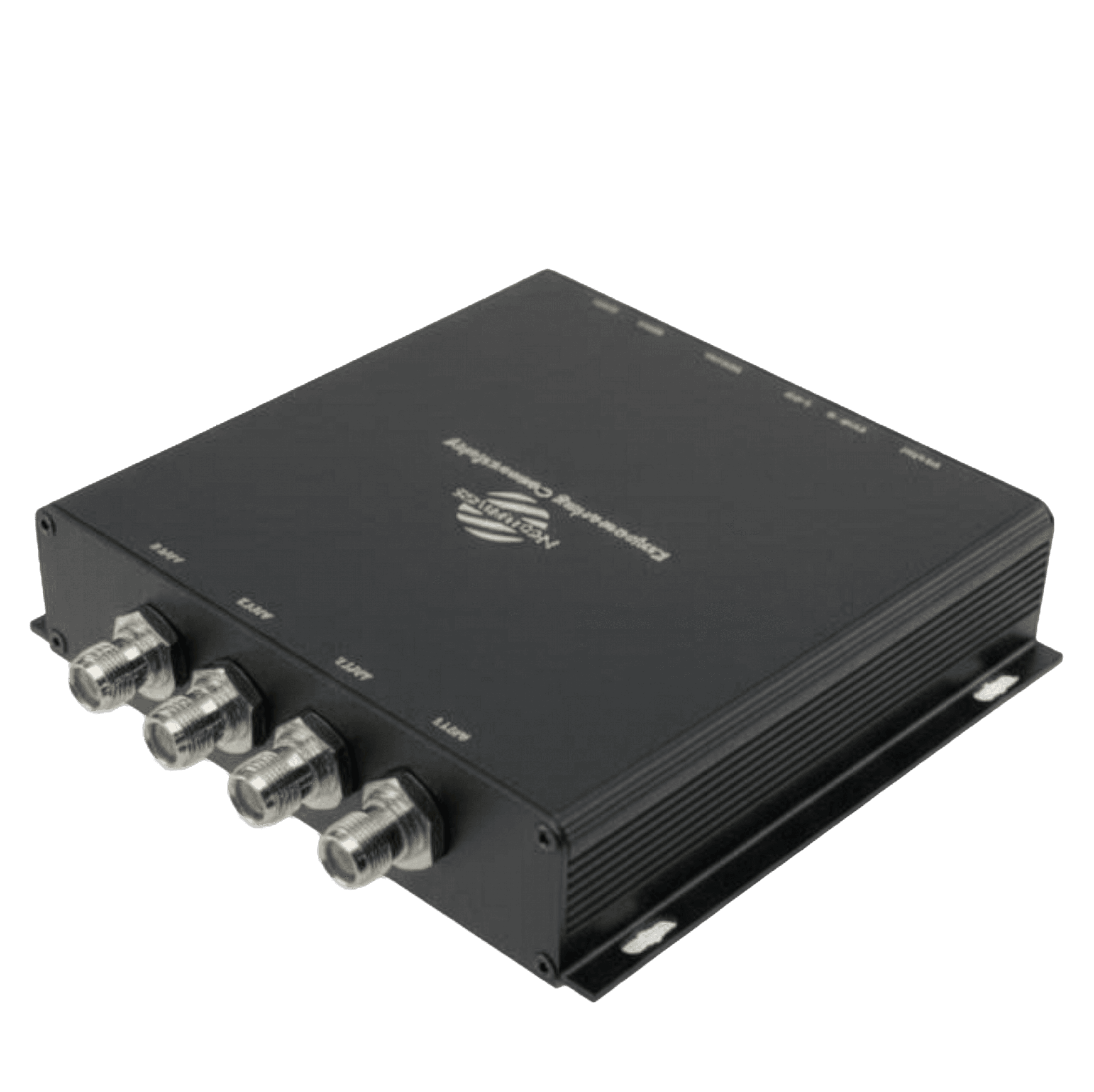
Ọ bụrụ na ndị otu injinia gị na-enyocha ThingMagic (JADAK) M7e-Hecto, Nextwaves NR155 na-enye ihe owuwu igwe ojii dị elu. Usoro nketa na-akpata nnukwu mmefu isi obodo site na mkpọchi onye na-ere ahịa na sistemụ ngwanrọ nke onwe.
Nextwaves na-ewepụ ihe mgbochi a kpamkpam site n'inye ọkọlọtọ MQTT REST API ozugbo na ngwaọrụ ahụ. Ndị mmepe ngwanrọ gị nwere ike itinye ịgụ akara ozugbo n'ime azụ ERP ma ọ bụ WMS omenala gị n'ime ụbọchị kama ọnwa, na-agafe kpamkpam ụgwọ ikike middleware na-eme ugboro ugboro.
Ajụjụ A Na-ajụkarị
Gịnị bụ M7e-Hecto?
The ThingMagic (JADAK) M7e-Hecto is an embeddable UHF module integrating the mid-tier Impinj E510 RFIC. Operating across Global (860-960 MHz) channels, it maps EPC Gen2v2, ISO 18000-63 identifiers into a serialized output standard for OEM engineering teams.
Ego ole ka nhazi a na-efu na mbụ?
Individual modules price out near $150. Developing functional industrial scanners requires massive hardware expenditures encompassing custom motherboards, multi-port antenna selectors, integrated cooling fins, and specialized logic controllers.
Gịnị mere m ga-eji họrọ Nextwaves kama?
The true cost of modular integration lies strictly in the software hours required. Nextwaves completely eliminates low-level C++ serial logic programming by offering readers with HTTP webhooks enabled inherently out-of-the-box.
Ngwaike ahụ ọ siri ike zuru ezu maka ụlọ nkwakọba ihe?
Operating as an unprotected microcircuit measuring 46 x 26 x 4 mm and weighing 3 g, the unit requires the OEM to provide an IP-rated casing to bypass its Bare PCB (None) reality.
Ọ na-akwado ọtụtụ ụdị netwọkụ?
Communications are bottlenecked to localized UART Serial / USB edge pins. Implementing WPA3 Wi-Fi or TLS 1.2 Ethernet security remains the direct responsibility of the OEM's master microcontroller logic.
Ndị otu m nwere ike ịwụnye nke a n'ime ụlọ?
Physical integration requires wave soldering into a host PCB. The commanding processor must run the ThingMagic Mercury API dynamically to handle asynchronous interruptions and manage buffer logic on the interrogator.
Kedu ka njikwa dịpụrụ adịpụ si arụ ọrụ?
The E510 IC is capable of reading up to ~300 tags/sec in clean environments. True throughput is dictated by the ability of the host microprocessor to clear the small serial buffers before they overflow.
Ọ dị m mkpa ngwanrọ nwe naanị iji mee ya?
Because the M7e-Hecto exports raw hex arrays locally via UART, developers must wrap these strings into TCP/IP or HTTP packets using auxiliary network coprocessors to reach backend asset management environments securely.
Kedu akwụkwọ ikike na-abịa na ihe ọgụgụ?
Standard ThingMagic defective parts warranties apply, universally voided if ESD protocols or thermal paste guidelines are ignored heavily during the customized OEM manufacturing process.
A na-ere antenna iche iche?
Its dual MMCX antenna edge connections support wide Global (860-960 MHz) profiles. Delivering up to +27 dBm output power, it creates a robust detection field requiring cautious electromagnetic interference testing against the host device.