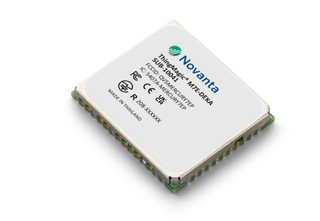
The ThingMagic M7e-Deka is a miniature $120 UHF module based on the Impinj E310 core. Understand the engineering costs for deep hardware embedding.
Nkọwa Nkà na Ụzụ
Nkọwa Hardware
ThingMagic (JADAK) M7e-Deka bụ ngwaọrụ RFID nke ụlọ ọrụ. Ọ na-arụ ọrụ n'ime oke Global (860-960 MHz) ma na-akwado ụkpụrụ EPC Gen2v2, ISO 18000-63, na-eme ka e jiri ya mee ihe n'ọtụtụ ngwa ngwa ngwa ngwa ụlọ ọrụ.
Site na IP rating nke Bare PCB (None), ọ na-enye nchebe megide ọnọdụ gburugburu ebe obibi dị na ụlọ nkwakọba ihe ma ọ bụ ụlọ azụmaahịa. Onye na-agụ akwụkwọ na-eji 3.3V to 5.25V DC maka arụmọrụ na-aga n'ihu, ebe ọnụego ịgụ ya kachasị elu na up to ~300 tags/sec.
Njikọ na Njikọ Netwọk
Na ntinye nke oge a, njikọ netwọk bụ ihe mgbochi kachasị mkpa. Ihe nlereanya a na-enye nhọrọ UART Serial / USB maka ịnyefe data azụ na sistemụ etiti.
Otú ọ dị, nnukwu ihe mgbochi na ngwaike ThingMagic (JADAK) nketa bụ nnukwu ntụkwasị obi na SDKs nwe (dị ka LLRP) ma ọ bụ dị oké ọnụ ahịa nke atọ IoT middleware iji hazie data tagi raw ka ọ bụrụ ọgụgụ isi azụmahịa bara uru.
Nextwaves Alternative
Ọ bụrụ na ndị otu injinia gị na-enyocha ThingMagic (JADAK) M7e-Deka, Nextwaves NR155 na-enye ihe owuwu igwe ojii dị elu. Usoro nketa na-akpata nnukwu mmefu isi obodo site na mkpọchi onye na-ere ahịa na sistemụ ngwanrọ nke onwe.
Nextwaves na-ewepụ ihe mgbochi a kpamkpam site n'inye ọkọlọtọ MQTT REST API ozugbo na ngwaọrụ ahụ. Ndị mmepe ngwanrọ gị nwere ike itinye ịgụ akara ozugbo n'ime azụ ERP ma ọ bụ WMS omenala gị n'ime ụbọchị kama ọnwa, na-agafe kpamkpam ụgwọ ikike middleware na-eme ugboro ugboro.

Ajụjụ A Na-ajụkarị
Gịnị bụ M7e-Deka?
The ThingMagic (JADAK) M7e-Deka is an embedded UHF RFID transceiver board engineered around the Impinj E310 IC. Capable of EPC Gen2v2, ISO 18000-63 decoding over the Global (860-960 MHz) block, it is used primarily in point-of-sale peripherals.
Ego ole ka nhazi a na-efu na mbụ?
Raw modules cost approximately $120 per unit. Like all SMD components, the true cost scales drastically when budgeting for carrier boards, antenna arrays, power management logic, and the central microprocessor.
Gịnị mere m ga-eji họrọ Nextwaves kama?
Embedding raw RF modules requires extensive C++ firmware expertise. Nextwaves supplies ready-to-mount smart nodes that already possess the physical casing, power management, and HTTP bridging logic, saving months of engineering.
Ngwaike ahụ ọ siri ike zuru ezu maka ụlọ nkwakọba ihe?
Because it is a bare circuit board measuring 46 x 26 x 4 mm and weighing just 3 g, the module carries a Bare PCB (None) rating. Operators must design a rigid enclosure to shield it from factory or retail dust.
Ọ na-akwado ọtụtụ ụdị netwọkụ?
Data pipes strictly through UART Serial / USB boundary logic pins. Bridging this data into enterprise networks requires the parent device to provide secondary Ethernet or Wi-Fi processors.
Ndị otu m nwere ike ịwụnye nke a n'ime ụlọ?
Final integration necessitates attaching the module onto a larger custom PCB. Software commands must be structured using the ThingMagic Mercury SDK executed securely by the master generic microprocessor.
Kedu ka njikwa dịpụrụ adịpụ si arụ ọrụ?
Optimized for mid-range scanning, the core IC scales processing to up to ~300 tags/sec. It serves primarily as a friction-less gateway rather than a massive area scanner.
Ọ dị m mkpa ngwanrọ nwe naanị iji mee ya?
Transferring scanned strings to cloud infrastructure relies fully on your custom host firmware. To bypass legacy Bluetooth or Serial limitations, developers must code logic that pipes local serial streams into active REST connections.
Kedu akwụkwọ ikike na-abịa na ihe ọgụgụ?
The hardware holds a standard 12-month defect warranty, but component lifecycle spans are deeply tied to the thermal efficiency and static shielding of the OEM's proprietary carrier board design.
A na-ere antenna iche iche?
A single MMCX connection handles external antenna routing across the Global (860-960 MHz) bands. Peak transmit gain extends up to +27 dBm, which demands dedicated thermal throttling logic.