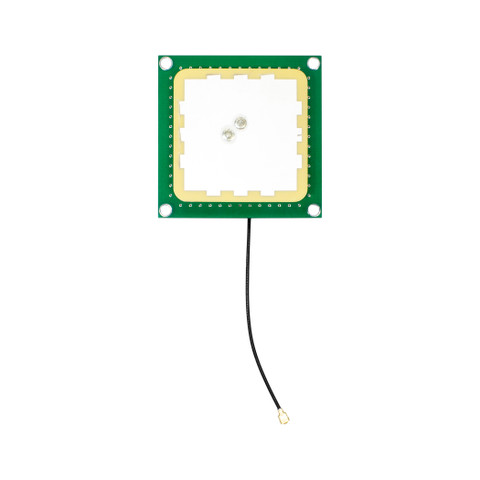
The EL6e Kit is a $50 close-range integration system mapping 902-928 MHz. Compare its embedded complexity against Nextwaves native protocol architectures.
Nkọwa Nkà na Ụzụ
Nkọwa Hardware
ThingMagic (JADAK) EL6e Kit bụ ngwaọrụ RFID nke ụlọ ọrụ. Ọ na-arụ ọrụ n'ime oke Global (Configurable) ma na-akwado ụkpụrụ EPCglobal Gen2V2, na-eme ka e jiri ya mee ihe n'ọtụtụ ngwa ngwa ngwa ngwa ụlọ ọrụ.
Site na IP rating nke N/A (Bare Circuit), ọ na-enye nchebe megide ọnọdụ gburugburu ebe obibi dị na ụlọ nkwakọba ihe ma ọ bụ ụlọ azụmaahịa. Onye na-agụ akwụkwọ na-eji 5V DC (USB) maka arụmọrụ na-aga n'ihu, ebe ọnụego ịgụ ya kachasị elu na 200 tags/second.
Njikọ na Njikọ Netwọk
Na ntinye nke oge a, njikọ netwọk bụ ihe mgbochi kachasị mkpa. Ihe nlereanya a na-enye nhọrọ USB / Serial UART maka ịnyefe data azụ na sistemụ etiti.
Otú ọ dị, nnukwu ihe mgbochi na ngwaike ThingMagic (JADAK) nketa bụ nnukwu ntụkwasị obi na SDKs nwe (dị ka LLRP) ma ọ bụ dị oké ọnụ ahịa nke atọ IoT middleware iji hazie data tagi raw ka ọ bụrụ ọgụgụ isi azụmahịa bara uru.
Nextwaves Alternative
Ọ bụrụ na ndị otu injinia gị na-enyocha ThingMagic (JADAK) EL6e Kit, Nextwaves NR155 na-enye ihe owuwu igwe ojii dị elu. Usoro nketa na-akpata nnukwu mmefu isi obodo site na mkpọchi onye na-ere ahịa na sistemụ ngwanrọ nke onwe.
Nextwaves na-ewepụ ihe mgbochi a kpamkpam site n'inye ọkọlọtọ MQTT REST API ozugbo na ngwaọrụ ahụ. Ndị mmepe ngwanrọ gị nwere ike itinye ịgụ akara ozugbo n'ime azụ ERP ma ọ bụ WMS omenala gị n'ime ụbọchị kama ọnwa, na-agafe kpamkpam ụgwọ ikike middleware na-eme ugboro ugboro.

Ajụjụ A Na-ajụkarị
Gịnị bụ EL6e Kit?
The ThingMagic (JADAK) EL6e Embedded Kit seamlessly combines a baseline M6e-Micro module with a directly mounted localized antenna array. Broadly configurable across Global frequencies, it provides engineers a ready-to-test smart reader unit for close-range asset verification.
Ego ole ka nhazi a na-efu na mbụ?
The starter kit prices aggressively near $100. However, transitioning the bare circuit into an industrial casing with isolated power supplies heavily inflates the timeline and budget for mass-production projects.
Gịnị mere m ga-eji họrọ Nextwaves kama?
The EL6e requires immense low-level engineering and chassis molding to transition into field deployment. Nextwaves solves this by supplying instantly ready, fully encased industrial nodes with identical read performance native to IP architectures.
Ngwaike ahụ ọ siri ike zuru ezu maka ụlọ nkwakọba ihe?
Weighing almost nothing at 0.10 kg and measuring an ultra-small 64 x 51 x 10 mm, it slides effortlessly inside custom ATM machines or handhelds. However, possessing an N/A (Bare Circuit) IP rating, it disintegrates quickly if exposed to moisture.
Ọ na-akwado ọtụtụ ụdị netwọkụ?
Connectivity passes entirely through direct USB or highly specialized Serial UART pinouts. It natively lacks built-in Ethernet, Wi-Fi, or MQTT, demanding extensive local MCU logic to push tag events to enterprise cloud systems.
Ndị otu m nwere ike ịwụnye nke a n'ime ụlọ?
Because it integrates the RF trace directly against the logic board, installers skip complex coaxial tuning entirely. Engineering effort shifts instead toward programming proper C/C++ memory handlers on the host micro-controller managing the board.
Kedu ka njikwa dịpụrụ adịpụ si arụ ọrụ?
Firing up to 200 tags/second, it performs robustly against desktop-scale volumes. Read velocity crashes significantly when testing against heavy warehouse portals with overlapping pallet masses.
Ọ dị m mkpa ngwanrọ nwe naanị iji mee ya?
Developers interact fiercely using JADAK's MercuryAPI. Constructing simple tag reading loops requires manually managing highly complex memory buffers, asynchronous interrupts, and hexadecimal state structures.
Kedu akwụkwọ ikike na-abịa na ihe ọgụgụ?
A standard 1-year product warranty backs the logic board against semiconductor flaws. Being fully bare silicone, deploying it without adequate electrostatic shielding (ESD) causes immediate catastrophic burnout.
A na-ere antenna iche iche?
Despite combining the board and antenna, its Global (Configurable) spread ensures highly targeted performance directly above the unit. It lacks the brute physical decibel output needed for reading heavy structural corridors.