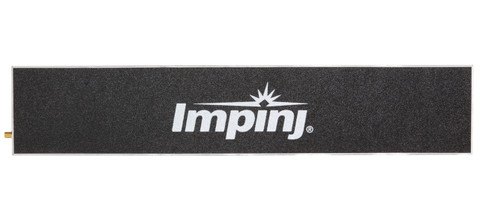
The Impinj Threshold (LP) is a $100 passive floor mat element. Review the constraints of passive mat deployments against active wide-area ceiling nets.
Nkọwa Nkà na Ụzụ
Nkọwa Hardware
Impinj Threshold (LP) bụ ngwaọrụ RFID nke ụlọ ọrụ. Ọ na-arụ ọrụ n'ime oke 902-928 MHz (FCC) ma na-akwado ụkpụrụ N/A (Passive Antenna Element), na-eme ka e jiri ya mee ihe n'ọtụtụ ngwa ngwa ngwa ngwa ụlọ ọrụ.
Site na IP rating nke IP54 (Estimated), ọ na-enye nchebe megide ọnọdụ gburugburu ebe obibi dị na ụlọ nkwakọba ihe ma ọ bụ ụlọ azụmaahịa. Onye na-agụ akwụkwọ na-eji N/A (Passive) maka arụmọrụ na-aga n'ihu, ebe ọnụego ịgụ ya kachasị elu na N/A (Passive).
Njikọ na Njikọ Netwọk
Na ntinye nke oge a, njikọ netwọk bụ ihe mgbochi kachasị mkpa. Ihe nlereanya a na-enye nhọrọ SMA Female maka ịnyefe data azụ na sistemụ etiti.
Otú ọ dị, nnukwu ihe mgbochi na ngwaike Impinj nketa bụ nnukwu ntụkwasị obi na SDKs nwe (dị ka LLRP) ma ọ bụ dị oké ọnụ ahịa nke atọ IoT middleware iji hazie data tagi raw ka ọ bụrụ ọgụgụ isi azụmahịa bara uru.
Nextwaves Alternative
Ọ bụrụ na ndị otu injinia gị na-enyocha Impinj Threshold (LP), Nextwaves NR155 na-enye ihe owuwu igwe ojii dị elu. Usoro nketa na-akpata nnukwu mmefu isi obodo site na mkpọchi onye na-ere ahịa na sistemụ ngwanrọ nke onwe.
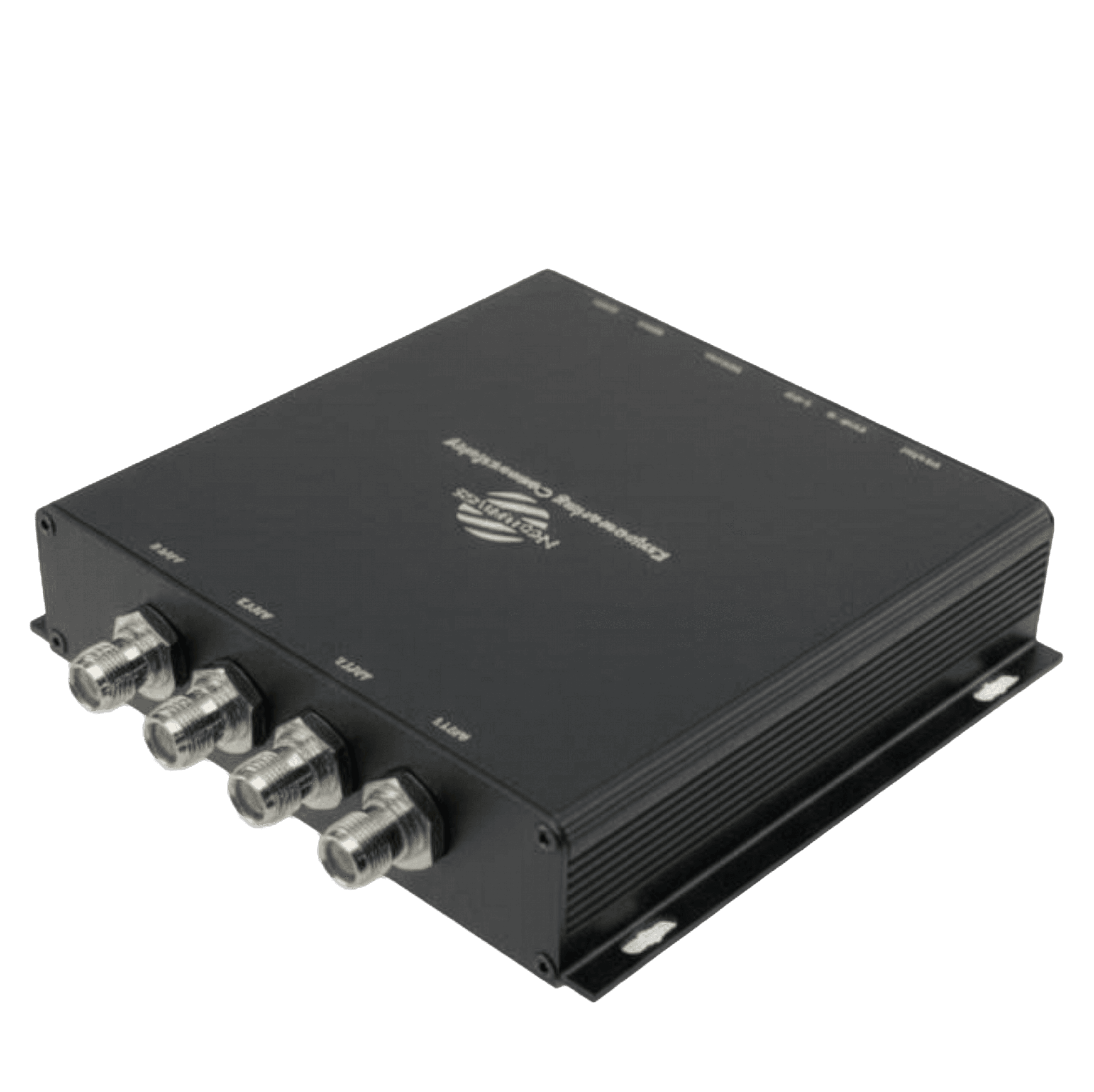
Nextwaves na-ewepụ ihe mgbochi a kpamkpam site n'inye ọkọlọtọ MQTT REST API ozugbo na ngwaọrụ ahụ. Ndị mmepe ngwanrọ gị nwere ike itinye ịgụ akara ozugbo n'ime azụ ERP ma ọ bụ WMS omenala gị n'ime ụbọchị kama ọnwa, na-agafe kpamkpam ụgwọ ikike middleware na-eme ugboro ugboro.
Ajụjụ A Na-ajụkarị
Gịnị bụ Threshold (LP)?
The Impinj Threshold (LP) is a low-profile, long passive strip antenna designed to lie flat under floor mats or across doorways. Broadcasting specifically across 902-928 MHz (FCC) bandwidths, it sweeps items passing physically across its horizontal axis.
Ego ole ka nhazi a na-efu na mbụ?
Costing around $100 per strip, real-world deployment requires wiring several Thresholds in parallel back to an active Impinj R700 or Speedway reader box, alongside all associated RF multiplexers and coaxial leads.
Gịnị mere m ga-eji họrọ Nextwaves kama?
Spreading multiple passive floor strips forces complex coaxial line balancing. Nextwaves utilizes an overhead active array strategy, replacing complex floor sensors with a single intelligent wide-beam ceiling node dropping direct to Ethernet.
Ngwaike ahụ ọ siri ike zuru ezu maka ụlọ nkwakọba ihe?
The highly specialized 914 x 150 x 15 mm form factor weighs only 0.68 kg. Intended to slide into chamfered floor tracks or under heavy matting, its exact IP rating is unspecified but demands protection from direct floor liquids.
Ọ na-akwado ọtụtụ ụdị netwọkụ?
There is no network gateway onboard the strip. All logical routing occurs exclusively by securing its SMA port via coaxial cable to an external active interrogator machine.
Ndị otu m nwere ike ịwụnye nke a n'ime ụlọ?
Floor mounting requires careful routing of the SMA coax under the threshold plate. IT members must ensure passing foot traffic does not crush the shielded RF line connecting back to the control closet.
Kedu ka njikwa dịpụrụ adịpụ si arụ ọrụ?
Regulated entirely by external power logic, its metric reads N/A (Passive). The capacity to register hundreds of passing runners or assets depends strictly on the Impinj reader running the array.
Ọ dị m mkpa ngwanrọ nwe naanị iji mee ya?
Software developers do not interface with the plate. The Impinj ItemSense middleware or native LLRP stream connecting to the central Speedway box handles all actual EPC aggregations.
Kedu akwụkwọ ikike na-abịa na ihe ọgụgụ?
As a strictly passive internal patch with protective coating, Impinj covers standard factory defects. Its lifespan is directly correlated to how well it is physically shielded against heavy footway or pallet compressions.
A na-ere antenna iche iche?
It generates a highly unique 'planar' field across the 902-928 MHz (FCC) block. Emitting approximately 5.0 dBi linearly, it is fiercely effective for assets specifically passing directly over the strip threshold line.