The Honeywell IA36A is a linear polarized 1.5kg passive plate. Consider how its external tuning requirements compare to Nextwaves intelligent edge arrays.
Nkọwa Nkà na Ụzụ
Nkọwa Hardware
Honeywell IA36A bụ ngwaọrụ RFID nke ụlọ ọrụ. Ọ na-arụ ọrụ n'ime oke 865-956 MHz ma na-akwado ụkpụrụ N/A (Passive Antenna Element), na-eme ka e jiri ya mee ihe n'ọtụtụ ngwa ngwa ngwa ngwa ụlọ ọrụ.
Site na IP rating nke IP67, ọ na-enye nchebe megide ọnọdụ gburugburu ebe obibi dị na ụlọ nkwakọba ihe ma ọ bụ ụlọ azụmaahịa. Onye na-agụ akwụkwọ na-eji N/A (Passive) maka arụmọrụ na-aga n'ihu, ebe ọnụego ịgụ ya kachasị elu na N/A (Passive).
Njikọ na Njikọ Netwọk
Na ntinye nke oge a, njikọ netwọk bụ ihe mgbochi kachasị mkpa. Ihe nlereanya a na-enye nhọrọ SMA Female / N-Type maka ịnyefe data azụ na sistemụ etiti.
Otú ọ dị, nnukwu ihe mgbochi na ngwaike Honeywell nketa bụ nnukwu ntụkwasị obi na SDKs nwe (dị ka LLRP) ma ọ bụ dị oké ọnụ ahịa nke atọ IoT middleware iji hazie data tagi raw ka ọ bụrụ ọgụgụ isi azụmahịa bara uru.
Nextwaves Alternative
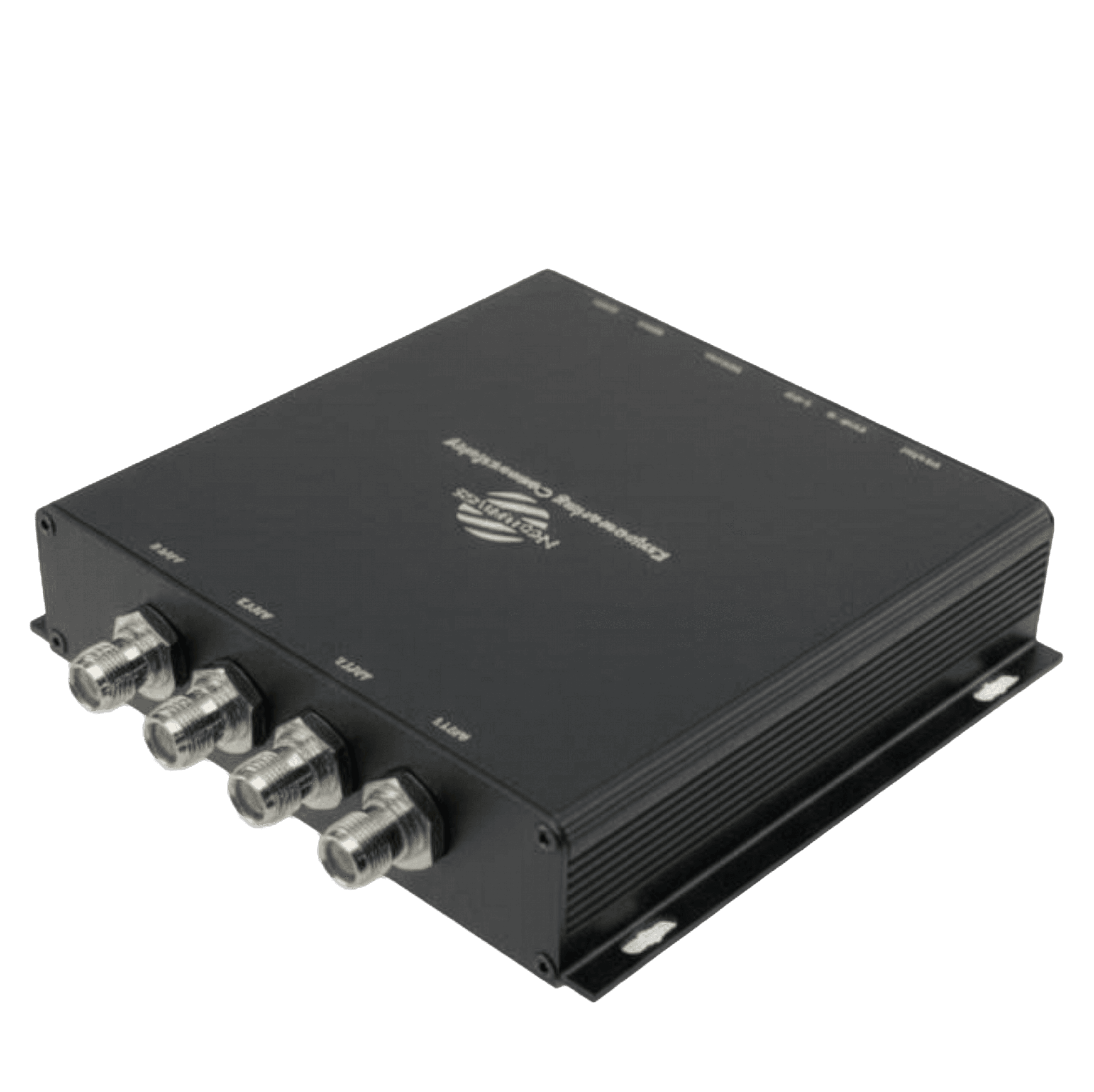
Ọ bụrụ na ndị otu injinia gị na-enyocha Honeywell IA36A, Nextwaves NR155 na-enye ihe owuwu igwe ojii dị elu. Usoro nketa na-akpata nnukwu mmefu isi obodo site na mkpọchi onye na-ere ahịa na sistemụ ngwanrọ nke onwe.
Nextwaves na-ewepụ ihe mgbochi a kpamkpam site n'inye ọkọlọtọ MQTT REST API ozugbo na ngwaọrụ ahụ. Ndị mmepe ngwanrọ gị nwere ike itinye ịgụ akara ozugbo n'ime azụ ERP ma ọ bụ WMS omenala gị n'ime ụbọchị kama ọnwa, na-agafe kpamkpam ụgwọ ikike middleware na-eme ugboro ugboro.
Ajụjụ A Na-ajụkarị
Gịnị bụ IA36A?
The Honeywell IA36A is a rectangular, high-gain linear polarized passive antenna. Designed universally for 865-956 MHz frequencies, it creates deep penetration fields for specialized, precise tag mapping when attached to core logic units.
Ego ole ka nhazi a na-efu na mbụ?
Listed around $200, the raw plate is only one cost component. The total integration mandates high-output reader blocks, extensive shielding mounts, and significant cabling overhead.
Gịnị mere m ga-eji họrọ Nextwaves kama?
Complex structural portal arrays built from multiple passive plates require deep technical maintenance. Nextwaves completely removes external coaxial routing by synthesizing the gateway processing directly into the antenna shell running on pure Cat6 drops.
Ngwaike ahụ ọ siri ike zuru ezu maka ụlọ nkwakọba ihe?
Sealed beautifully within an IP67 casing, the rectangular 450 x 260 x 30 mm frame checks in at 1.5 kg. It shrugs off factory mud, deep freeze condensation, and direct spray without internal decay.
Ọ na-akwado ọtụtụ ụdị netwọkụ?
Because it acts purely as a metal-patched conduit, connecting it relies on linking SMA or N-Type leads physically into an external master interrogator unit.
Ndị otu m nwere ike ịwụnye nke a n'ime ụlọ?
Installation necessitates aligning the linear beam precisely with the predicted vector of the incoming logistics tags. IT staff must actively tune the reader unit to offset the exact decibel signal lost through the coaxial connector cable.
Kedu ka njikwa dịpụrụ adịpụ si arụ ọrụ?
Having zero silicon state mechanisms means read events trigger at N/A (Passive). Density capture matches cleanly the performance of whatever main reader node the plate connects back to.
Ọ dị m mkpa ngwanrọ nwe naanị iji mee ya?
Direct API access to the antenna is architecturally impossible. System developers write interface commands entirely against the middleware SDK managing the external reader pulsing the lines.
Kedu akwụkwọ ikike na-abịa na ihe ọgụgụ?
Honeywell includes a standardized 1-year product warranty. Absent direct mechanical destruction by heavy machinery, the passive elements inside will continue to resonate for a lifetime.
A na-ere antenna iche iche?
Pushing out a sharply defined linear field across 865-956 MHz, it ignores scattering issues to penetrate incredibly deep into dense pallet stacks exactly where the linear polarization aligns.