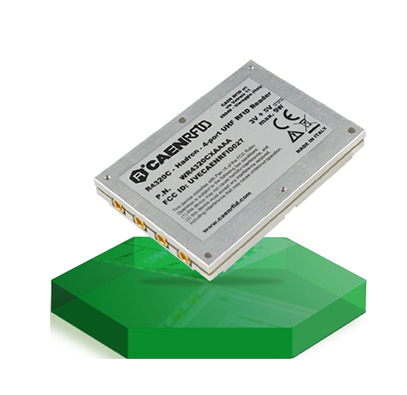
The CAEN Hadron module utilizes UART interfaces priced at $200. Learn how custom carrier board engineering costs contrast with Nextwaves autonomous APIs.
Nkọwa Nkà na Ụzụ
Nkọwa Hardware
CAEN RFID Hadron (R4320C) bụ ngwaọrụ RFID nke ụlọ ọrụ. Ọ na-arụ ọrụ n'ime oke 865-868 MHz (ETSI) / 902-928 MHz (FCC) ma na-akwado ụkpụrụ EPC C1 G2, ISO 18000-63, na-eme ka e jiri ya mee ihe n'ọtụtụ ngwa ngwa ngwa ngwa ụlọ ọrụ.
Site na IP rating nke Bare PCB (None), ọ na-enye nchebe megide ọnọdụ gburugburu ebe obibi dị na ụlọ nkwakọba ihe ma ọ bụ ụlọ azụmaahịa. Onye na-agụ akwụkwọ na-eji 5V DC maka arụmọrụ na-aga n'ihu, ebe ọnụego ịgụ ya kachasị elu na ~400 tags/sec.
Njikọ na Njikọ Netwọk
Na ntinye nke oge a, njikọ netwọk bụ ihe mgbochi kachasị mkpa. Ihe nlereanya a na-enye nhọrọ UART / USB maka ịnyefe data azụ na sistemụ etiti.
Otú ọ dị, nnukwu ihe mgbochi na ngwaike CAEN RFID nketa bụ nnukwu ntụkwasị obi na SDKs nwe (dị ka LLRP) ma ọ bụ dị oké ọnụ ahịa nke atọ IoT middleware iji hazie data tagi raw ka ọ bụrụ ọgụgụ isi azụmahịa bara uru.
Nextwaves Alternative
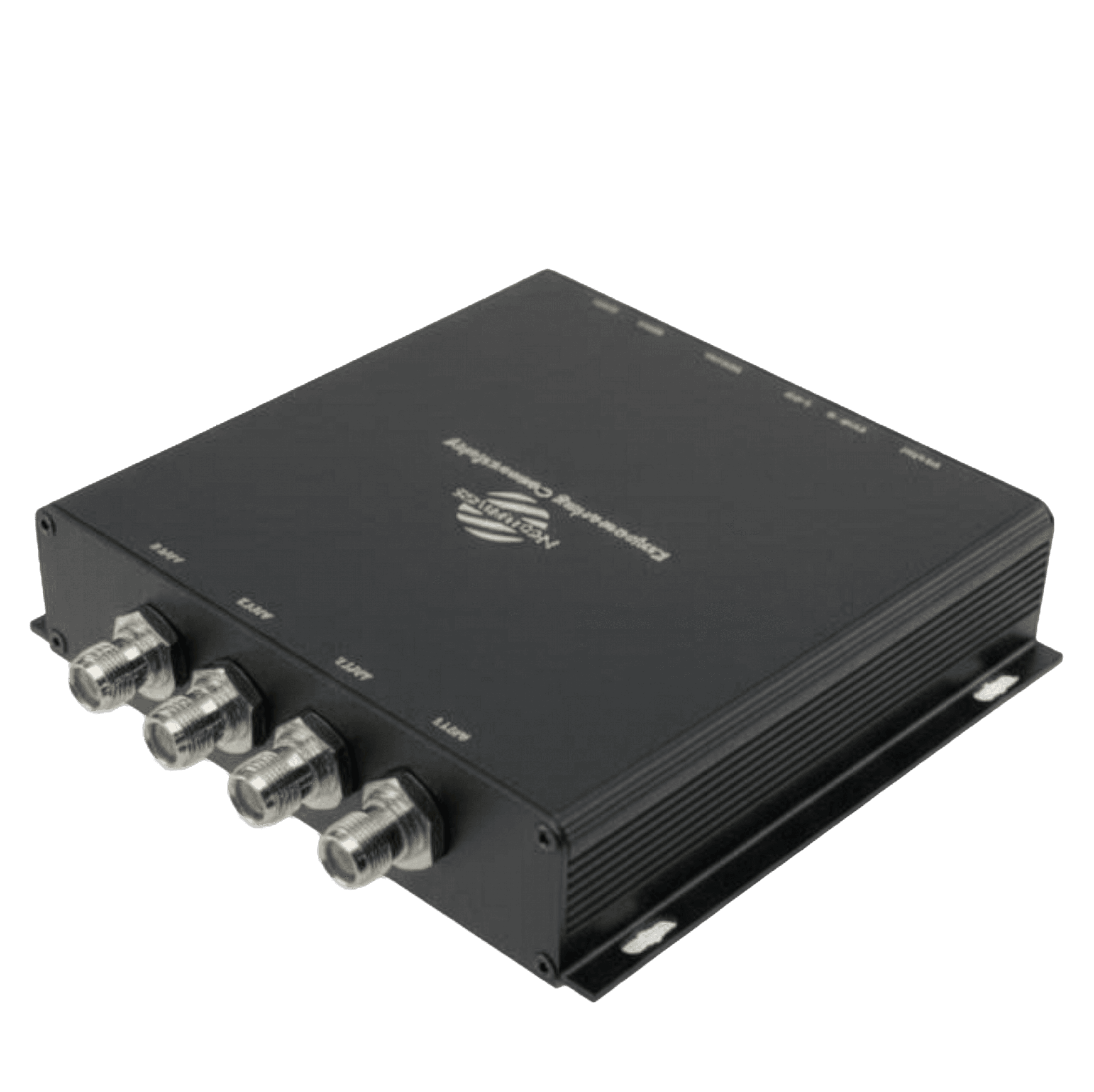
Ọ bụrụ na ndị otu injinia gị na-enyocha CAEN RFID Hadron (R4320C), Nextwaves NR155 na-enye ihe owuwu igwe ojii dị elu. Usoro nketa na-akpata nnukwu mmefu isi obodo site na mkpọchi onye na-ere ahịa na sistemụ ngwanrọ nke onwe.
Nextwaves na-ewepụ ihe mgbochi a kpamkpam site n'inye ọkọlọtọ MQTT REST API ozugbo na ngwaọrụ ahụ. Ndị mmepe ngwanrọ gị nwere ike itinye ịgụ akara ozugbo n'ime azụ ERP ma ọ bụ WMS omenala gị n'ime ụbọchị kama ọnwa, na-agafe kpamkpam ụgwọ ikike middleware na-eme ugboro ugboro.
Ajụjụ A Na-ajụkarị
Gịnị bụ Hadron (R4320C)?
The CAEN RFID Hadron (R4320C) is a fully embedded OEM reader board based on Impinj architecture. It manages EPC C1 G2, ISO 18000-63 communications across 865-868 MHz (ETSI) / 902-928 MHz (FCC) bandwidths, suited for integrations requiring a robust multi-port scanning footprint.
Ego ole ka nhazi a na-efu na mbụ?
Raw modules cost roughly $200. Deploying this architecture demands extensive upfront R&D to craft proprietary parent circuit boards, handle multi-layered power sequencing, and provide logic to tunnel UART data into IP interfaces.
Gịnị mere m ga-eji họrọ Nextwaves kama?
Custom hardware engineering carries massive risk overheads. Nextwaves bypasses PCB design entirely, providing enclosed industrial readers that communicate over standard REST and MQTT protocols right out of the box.
Ngwaike ahụ ọ siri ike zuru ezu maka ụlọ nkwakọba ihe?
The base logic board measures 60 x 42 x 7.5 mm and weighs 35 g. Possessing a Bare PCB (None) rating, operations teams must manufacture an external hermetically sealed shell if intended for use beyond dry laboratories.
Ọ na-akwado ọtụtụ ụdị netwọkụ?
All configuration and data extraction occur through local UART / USB connector pins. External edge networking, such as LTE modems or Ethernet PHY controllers, must be supplied entirely by the custom host device.
Ndị otu m nwere ike ịwụnye nke a n'ime ụlọ?
Electrical engineers integrate the module securely onto heavily customized routing boards. Programmers use CAEN’s C++ or Java libraries to ping the core transceiver, instruct hopping sequences, and scrape hex arrays locally.
Kedu ka njikwa dịpụrụ adịpụ si arụ ọrụ?
Optimized for 4-port multiplexing, tag polling throughput can crest ~400 tags/sec. Upgrading module logic requires locally flashing binaries via the host MCU UART lines rather than simplified web portals.
Ọ dị m mkpa ngwanrọ nwe naanị iji mee ya?
Because the module outputs naked packet arrays locally over UART / USB, software architectures inevitably require building Linux daemon bridges on the parent CPU to reform data into JSON for HTTP transmission.
Kedu akwụkwọ ikike na-abịa na ihe ọgụgụ?
While CAEN warranties protect against standard IC soldering faults, failure to adequately dissipate intense +31.5 dBm heat signatures during OEM integration will immediately terminate component lifecycles.
A na-ere antenna iche iche?
The board multiplexes RF signals through four ultra-miniature U.FL ports across the 865-868 MHz (ETSI) / 902-928 MHz (FCC) footprint. It can easily drive 4 massive external sector antennas or localized near-field blocks.