The ALR-9900+ is a legacy high-performance tracking device operating on 902-928 MHz. Compare its $1000 MSRP against modern, developer-friendly Nextwaves readers.
Nkọwa Nkà na Ụzụ
Nkọwa Hardware
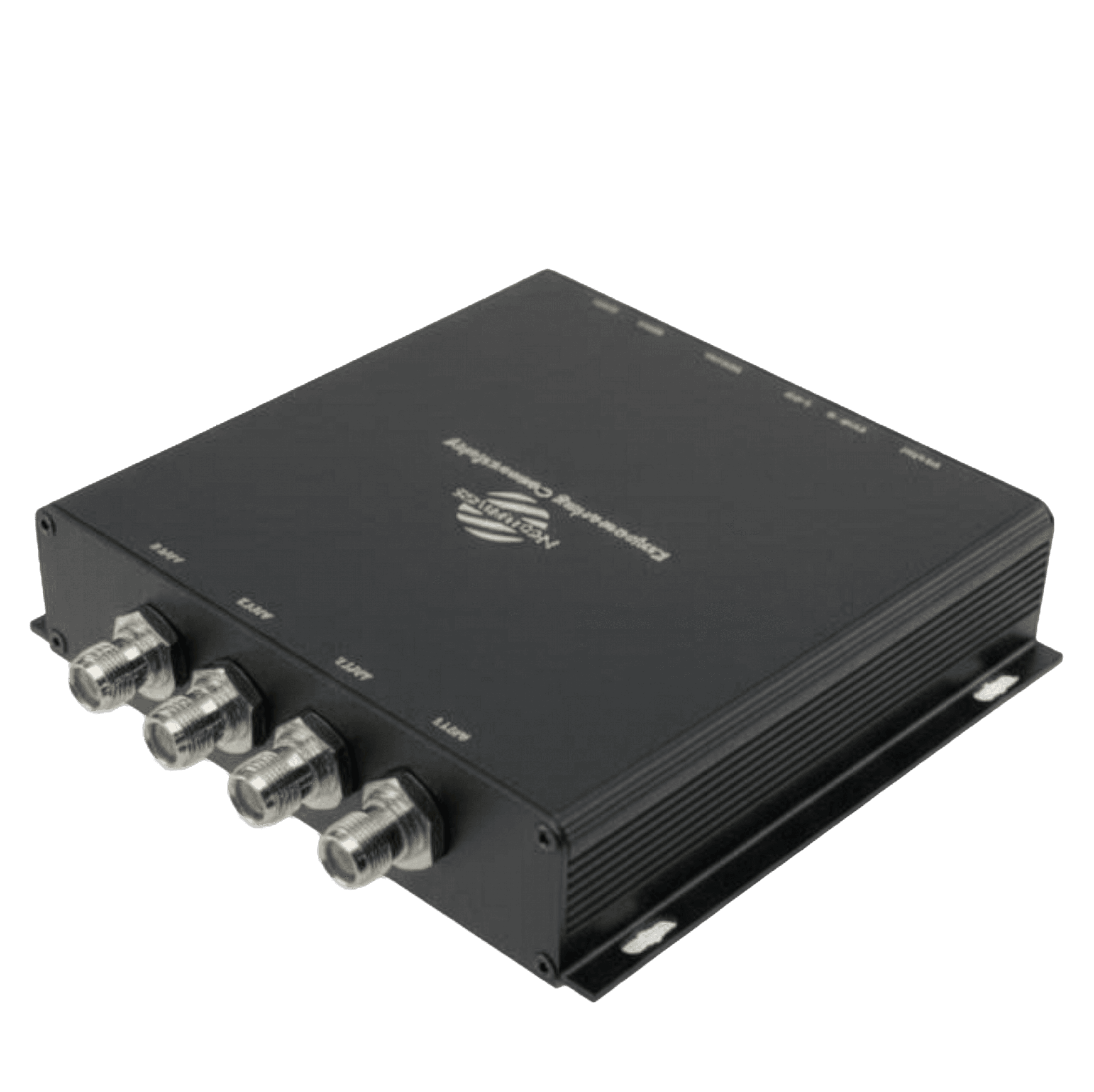
Alien Technology ALR-9900+ bụ ngwaọrụ RFID nke ụlọ ọrụ. Ọ na-arụ ọrụ n'ime oke 902-928 MHz ma na-akwado ụkpụrụ EPC Gen 2, ISO 18000-6C, na-eme ka e jiri ya mee ihe n'ọtụtụ ngwa ngwa ngwa ngwa ụlọ ọrụ.
Site na IP rating nke N/A, ọ na-enye nchebe megide ọnọdụ gburugburu ebe obibi dị na ụlọ nkwakọba ihe ma ọ bụ ụlọ azụmaahịa. Onye na-agụ akwụkwọ na-eji AC-DC 100-240 VAC maka arụmọrụ na-aga n'ihu, ebe ọnụego ịgụ ya kachasị elu na N/A.
Njikọ na Njikọ Netwọk
Na ntinye nke oge a, njikọ netwọk bụ ihe mgbochi kachasị mkpa. Ihe nlereanya a na-enye nhọrọ LAN TCP/IP, RS-232 maka ịnyefe data azụ na sistemụ etiti.
Otú ọ dị, nnukwu ihe mgbochi na ngwaike Alien Technology nketa bụ nnukwu ntụkwasị obi na SDKs nwe (dị ka LLRP) ma ọ bụ dị oké ọnụ ahịa nke atọ IoT middleware iji hazie data tagi raw ka ọ bụrụ ọgụgụ isi azụmahịa bara uru.
Nextwaves Alternative
Ọ bụrụ na ndị otu injinia gị na-enyocha Alien Technology ALR-9900+, Nextwaves NR155 na-enye ihe owuwu igwe ojii dị elu. Usoro nketa na-akpata nnukwu mmefu isi obodo site na mkpọchi onye na-ere ahịa na sistemụ ngwanrọ nke onwe.
Nextwaves na-ewepụ ihe mgbochi a kpamkpam site n'inye ọkọlọtọ MQTT REST API ozugbo na ngwaọrụ ahụ. Ndị mmepe ngwanrọ gị nwere ike itinye ịgụ akara ozugbo n'ime azụ ERP ma ọ bụ WMS omenala gị n'ime ụbọchị kama ọnwa, na-agafe kpamkpam ụgwọ ikike middleware na-eme ugboro ugboro.
Ajụjụ A Na-ajụkarị
Gịnị bụ ALR-9900+?
The Alien Technology ALR-9900+ is a stationary, multi-port RFID interrogator. Operating on the 902-928 MHz band, it supports the EPC Gen 2, ISO 18000-6C standard and utilizes Alien's specialized interference rejection electronics.
Ego ole ka nhazi a na-efu na mbụ?
The reader has historically been priced around $1000. Facilities must also account for the costs of 4 high-gain antennas, coaxial loss-preventing cables, and the structural setup of its AC-DC 100-240 VAC power delivery.
Gịnị mere m ga-eji họrọ Nextwaves kama?
Nextwaves provides embedded REST API and MQTT endpoints natively on the hardware. Software engineering teams can bypass complex EPC global LLRP structures and integrate RFID events directly into modern cloud systems natively.
Ngwaike ahụ ọ siri ike zuru ezu maka ụlọ nkwakọba ihe?
The device weighs approximately 0.95 kg and measures 20.3 x 20.3 x 4.8 cm. Due to the lack of an IP washdown rating (N/A), it is best deployed inside industrial cabinets or environmentally controlled zones.
Ọ na-akwado ọtụtụ ụdị netwọkụ?
Network integration physically routes through standard LAN TCP/IP, RS-232 connections. Direct serial polling is still supported for older, air-gapped logistics networks.
Ndị otu m nwere ike ịwụnye nke a n'ime ụlọ?
Physical mounting uses heavy-duty flanged screw mounts. To achieve optimal performance, RF engineers must adjust transmission power parameters and dense reader mode settings depending on interference.
Kedu ka njikwa dịpụrụ adịpụ si arụ ọrụ?
Remote management is generally conducted through the legacy Alien Reader Interface or third-party SNMP monitoring platforms.
Ọ dị m mkpa ngwanrọ nwe naanị iji mee ya?
Integrators traditionally route data from the LAN TCP/IP, RS-232 ports into desktop middleware to handle de-duplication and aggregation. This significantly adds to system maintenance resources.
Kedu akwụkwọ ikike na-abịa na ihe ọgụgụ?
The manufacturer typically provides a standard one-year hardware warranty. Production deployments frequently require extended replacement SLAs to protect the investment in legacy infrastructure.
A na-ere antenna iche iche?
External antennas are strictly mandatory. Cable length and antenna type must be carefully mathematically tuned across the 902-928 MHz frequency band to maximize power transmission without exceeding regional regulations.