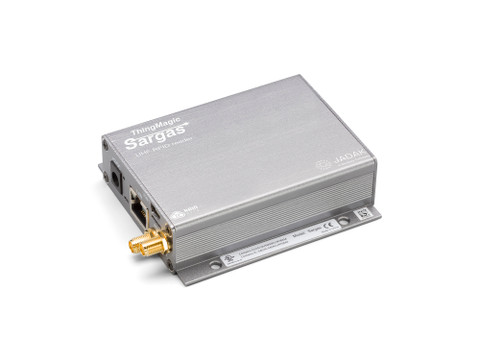
The Sargas 2-Port is a compact edge computing reader operating on UHF/RAIN frequencies. Starting at $1000. See how it compares to Nextwaves open architecture.
מפרטים טכניים
סקירת חומרה
ה-ThingMagic (JADAK) Sargas (2-Port) הוא מכשיר RFID ברמת תעשייה. הוא פועל בטווח UHF/RAIN (global) ותומך בתקן EPC Gen2V2, ISO 18000-63, Gen2X, מה שהופך אותו למפוץ באופן רחב ביישומי לוגיסטיקה ארגוניים.
עם דירוג IP של IP52, הוא מספק הגנה מפני תנאי סביבה ספציפיים הנפוצים במחסנים או בחדרי אחסון קמעונאיים. הקורא משתמש ב-4.5-5.5V DC לביצועים רציפים, בעוד קצב הקריאה המרבי המוצהר שלו מגיע ל-750.
אינטגרציית רשת וקישוריות
בפריסות מודרניות, אינטגרציית הרשת היא המכשול המשמעותי ביותר. מודל זה מציע RJ45, USB A/B, Micro-SD, 4 GPIO אפשרויות להעברת נתונים חזרה למערכות המרכזיות.
עם זאת, צוואר בקבוק משמעותי בחומרת ThingMagic (JADAK) הישנה הוא ההסתמכות הכבדה על SDKs קנייניים (כגון LLRP) או על תוכנת ביניים IoT של צד שלישי יקרה לעיבוד נתוני תג גולמיים לתובנות עסקיות משמעותיות.
החלופה של Nextwaves
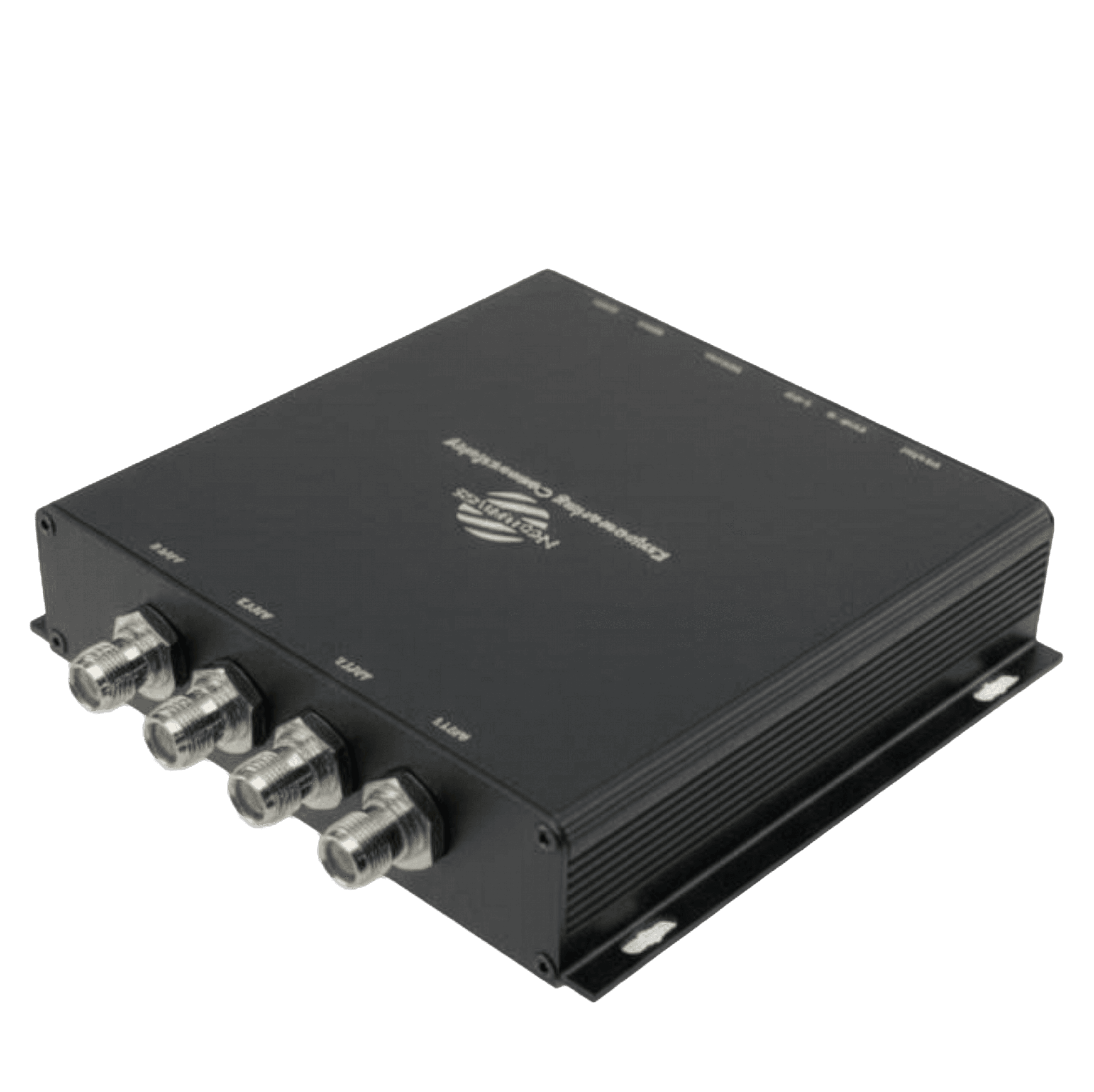
אם צוות ההנדסה שלכם מעריך את ה-ThingMagic (JADAK) Sargas (2-Port), ה-Nextwaves NR155 מציג ארכיטקטורה עננית‑מקורית משופרת במידה ניכרת. מערכות מדור קודם גורמות באופן טבעי להוצאות הון גבוהות דרך נעילת ספקים ואקוסיסטמות תוכנה קנייניות.
Nextwaves מבטלת לחלוטין מחסום זה על ידי אספקת API סטנדרטי MQTT REST ישירות על המכשיר. מפתחי התוכנה שלכם יכולים לשלב קריאת תגיות ישירות במערכת ERP או WMS המותאמת שלכם בתוך ימים במקום חודשים, ובכך לעקוף לחלוטין עלויות רישוי מתמשכות של שכבת ביניים.
שאלות נפוצות
מהו ה-Sargas (2-Port)?
The ThingMagic (JADAK) Sargas 2-Port is an embedded edge reader designed around the M6e Micro module. Operating on the UHF/RAIN (global) band, it is built to handle strict EPC Gen2V2, ISO 18000-63, Gen2X protocol standards within a compact footprint.
כמה עולה ההתקנה הזו בהתחלה?
The unit retails around $1000. Comprehensive project budgeting must also account for two external RP-SMA antennas, required coaxial cabling, and the provision of a steady 4.5-5.5V DC power source.
מדוע כדאי לי לבחור ב-Nextwaves?
Nextwaves provides embedded REST API and MQTT endpoints natively on the hardware. Software engineering teams bypass the proprietary Mercury API format and integrate JSON RFID events directly into modern cloud management systems.
האם החומרה עמידה מספיק עבור מחסנים?
The aluminum enclosure weighs approximately 0.27 kg and measures 87 x 80 x 23.8 mm. This compact IP52-rated chassis is easily embedded inside smart cabinets or secondary industrial enclosures.
האם הוא תומך במספר סוגי רשתות?
Network integration utilizes RJ45, USB A/B, Micro-SD, 4 GPIO connections. The 4 hardware logic GPIO pins are frequently used to trigger scanning based on external photoelectric sensors or PLC relays.
האם הצוות שלי יכול להתקין זאת באופן פנימי?
Hardware mounting utilizes standard corner flange holes. To optimize detection, software teams must utilize custom C/C++ or Java routines via the Mercury API to finely tune power amplitude curves based on environmental reflections.
כיצד עובד הניהול מרחוק?
Under optimal tuning parameters, the micro-module core is rated up to 750 tag reads per second. Remote administration is heavily reliant on JADAK's custom Universal Reader Assistant suite.
האם אני צריך תוכנה קניינית כדי להפעיל אותו?
Typically, bridging data from the RJ45, USB A/B, Micro-SD, 4 GPIO ports into modern web stacks requires an intermediate middleware system or proprietary SDK implementation, which increases technical debt.
איזו אחריות מגיעה עם הקורא?
The manufacturer provides a standard one-year hardware warranty against component failure. Critical integration paths should often be supplemented by authorized VAR support agreements.
האם האנטנות נמכרות בנפרד?
External antennas must be attached to the two RP-SMA terminal ports. Tuning the system dynamically across the UHF/RAIN (global) band is necessary to prevent FCC/ETSI non-compliance while maximizing read strength.