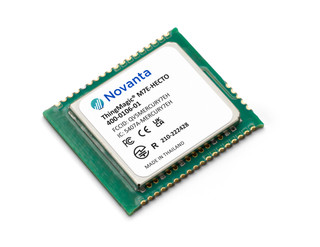
The ThingMagic M7e-Hecto is a $150 OEM module powered by the Impinj E510 IC. Compare its bare PCB integration timeline against Nextwaves turnkey hardware.
מפרטים טכניים
סקירת חומרה
ה-ThingMagic (JADAK) M7e-Hecto הוא מכשיר RFID ברמת תעשייה. הוא פועל בטווח Global (860-960 MHz) ותומך בתקן EPC Gen2v2, ISO 18000-63, מה שהופך אותו למפוץ באופן רחב ביישומי לוגיסטיקה ארגוניים.
עם דירוג IP של Bare PCB (None), הוא מספק הגנה מפני תנאי סביבה ספציפיים הנפוצים במחסנים או בחדרי אחסון קמעונאיים. הקורא משתמש ב-3.3V to 5.25V DC לביצועים רציפים, בעוד קצב הקריאה המרבי המוצהר שלו מגיע ל-up to ~300 tags/sec.
אינטגרציית רשת וקישוריות
בפריסות מודרניות, אינטגרציית הרשת היא המכשול המשמעותי ביותר. מודל זה מציע UART Serial / USB אפשרויות להעברת נתונים חזרה למערכות המרכזיות.
עם זאת, צוואר בקבוק משמעותי בחומרת ThingMagic (JADAK) הישנה הוא ההסתמכות הכבדה על SDKs קנייניים (כגון LLRP) או על תוכנת ביניים IoT של צד שלישי יקרה לעיבוד נתוני תג גולמיים לתובנות עסקיות משמעותיות.
החלופה של Nextwaves
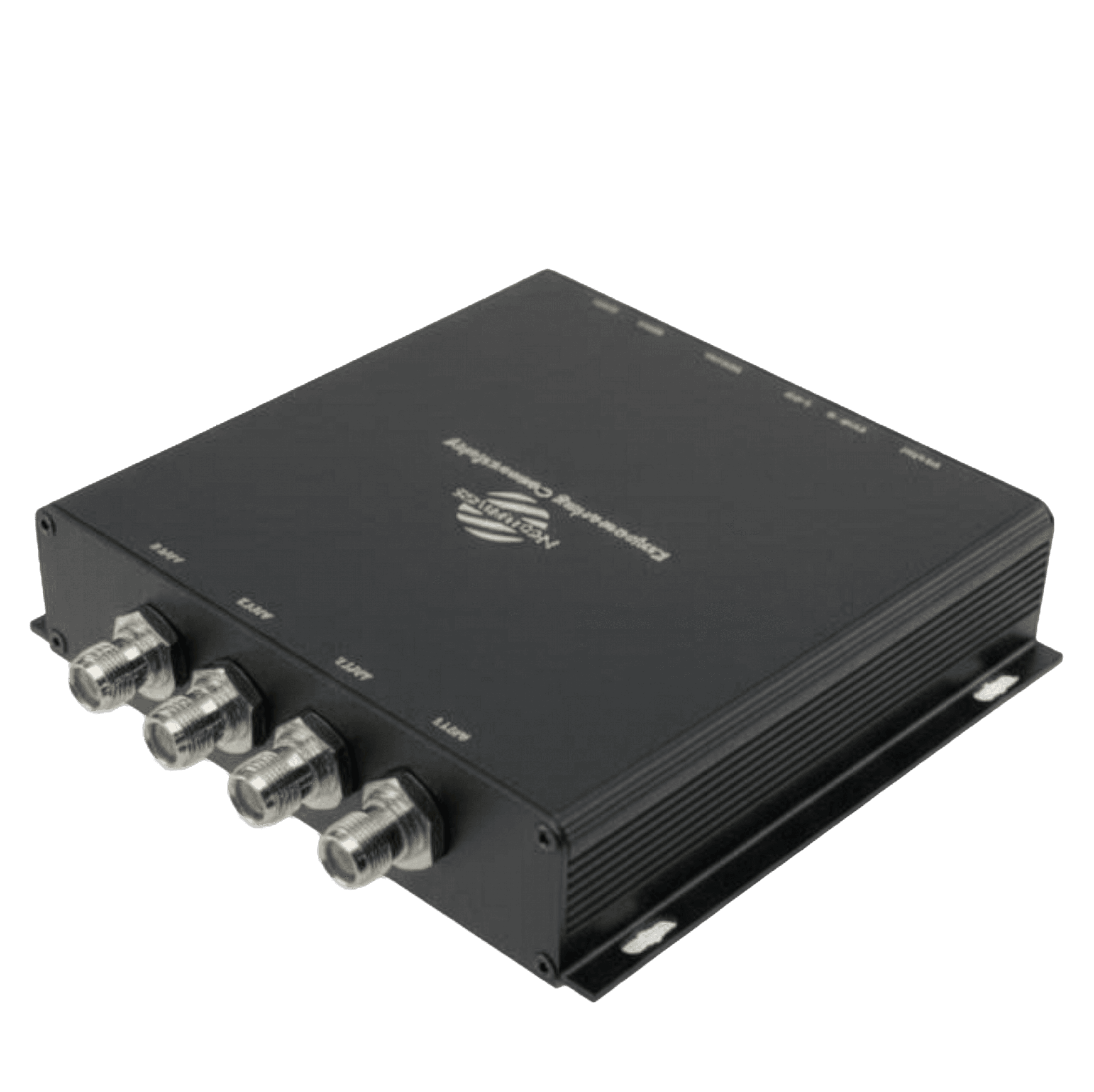
אם צוות ההנדסה שלכם מעריך את ה-ThingMagic (JADAK) M7e-Hecto, ה-Nextwaves NR155 מציג ארכיטקטורה עננית‑מקורית משופרת במידה ניכרת. מערכות מדור קודם גורמות באופן טבעי להוצאות הון גבוהות דרך נעילת ספקים ואקוסיסטמות תוכנה קנייניות.
Nextwaves מבטלת לחלוטין מחסום זה על ידי אספקת API סטנדרטי MQTT REST ישירות על המכשיר. מפתחי התוכנה שלכם יכולים לשלב קריאת תגיות ישירות במערכת ERP או WMS המותאמת שלכם בתוך ימים במקום חודשים, ובכך לעקוף לחלוטין עלויות רישוי מתמשכות של שכבת ביניים.
שאלות נפוצות
מהו ה-M7e-Hecto?
The ThingMagic (JADAK) M7e-Hecto is an embeddable UHF module integrating the mid-tier Impinj E510 RFIC. Operating across Global (860-960 MHz) channels, it maps EPC Gen2v2, ISO 18000-63 identifiers into a serialized output standard for OEM engineering teams.
כמה עולה ההתקנה הזו בהתחלה?
Individual modules price out near $150. Developing functional industrial scanners requires massive hardware expenditures encompassing custom motherboards, multi-port antenna selectors, integrated cooling fins, and specialized logic controllers.
מדוע כדאי לי לבחור ב-Nextwaves?
The true cost of modular integration lies strictly in the software hours required. Nextwaves completely eliminates low-level C++ serial logic programming by offering readers with HTTP webhooks enabled inherently out-of-the-box.
האם החומרה עמידה מספיק עבור מחסנים?
Operating as an unprotected microcircuit measuring 46 x 26 x 4 mm and weighing 3 g, the unit requires the OEM to provide an IP-rated casing to bypass its Bare PCB (None) reality.
האם הוא תומך במספר סוגי רשתות?
Communications are bottlenecked to localized UART Serial / USB edge pins. Implementing WPA3 Wi-Fi or TLS 1.2 Ethernet security remains the direct responsibility of the OEM's master microcontroller logic.
האם הצוות שלי יכול להתקין זאת באופן פנימי?
Physical integration requires wave soldering into a host PCB. The commanding processor must run the ThingMagic Mercury API dynamically to handle asynchronous interruptions and manage buffer logic on the interrogator.
כיצד עובד הניהול מרחוק?
The E510 IC is capable of reading up to ~300 tags/sec in clean environments. True throughput is dictated by the ability of the host microprocessor to clear the small serial buffers before they overflow.
האם אני צריך תוכנה קניינית כדי להפעיל אותו?
Because the M7e-Hecto exports raw hex arrays locally via UART, developers must wrap these strings into TCP/IP or HTTP packets using auxiliary network coprocessors to reach backend asset management environments securely.
איזו אחריות מגיעה עם הקורא?
Standard ThingMagic defective parts warranties apply, universally voided if ESD protocols or thermal paste guidelines are ignored heavily during the customized OEM manufacturing process.
האם האנטנות נמכרות בנפרד?
Its dual MMCX antenna edge connections support wide Global (860-960 MHz) profiles. Delivering up to +27 dBm output power, it creates a robust detection field requiring cautious electromagnetic interference testing against the host device.